Health & Fitness
New Approaches in Health Care
How does the mind affect the body - and what does that have to do with health and prayer?

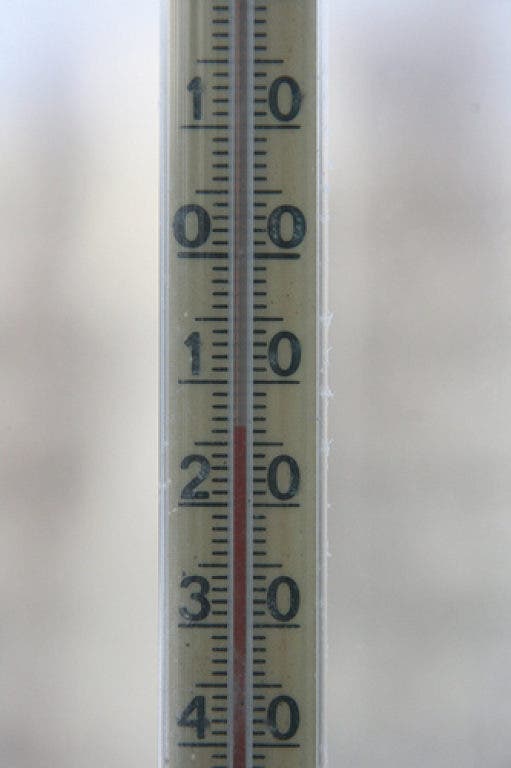
In a professional meeting a while ago, I listened to a consultant talk about the effects of fear on the body. He asked each of us to hold a thermometer between the thumb and forefinger for a few minutes and then read their thermometer’s indicated temperature. After this initial reading, he guided us to think about something very stressful and fearful while holding the thermometer as before. After a few moments, he asked us to read the thermometer again. I found that my temperature reading had dropped 4 degrees!
The consultant explained that the body responds to situations where fear or tension is created by blood gathering around the heart in order to have the strength and energy to “push back” against the object creating that fear or stress. That leaves less blood circulating through the extremities of the body – so those areas become colder. It was a great exercise to see how one’s mind affects the functions of the body.
This demonstration would be referred to today as an example of mind-body connection. The mind-body connection has led to developing alternative therapies, which are rapidly being considered by the public as effective ways to maintain or improve health. Researchers studying these trends in health care are using terms such as alternative, integrative, or CAM (complementary and alternative medicine). Whatever the name, there is a growing interest on the part of the public to find effective ways to maintain their health.
Find out what's happening in Laguna Beachfor free with the latest updates from Patch.
Spirituality and prayer are also included among alternative approaches.
Professor David G. Myers shared data of just how important this topic has become to the public in “Spirituality and Faith”:
Find out what's happening in Laguna Beachfor free with the latest updates from Patch.
Of America’s 135 medical schools, 101 offered spirituality and health courses in 2005, up from 5 in 1992.
Since 1995, Harvard Medical School has annually attracted 1000 to 2000 health professionals to its Spirituality and Healing in Medicine conferences.
The National Prayer in Medicine Survey reports that:
Across multiple studies and polls, most Americans report that they believe in a higher power (90% - 96%). Therefore it is not surprising that the rates of prayer are also high among Americans. The World Values Survey data from 2006 report that 84% of Americans pray and other surveys report that out of those who pray, up to 81% pray a few times a month or more frequently. Among those who pray, the belief that prayers are answered is also high. The 2007 Pew Forum study reported that 80% of respondents reported that they had received answers to prayer and a second study by Magaletta reported that 44% of subjects described personal healing through prayer at least once. Clearly, spiritual beliefs and prayer are important among Americans.
For me personally, I have found turning to prayer a great help in resolving family, health, and professional needs for the past couple of decades.
These trends in health care are truly fascinating and the researchers who are reporting this expanding field are providing the public and professionals alike interesting information from which the public can make informed choices.
Don Ingwerson is the media and legislative advocate for Christian Science in Southern California