Community Corner
Sea Lions Suffering From Domoic Acid Poisoning, Laguna Beach Rescue Says
"In large concentrations, (the algae) produces neurotoxins that can destroy the brain," Pacific Marine Mammal Center said.


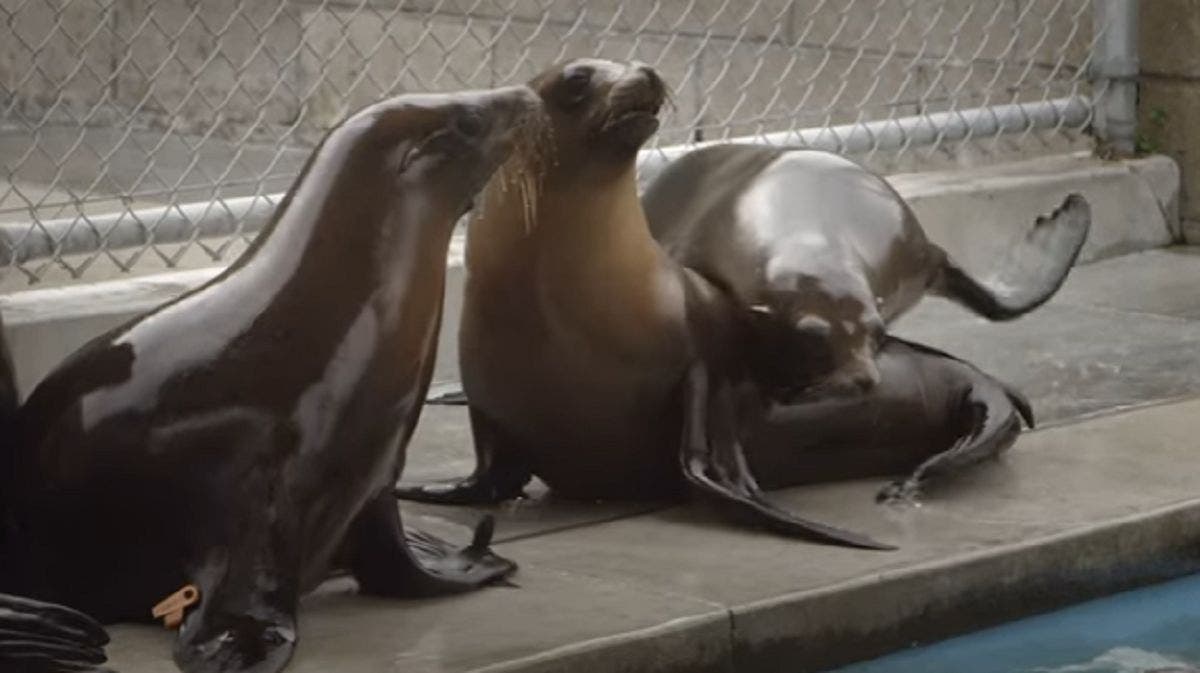
LAGUNA BEACH, CA — The Pacific Marine Mammal Center, among other marine rescue centers in Orange and Los Angeles counties, are known for saving wayward seals and sea lions from injury and starvation along the Pacific coastline. Now, they are battling something much more severe.
Marine mammal rescues are reporting increasing instances of sea lions showing signs of domoic acid poisoning, caused by a neurological toxin resulting from an ocean algae bloom, it was reported Tuesday.
The symptoms include lethargy and unawareness, according to the Orange County Register, which attributed its report of increased poisonings to an official at the National Oceanic and Atmospheric Administration.
Find out what's happening in Laguna Beachfor free with the latest updates from Patch.
Officials told the Register that the sea lions' plight could signal that the marine environment remains out of balance. A lack of food sources available to lactating mothers close to Channel Islands sea lion breeding grounds led to mass strandings starting in 2013.
Keith Matassa, executive director of the Pacific Marine Mammal Center of Laguna Beach, said the health of the sea lions helps inform scientists about the condition of the marine environment.
Find out what's happening in Laguna Beachfor free with the latest updates from Patch.
"They are the canaries of the marine environment," he told the Register. "In past years, the sea lions told us there was no food; now they're telling us there may be another domoic acid bloom."
The algae blooms happen each spring, Wendy Leeds, animal care coordinator at PMMC, told the newspaper.
"Water run off with fertilizers creates a bigger bloom and surface fish eat the algae," Leeds said. "In large concentrations, (the algae) produces neurotoxins that can destroy the brain."
The sea lions are exposed to the toxins when they eat surface fish such as sardines and anchovies that consume the algae. Pregnant females are especially vulnerable because they are eating as many fish as they can to sustain their pregnancies, Leeds said.
At the Marine Mammal Care Center of Los Angeles, veterinarian Dr. Lauren Palmer has taken in 15 adult sea lions in the last 10 days showing clinical signs of domoic acid, the register reported.
"It is unusual to see this many in a 10-day period," Palmer said, according to the newspaper.
There is no cure for domoic acid poisoning. In some cases, sea lions whose brains have not been severely damaged are released if they show signs that they can be successful hunters, Leeds said.
City News Service contributed to this story.
Youtube screenshot photo
Get more local news delivered straight to your inbox. Sign up for free Patch newsletters and alerts.