Health & Fitness
Costliest Medicare Medications Rising, UCSD Researchers Find
Researchers said that unless costs are addressed, the 10 most expensive drugs are on pace to reach $40 billion annually by the end of 2020.
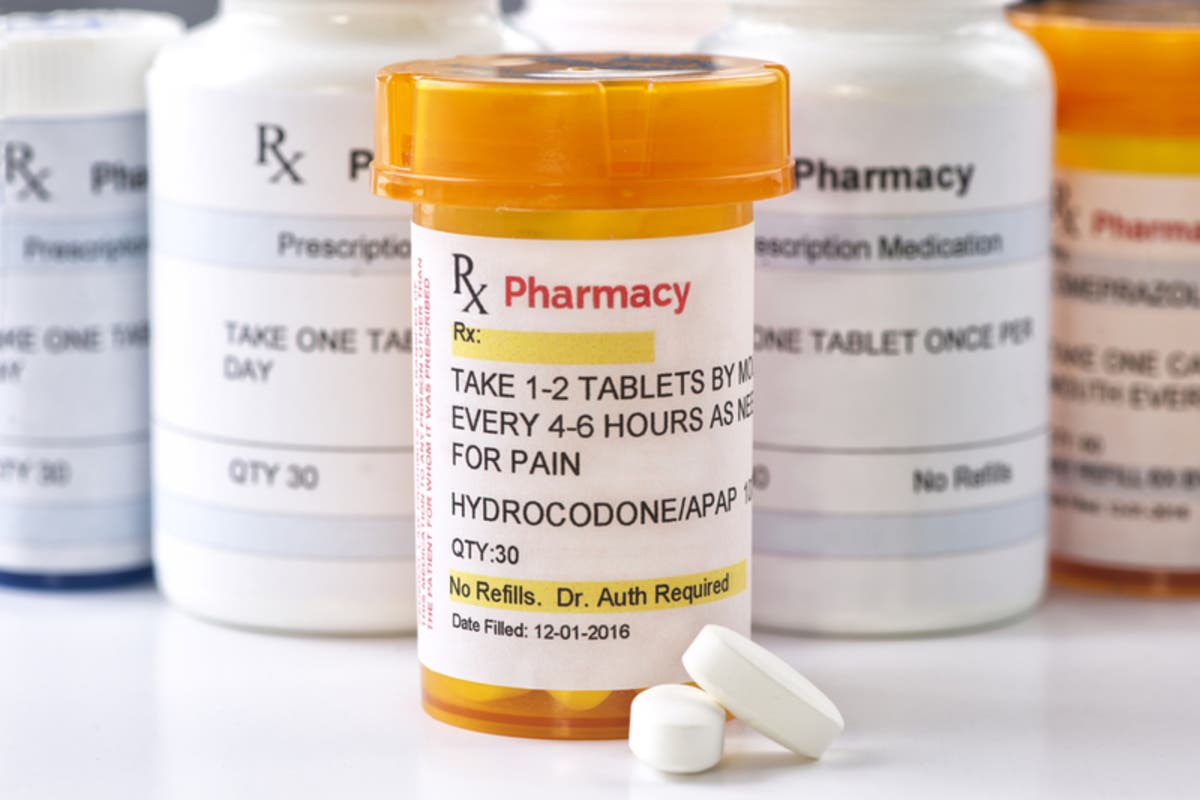
LA JOLLA, CA – The cost of the 10 medications that Medicare Part D spends the most money on annually rose by nearly one-third between 2011 and 2015, even as the number of persons using these drugs dropped by the same amount, according to a study released Thursday by UC San Diego researchers.
Medicare Part D is the federal government's primary prescription drug benefit for older citizens.
The amount paid for the 10 medications with the largest spending increased from an inflation-adjusted $21.5 billion in 2011 to $28.4 billion in 2015, a 32 percent jump. In that same time period, the number of patients treated with at least one of the medications declined 32 percent, from slightly more than 12.9 million patients in 2011 to 8.8 million in 2015.
Find out what's happening in La Jollafor free with the latest updates from Patch.
The trend could become more costly considering a rapidly aging U.S. population, said professor Jan Hirsch, clinical pharmacy chair with UCSD's Skaggs School of Pharmacy. The number of Medicare beneficiaries is expected to grow from 59 million in 2017 to 81 million in 2030.
"One in every six dollars in Medicare these days is used on medications," Hirsch said. "Spending on expensive, specialty medications is likely to grow with more approved drugs and a larger population that requires them. Since Medicare Part D is funded by enrollee paid premiums in addition to congressional appropriations from general revenue, Part D enrollees may expect to face higher premiums on top of increasing co-payments or co-insurance payments."
Find out what's happening in La Jollafor free with the latest updates from Patch.
Drugs on the most-expensive list include Crestor, used to treat high cholesterol and related conditions; Nexium, for excessive stomach acid; and Humira, for arthritis.
The most expensive drug was Harvoni, which is used to treat hepatitis C and cost more than $90,000 for the full treatment per user in 2015, according to UCSD.
Researchers projected that unless rising medication costs are addressed, the 10 most expensive drugs are on pace to reach $40 billion annually by the end of 2020.
"At the end of the day, fewer patients are receiving the medications that the federal government is spending the most money on and patients are spending more of their own money on these medications," UCSD associate professor Jonathan Watanabe said. "For those without the benefit of subsidies, the average out-of-pocket cost for one of these 10 medications increased from $375 in 2011 to $1,366 in 2015. That works out to an average 66 percent increase per year and a 264 percent increase overall."
By City News Service / Image via Shutterstock