Politics & Government
Carpool Lanes In Riverside County May Open To All Vehicles, Sometimes
The proposed legislation would convert high-occupancy vehicle lanes countywide to part-time status.

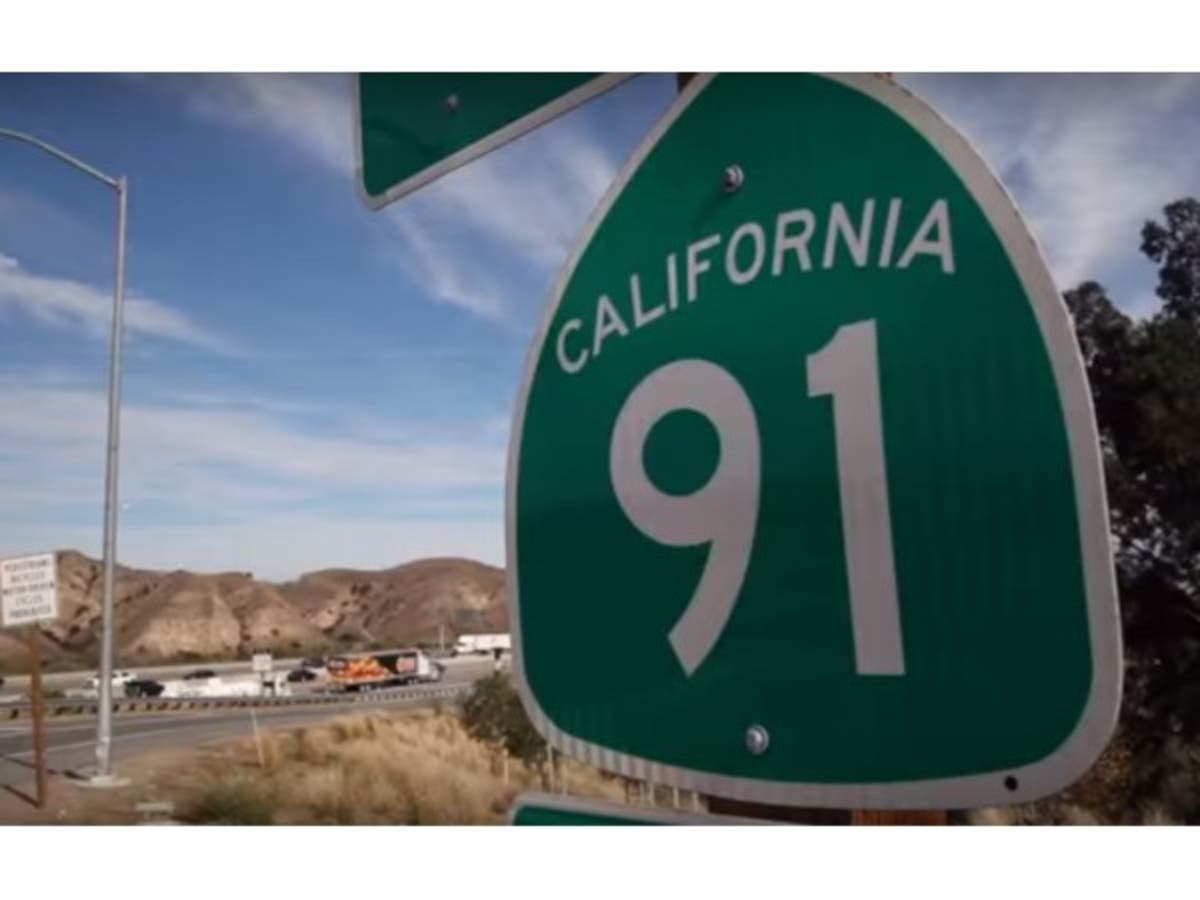
CORONA, CA — A Riverside County lawmaker's bill seeking to make carpool lanes in the county available to all commuters during off-peak hours cleared another legislative hurdle Friday. Assemblywoman Sabrina Cervantes' Assembly Bill 91 received unanimous approval from the Senate Appropriations Committee. The bill is now bound for the floor of the Senate.
The proposed legislation would convert high-occupancy vehicle lanes countywide to part-time status, meaning that the lanes would be available to motorists driving solo anytime other than during peak travel periods, which generally fall between 6 a.m. and 10 a.m., and 3 p.m. and 7 p.m. weekdays.
Cervantes, D-Corona, described carpool lanes as "an important tool to reduce traffic and making our air cleaner."
Find out what's happening in Lake Elsinore-Wildomarfor free with the latest updates from Patch.
"Enforcing them after rush hour, which often leaves carpool lanes empty during late-night traffic, is inefficient," she said.
For the most part, carpool lane access on the Riverside (91) Freeway and the Moreno Valley (60) Freeway is enforced 24 hours a day, so that only vehicles occupied by two or more people are permitted to use the lanes, though a section of the 60 between the Interstate 215 interchange and Redlands Boulevard does allow off-peak usage on weekdays.
Find out what's happening in Lake Elsinore-Wildomarfor free with the latest updates from Patch.
AB 91 would replicate the part-time HOV regulations in place in Northern California, according to an Assembly Transportation Committee analysis of the bill.
The legislation would not affect toll lanes, which would remain available only to motorists who have paid to use them.
AB 91 would provide that if Caltrans, the Riverside County Transportation Commission, or the Southern California Association of Governments determines that federal funding for infrastructure projects or freeway maintenance is jeopardized by the change, the HOV lanes could go back to 24-hour status.
Additionally, findings by Caltrans that the conversion to part-time status has had an "adverse impact on safety, traffic conditions or the environment" would serve as justification for the agency to revert any carpool lane to 24-hour operation after May 1, 2019, according to the bill.
Changing signage along the freeways to alert motorists to carpool lane availability would cost about $400,000, the Assembly Transportation Committee estimated.
If approved and signed into law by the governor, the bill would take effect on July 1, 2018. It was unanimously approved by the Assembly in May.
— By City News Service / Image via Riverside County Transportation Commission