Community Corner
UCR Study Finds Link Between Malaria-Spreading Mosquitoes, Carbon Dioxide
Researchers believe the findings could help design new types of mosquito control by helping define which repellent compounds to use.


By City News Service:
The amount of carbon dioxide in a room helps determine how likely malaria-spreading female mosquitoes are to land on human beings, according to a study conducted by a team of UC Riverside entomologists.
It’s known that mosquitoes react to human odor, even when the odor is on inanimate objects such as clothes, furniture and bedding. But the UCR study revealed that mosquitoes’ relatively weak response to human odor alone is dramatically increased by the presence of carbon dioxide, which indicates a human is in the vicinity.
Find out what's happening in Lake Elsinore-Wildomarfor free with the latest updates from Patch.
“Responding strongly to human skin odor alone once inside a dwelling where human odor is (common) is a highly inefficient means for the mosquito of locating a feeding site,” said UCR entomology professor Ring Carde, whose laboratory conducted the research published online this month in the Journal of Chemical Ecology.
“We already know that mosquitoes will readily fly upwind toward human skin odor,” Carde said. “But landing, the final stage of host location which typically takes place indoors, does not occur unless a fluctuating concentration of carbon dioxide indicates that a human host is present.”
Find out what's happening in Lake Elsinore-Wildomarfor free with the latest updates from Patch.
According to Carde, mosquitoes, once indoors, conserve their energy by ignoring the overall human odor left behind in an unoccupied room.
When mosquitoes detect carbon dioxide, indicating a human is nearby, their “sit and wait” strategy ends and they fly into action, he said.
Researchers believe the findings could help design new types of mosquito control by helping define which repellent compounds can be used to throw off mosquitoes’ ability to detect carbon dioxide.
“It also would be useful to see if mosquitoes’ response to skin odor is seriously affected by carbon dioxide in outdoor situations and how these interactions play out in human dwellings,” Carde said.
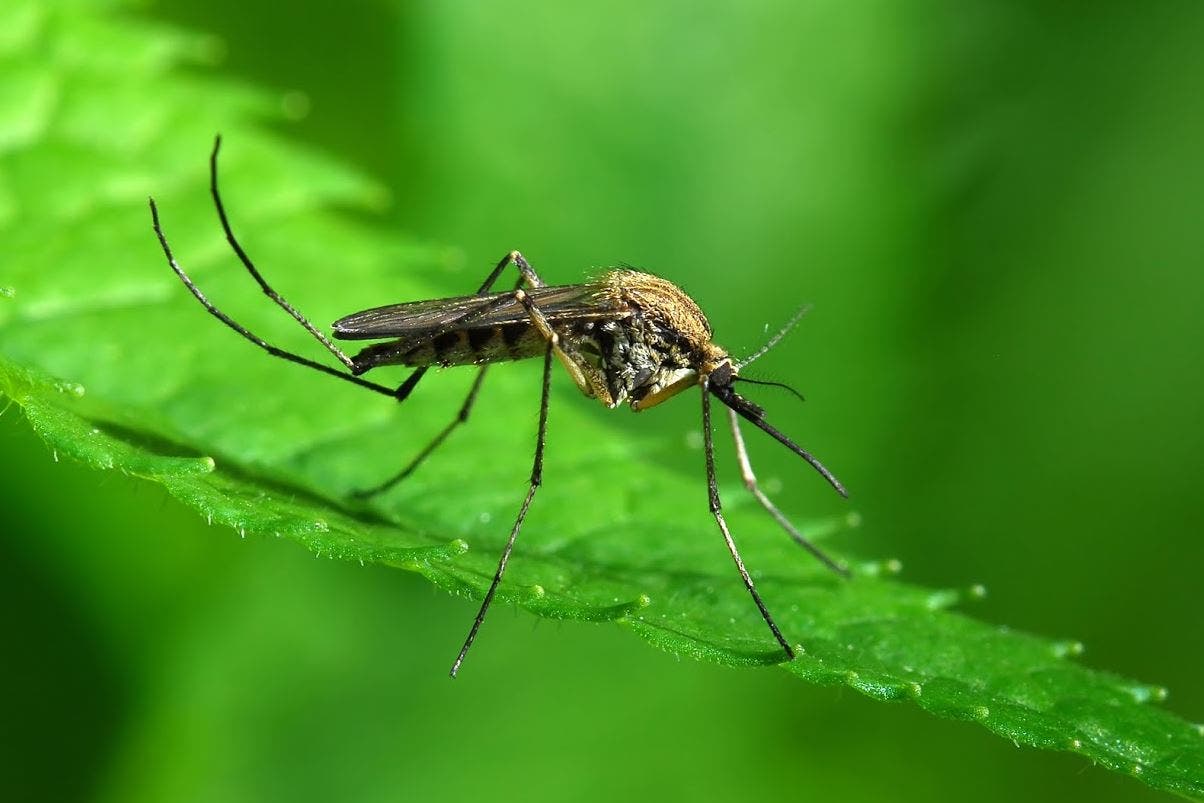
(Image via Shutterstock)
GET PATCHED IN! SIGN UP FOR YOUR LAKE ELSINORE-WILDOMAR PATCH NEWSLETTER AND BREAKING NEWS ALERTS HERE:
Get more local news delivered straight to your inbox. Sign up for free Patch newsletters and alerts.