Politics & Government
Helix Water Decides New Meters Not Smart for Now
Budget constraints force board members to reject smart meter technology, which would come at a price of $1.38 million.
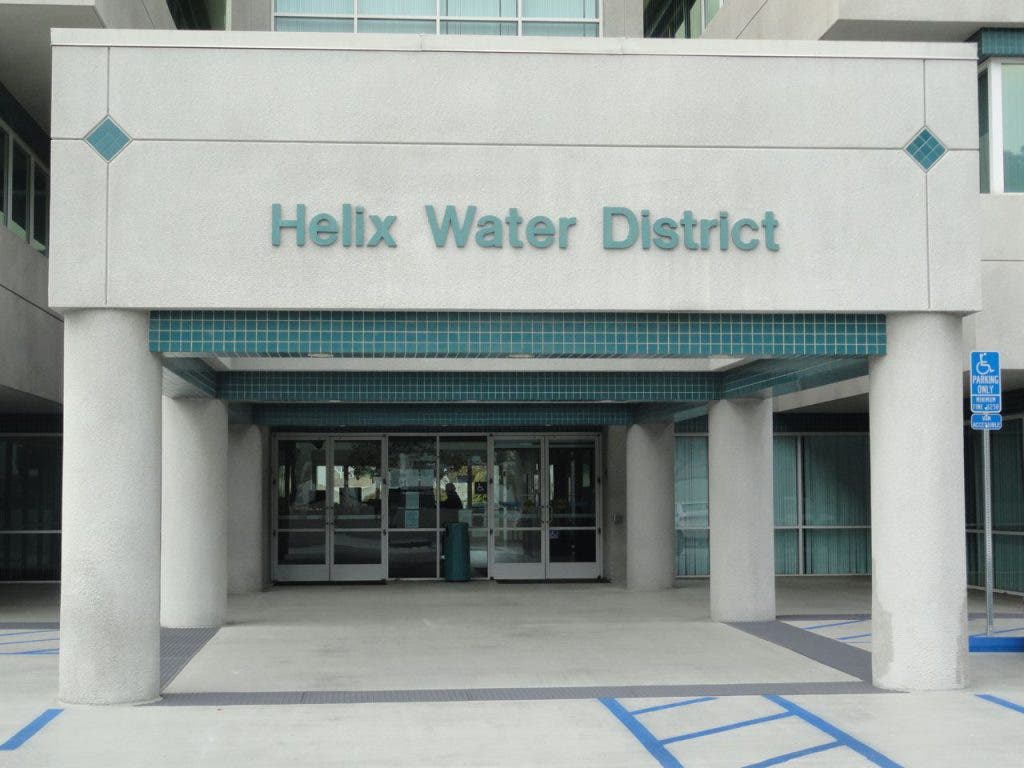
Although the board of directors agreed that the Smart-Meter Pilot Project was a good idea, after Wednesday’s meeting, that’s as far as the new technology will go for now.
With an estimated cost of $1.38 million to install the smart meters around town and Helix undergoing reductions to cope with budgetary issues, the board admitted it just wasn’t time to institute a drastic change.
After Lisa Irvine, director of administrative services for Helix Water District, presented draft guidelines and principles for fiscal year 2011-2012, it seemed clear the smart meters were outside the budget.
Find out what's happening in La Mesa-Mount Helixfor free with the latest updates from Patch.
Irvine said Helix was still undergoing reduction – within a three-year period, Helix will be cutting 20 staff positions, or 12 percent of its workforce.
Irvine also discussed several other cost-cutting measures, including a freeze on any new operating programs, continuing staff reductions through attrition, using Helix vehicles until 80,000 miles rather than replacing them at 55,000, and reducing water education and conservation programs.
Find out what's happening in La Mesa-Mount Helixfor free with the latest updates from Patch.
Shortly after Irvine’s report, Helix Field Operations and Distribution Manager Tim Ross presented an analysis of the Smart-Meter Pilot Project. Benefits, such as enhanced customer service and water conservation, were outweighed by key concerns, including cost, undetermined battery life of wireless transmitters, and high levels of staffing requirements and maintenance.
“We don’t want to spend a million-and-a-half dollars,” said John Linden, board vice president.
The project also demonstrated a lack of public participation in the smart meter web portal. Of the 28 registered users – 9 percent of pilot customer accounts – there were only three visits per week after an initial 20 visits per week.
Board member Kathleen Coates Hedberg said she was surprised at the lack of online participation. Hedberg said she utilizes smart meter access online to get an indication of her own energy consumption.
Nevertheless, Hedberg admitted the time isn’t right to do a full-scale version of the project. She added that she was interested in making the smart meters available to anyone who wanted them.
“Maybe our customers would be willing to pay for that,” Hedberg said. Indeed – the pilot program data showed smart meters resulted in up to 42 percent in water savings for customer accounts, according to Ross.
Despite the board’s decision not to go forward with the smart meters, La Mesa resident and smart meter opponent Susan Brinchman was still not satisfied.
After presenting for several minutes, she was reminded by board president De Ana Verbeke that the board had decided against the smart meters. Brinchman responded it wasn’t enough because meters were already installed as part of the pilot program.
Brinchman said exposing an unsuspecting population to radiofrequency radiation, which the smart meters emit frequently throughout the day, is “irresponsible and deplorable.”
“It is impossible to guarantee the safety of these meters,” Brinchman said. “Mark my words: The smart meters go in, the lawsuits will follow.”
Several Helix customers were interested in keeping up the pilot project.
“That program would be better to be kept on the pilot program for a while,” said Gordon Place.
La Mesa resident Dexter Levy agreed with Place and encouraged the board to keep the existing meters to gather more data.
Although the smart meter discussion was a large part of the meeting, Helix employees’ pensions also weighed heavily on customers’ minds.
“Job security in the public sector is greater than the private sector,” said Russell Buckley, who is against the employee pension plan.
Local business owner and founder of La Mesa Chamber of Commerce David Smyle asked the board to consider holding at least one of the two monthly meetings in the evening for better pubic access.
Smyle expressed fears that a pension reduction would cause the board to raise salaries to make up the difference.
In February, Buckley and Smyle formed a to monitor East County public agencies’ spending.
Smyle also wanted to know each board member’s thoughts on the .
“You are representatives we elected in here. … I really don’t have any idea how any of you stand on the issue of pension reform,” Smyle said.
Smyle suggested the board also hold town hall meetings to solicit public input.
“You can come and inform us. …. Obviously we can’t all be here at 2 in the afternoon,” he said.