Politics & Government
Meet Orinda City Council Candidate Juana Rudati
Juana Rudati discusses transportation, emergency evacuation, and community engagement in the Orinda City Council race.


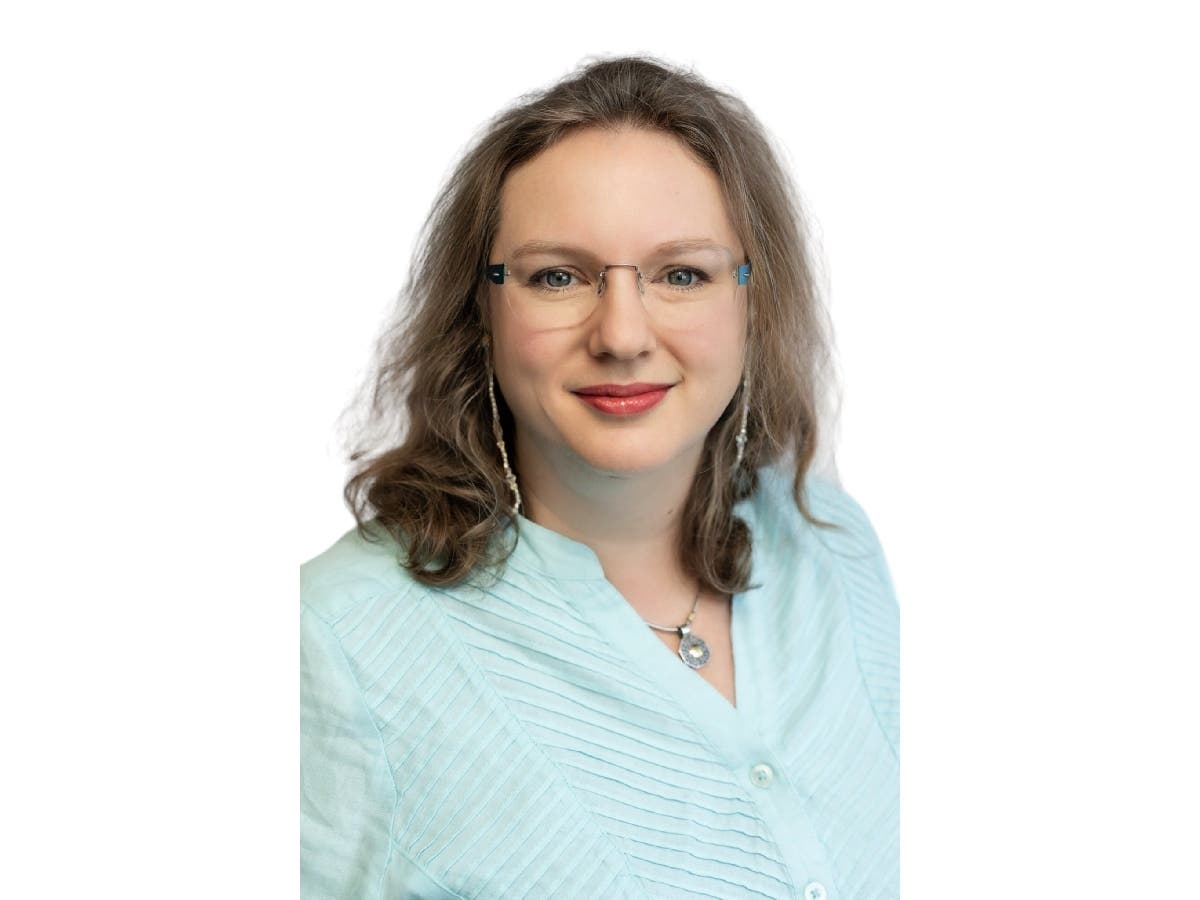
LAMORINDA, CA — Patch reached out to all the candidates for Orinda City Council.
Four candidates are running for three at-large seats on the Orinda City Council.
We sent out questionnaires and reprinted their answers verbatim. Below, read the responses of Juana Rudati, a candidate for a seat on the Orinda City Council.
Find out what's happening in Lamorindafor free with the latest updates from Patch.
Juana Rudati is running for a seat on the Orinda City Council. In the questionnaire, Rudati identified transportation and emergency evacuation as priorities.
What is your educational background?
Find out what's happening in Lamorindafor free with the latest updates from Patch.
I hold a Ph.D. in Physics from SUNY Stony Brook and bachelor's degrees in Physics and Applied Mathematics from UC Berkeley. As a postdoctoral researcher at Stanford Linear Accelerator Center and Argonne National Laboratory, I worked in large collaborations and have co-authored more than 30 publications. This training emphasized quantitative analysis, testing assumptions, evaluating evidence, and changing conclusions when the data require it, an approach I bring to City Council decision-making.
What is your professional background?
I am a physicist and technology program leader with experience in research, product development, government, and education. I led teams of scientists and engineers in industry and the federal government, and I have worked both sides of research funding, winning awards and giving them. I currently advise science and technology companies. I taught physics at Diablo Valley College and was a substitute teacher in Orinda schools. I also serve on the Board of Directors of the American Physical Society.
Have you ever held public office, whether appointive or elective?
No. I have not previously held elective or appointive public office. My public-sector experience includes leadership positions at the U.S. Department of Defense, and I have regularly followed and participated in Orinda local government. My professional work requires the same skills City Council service demands: working with people, making critical decisions, and moving complex projects forward. I believe that experience would bring a useful new perspective to the Council.
What are the top three issues facing your district right now?
1. Safer, more effective transportation and emergency evacuation. I want Orinda’s roads to work efficiently for everyday travel and to preserve our ability to evacuate safely during emergencies. I also want to make it safer and more practical for students and other residents to walk and bicycle, using data to identify the improvements that will have the greatest impact.
2. Transparent, evidence-based City government. Major decisions should be supported by the best available evidence, with assumptions, tradeoffs, and potential unintended consequences made clear. I also want greater public access to City meetings through remote participation, recordings, and easily accessible supporting information.
3. Protecting what makes Orinda distinctive. I want to protect our creeks, trees, hillsides, and natural spaces while planning thoughtfully for housing, downtown development, and infrastructure. As Orinda changes, we should preserve the semi-rural character and natural environment that make our community unique.
What is one specific policy you would implement in your first 100 days?
I would propose a City policy requiring virtual access and public recordings for all City public meetings, not only City Council meetings. This includes committees and working groups such as TSAC, SSTOC, and joint 2x2 meetings with agencies like MOFD and the school district.
Residents should not have to attend in person to understand how decisions affecting them were discussed. Recordings, agendas, supporting materials, and minutes should be easy to find in one consistent place on the City website.
This is an inexpensive way to improve transparency and participation. It matters most for residents whose work, childcare, transportation, or mobility constraints make daytime or in-person meetings difficult. All these meetings were already offered virtually during Covid, and the technology has improved since. In fact, some meetings are already recorded so that notes can be extracted, but the recordings are not made public. Sharing them would cost almost nothing.
What is your plan to enact this plan and how would you measure success after one year?
I am an optimist, and I have already started researching this. Every one of these meetings already has a City employee present. Staff could try an AI-assisted meeting tool, such as Zoom, Microsoft Teams, or Google Meet with built-in AI notes. One tool can produce the recording, a transcript, and a draft summary, which staff can review and edit into official minutes. Government-specific platforms can handle recording, agendas, and posting in one system, but they cost more. I am checking whether the City already pays for one. The first step is an inventory of which public meetings currently offer remote participation, recordings, agendas, and minutes, including any technical or legal barriers. The Council could then adopt a consistent policy setting minimum public-access standards and direct staff to implement it with existing technology. Success after one year comes down to four simple questions: • What percentage of eligible meetings were available remotely? • What percentage were recorded and posted promptly? • Are agendas, supporting documents, and minutes easy to find? • How many residents participated remotely or watched recordings? Participation data will also show which meeting times work best and whether remote access is reaching residents we weren't reaching before. The goal is not another policy. It is to make City government measurably easier for residents to observe and participate in.
What is one specific change you would make to improve livability in your district?
One change would do the most for livability: a continuous network of safer walking and biking routes connecting neighborhoods with schools, downtown, and BART, starting with a safe route to Orinda's schools.
Many Orinda residents would walk or bike more often if it felt safe. In some locations, narrow roads, fast traffic, poor sight lines, and gaps in sidewalks, crossings, and bike routes make short trips harder than they should be.
Priorities would be set with evidence: vehicle speeds, collision history, pedestrian and bicycle activity, school travel patterns, and known gaps in the network. Small changes, such as clearing obstructions, improving crossings, adjusting traffic controls, or adding appropriate separation, can often deliver substantial benefits without major construction. I would measure results after each change and adjust.
The goal is an Orinda where families choose to walk and bike because the routes are safe and convenient. The payoff reaches everyone: better health, a cleaner environment, less traffic, and a more desirable place to live. For residents who can't drive, including students and seniors, safe routes mean freedom to get where they need to go.
How would you improve transparency or accountability in your local government?
When the City adopts an ordinance, makes a recommendation or asks residents to change their behavior, the underlying facts, rationale and evidence should be clearly available. Public information should not simply repeat assumptions. Public education needs to be grounded in established research.
I would also expand virtual access to all public meetings, including committees and joint agency meetings. Supporting documents, minutes, and recordings should all be in one easy-to-find place.
Finally, measurements matter after policies are adopted. If the City changes a traffic rule, adopts a safety measure or spends money to solve a problem, we should define what success looks like, collect the relevant data and report whether the policy worked. If it did not, we should be willing to change course.
What makes you a better choice than your opponents?
I bring a perspective and professional background the Council does not currently have.
As a physicist, I have spent my career solving complex problems by questioning assumptions, evaluating evidence, and measuring results. I have led teams of scientists, engineers, and other specialized experts, which taught me that good leadership does not mean knowing more than everyone else. It means listening to people with different expertise, weighing competing evidence, and making sound decisions.
I am also the parent of a child currently in Orinda's public school, and I was a substitute teacher in every OUSD school during Covid. I see issues like school traffic, walking and biking safety, and coordination between the City and the schools as families experience them today.
I am running as an independent voice. I believe an additional perspective can improve decision-making. My approach is simple: base decisions on evidence, measure whether they work, change courses when they do not, and consider unintended consequences before acting.
Get more local news delivered straight to your inbox. Sign up for free Patch newsletters and alerts.