Health & Fitness
Orange County Retina Medical Group Joins Nationwide Clinical Trial for Seniors with Vision Loss from Macular Degeneration
CentraSight Telescope Implant Study Now Enrolling Patients

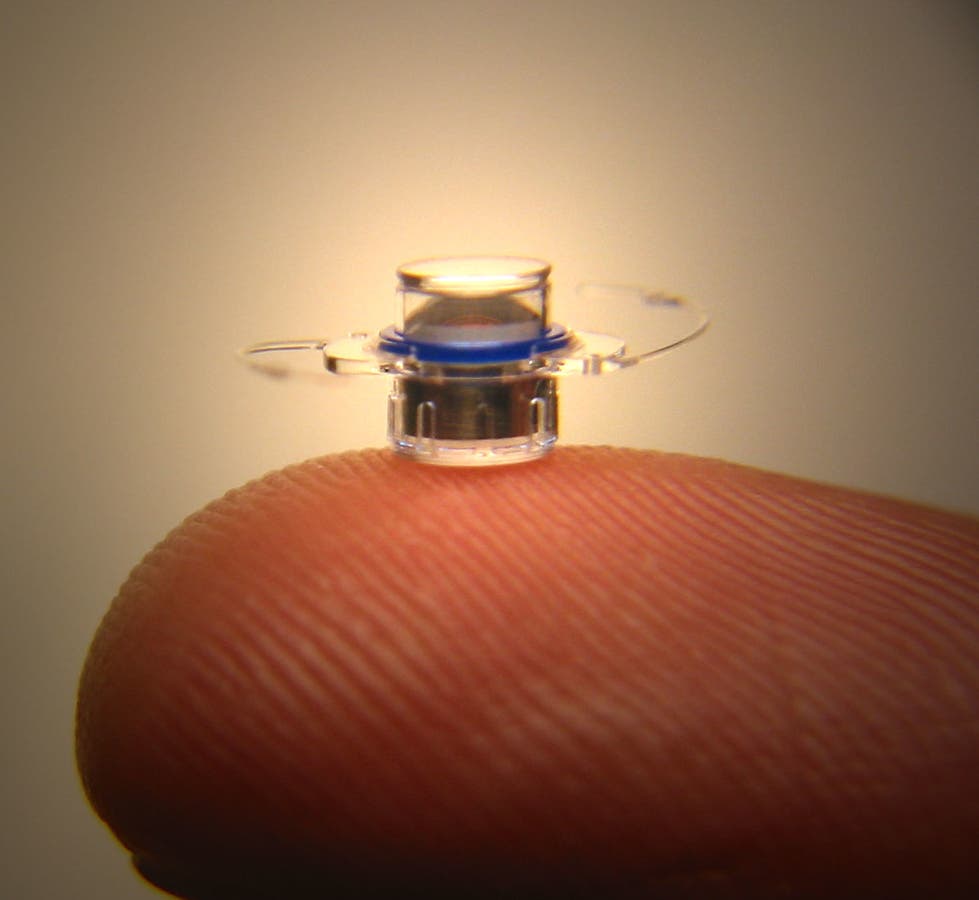

OC Retina is participating in a nationwide clinical trial of the Implantable Miniature Telescope (by Dr. Isaac Lipshitz), a medical device that is already FDA approved for patients with the most advanced form of macular degeneration (end-stage AMD) who have not yet had surgery to remove a cataract. The new trial will evaluate the safety and effectiveness of the device for patients with end-stage AMD who have already had a cataract removed from the eye that will be implanted. OC Retina is actively seeking patients to participate in the trial.
Until now, the telescope implant treatment program, which is marketed under the brand name CentraSight, was only available to patients 65 and over who have not had cataract surgery, a common procedure for seniors experiencing some vision loss. If the trial is successful, it could potentially expand the eligibility for the procedure to many more people.
Smaller than a pea, the telescope implant uses micro-optical technology to magnify images that would normally be seen in one’s straight ahead vision. The images are projected onto the healthy portion of the retina not affected by the disease, making it possible for patients to see or discern the central vision object of interest.
Find out what's happening in Los Alamitos-Seal Beachfor free with the latest updates from Patch.
The CentraSight® program has been developed to help patients see the things that are important to them, regain independence, and re-engage in everyday activities. The program utilizes a multispecialty provider team approach to help patients follow the necessary steps for proper diagnosis, surgical evaluation, and postoperative care. The specially trained team includes a retina specialist, cornea surgeon, low vision optometrist and low vision occupational therapist, the latter works with the patient over several months to teach them how to use his/her new vision.
“OC Retina began offering the telescope implant to patients who haven’t had a cataract removed in 2012,” said Dr. Rajiv Rathod, MD. “We’ve been impressed with patients’ progress as they become proficient in using this remarkable device. Patients report they can resume hobbies, live more independently and most importantly, see the faces of their family and friends again. “
Find out what's happening in Los Alamitos-Seal Beachfor free with the latest updates from Patch.
About End-Stage AMD
More than 15 million Americans are affected by some form of macular degeneration and approximately two million Americans have advanced forms of AMD with associated vision loss. The number of Americans afflicted with macular degeneration is expected to double with the rapid aging of the U.S. population. Specifically, end-stage AMD results in a loss of central or “straight-ahead” vision, creating a blind spot, and is uncorrectable by glasses, drugs or cataract surgery.
This blind spot makes it difficult or impossible for patients to see faces, read, and perform everyday activities such as watching TV, preparing meals, and self-care. The telescope implant has been demonstrated in earlier clinical trials and in commercial use to improve quality of life for those with central vision loss in both eyes by improving patients’ vision so they can see the things that are important to them, increase their independence, and re-engage in everyday activities. It also may help patients in social settings as it may allow them to recognize faces and see the facial expressions of family and friends.
OC Retina is actively seeking candidates for the telescope implant trial. Patients will be evaluated for the study by determining if they:
- Have irreversible, End-Stage AMD resulting from either dry or wet AMD in both eyes
- Are no longer a candidate for drug treatment
- Have had cataract surgery in the eye where the telescope will be implanted and have adequate peripheral vision in the eye not scheduled for surgery
- Are age 65 or older and meet other vision/cornea health requirements
The telescope implant is not a cure for end-stage AMD. As with any medical intervention, potential risks and complications exist with the telescope implant. Possible side effects include decreased vision or vision impairing corneal swelling. The risks and benefits associated with the telescope implant are discussed in the Patient Information Booklet available at www.CentraSight.com and will be evaluated with each patient who might be a candidate for this study.
Patients and physicians can find more information about the telescope implant and related treatment program by calling Marinel Casiano, clinical coordinator at OC Retina, at 714-972-8432 or by visiting www.CentraSight.com or calling 1-877-99-SIGHT.