Health & Fitness
California’s Hepatitis A Outbreak: 5 Things To Know
With outbreaks declared in at least three California counties, here is what you need to know.


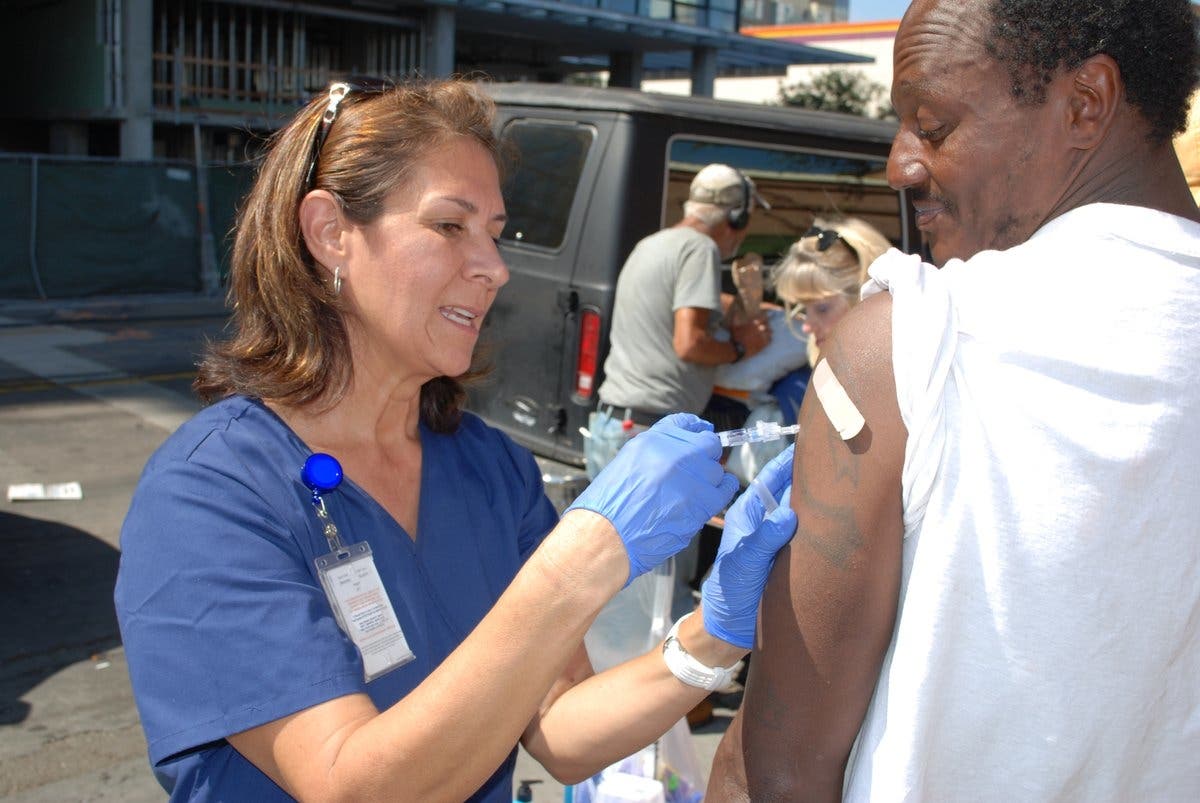
1. Hepatitis A has infected more than 500 Californians this year and killed at least 16, with outbreaks declared in at least three counties.
2. As of Sept. 19, San Diego County had 444 cases and 16 deaths linked to the outbreak; Los Angeles County had 10 confirmed cases; and Santa Cruz County had 69. San Francisco has seen 13 confirmed cases so far.
3. Vaccinations are being widely offered through public clinics and doctors’ offices. In San Diego County, more than 22,000 have been vaccinated against the disease, with more vaccine clinics taking place. In Santa Cruz County, vaccinations are being offered at three public clinics in the city of Santa Cruz and one location in Watsonville. Los Angeles County is also offering vaccination clinics through its public health department.
Find out what's happening in Los Gatosfor free with the latest updates from Patch.
4. In August, the California Department of Public Health issued a letter to all hospital emergency departments stating that the hepatitis A (HAV) strain responsible for the outbreaks had not been linked to any foods or other commercial products. Instead, it is being transmitted person-to-person — with the homeless population and people who use injection or non-injection illicit drugs the most at risk of contracting the virus if exposed to it. Hospitals were encouraged to report all cases; work with local health partners to provide vaccines to the vulnerable population; save blood samples of those believed to be infected; offer vaccines to health care personnel who work in close proximity with those most at risk; and ensure thorough cleaning of restrooms.
5. Hepatitis A is a liver infection caused by the HAV. The virus is highly contagious and can cause liver disease lasting a few weeks or a serious illness lasting months and in severe cases, it can lead to death. HAV is usually transmitted by: Touching objects or eating food that someone with HAV infection handled; having sex with someone who has an HAV infection; or by the fecal-oral route, which is when a person ingests food or water that has been contaminated with even a tiny or microscopic amount of feces from an infected person. Symptoms can include fever, fatigue, nausea, loss of appetite, yellowing of the eyes (jaundice), stomach pain, vomiting, dark urine, pale stools and diarrhea. Public health officials say vaccinations are the best way to avoid contracting hepatitis A. To avoid contracting the virus and to prevent the spread, one should not share food, drinks, eating utensils, towels or toothbrushes with others or sexual intercourse with infected persons. Washing one’s hand before eating or preparing food and after using the bathroom or changing diapers will also prevent the spread.
Find out what's happening in Los Gatosfor free with the latest updates from Patch.
MORE ON THE CALIFORNIA OUTBREAKS:
- Hepatitis A: San Francisco Working To Prevent Outbreak
- Hundreds Vaccinated Against Hepatitis A During San Diego Clinic
- Hepatitis A Outbreak: San Diego Takes Steps To Educate Public
- Officials: Pacific Beach Restaurant Customers May Have Been Exposed To Hepatitis A
- San Diego Begins Sanitary Street Washing Due To Hepatitis A Outbreak
- Hepatitis A Outbreak Declared Emergency In San Diego County
- Hepatitis A Outbreak: Hand-Washing Stations Installed Around San Diego
- San Diego County Hepatitis A Outbreak Linked To Santa Cruz Strain
What you should know about #HepatitisA. Learn more from @lapublichealth at https://t.co/RyEnXAIV32 pic.twitter.com/5TiHEieI3H
— Los Angeles County (@CountyofLA) September 21, 2017
"Foot teams" of our Public Health Nurses & @SanDiegoPD officers continue to hit the streets to vaccinate homeless individuals. #HepatitisA pic.twitter.com/njIzj12Jpa
— SD HHSA (@SDCountyHHSA) September 20, 2017
Hep A vaccination clinic will be held in Boulder Creek today from 2-4 p.m. pic.twitter.com/ZnrbLhLuHt
— County of Santa Cruz (@sccounty) September 12, 2017
Photo via San Diego County Health and Human Services Agency Twitter page
Get more local news delivered straight to your inbox. Sign up for free Patch newsletters and alerts.