Health & Fitness
Ancient Heritage
A series of 3 introductory articles connecting the modern day mountain visitor with the ancient mountain residents, here before the first Europeans.
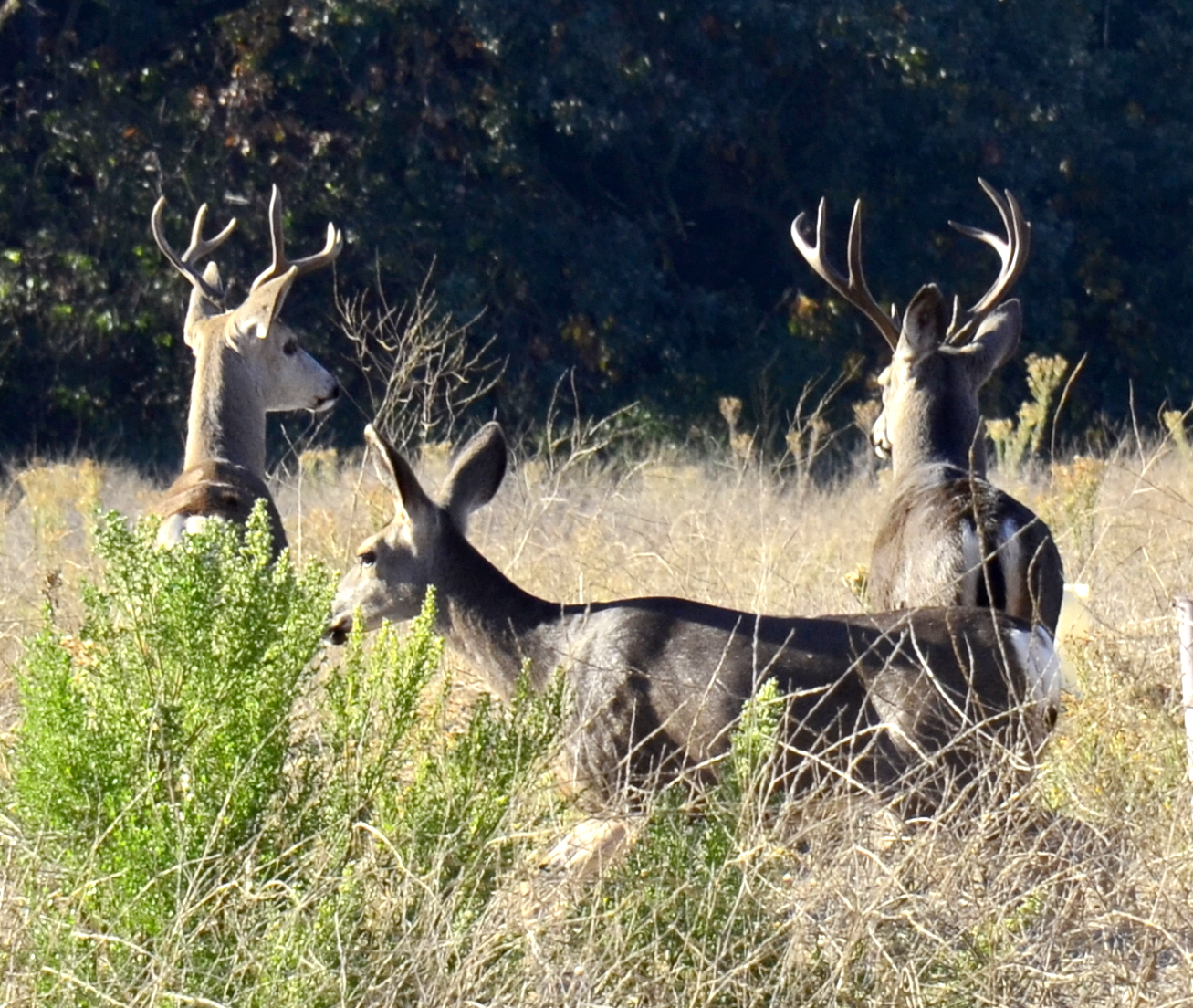


I was backpacking on the West side of the High Sierras near Edison Lake several years ago, when I encountered a lone hiker traversing the full length of the Trail with his dog. The dog’s ribs were showing and they both looked pretty hungry. I think they were low on food and had decided to leave the Trail and go for supplies. Many years before, a man named John Muir had spent more time in that area living off of a sack of flour and what he could find. Apparently Muir was a better at living off the land then our fellow packer. I tried having lunch off of the land once on the other side of the High Sierra in a place called Kennedy Meadows. I had purchased a detailed set of plant photographs and a book so I could tell which plants to eat and which ones to avoid. There is quite a difference between wild onions and Death Camas, even though they look pretty much the same. I even manufactured a spear in the meadow out of a stick and some cow bones I fractured with a rock and tied to the end. There were trout in the stream, but I could not catch one with my spear. I did end up spearing two small frogs and found some dandelion leaves after hours of searching but I ended up having a Milky Way on my way back to camp for lunch. The effort I put into getting the frogs and dandelion was much more than the food energy I would have gotten from gathering them. And that was in a meadow where no one else was searching for food. Living off of the land here in the Santa Monica Mountains back country is even more demanding than the High Sierra. Think of all the competition. I guess you could kill and eat a rattlesnake or a ground squirrel or rabbit. People have. I’ve never seen fruit on the wild blackberries here but I have tried to eat wild walnuts in the fall. Have you ever taken one of those ‘edible plant’ classes from the Park Service? Sage is great seasoning but you need something to season. There are enough mule deer and rabbits to live off of, but I don’t think it’s legal to hunt them. If you go down a canyon trail to the sea, you can catch surf perch in the waves and cook it over a wood fire. Or maybe steam it, wrapped in kelp, over some hot rocks. Try sand crabs for bait and don’t forget to get a fishing license. Hundreds of years ago, the local Chumash were into wood fired cooking, both on the beach and inland, something like our local BBQ place but I don’t believe they were into wood fired pizza. Wood smoke from Wood Ranch is pretty much the same up a stack as in the mountains and they use oak logs too, but the restaurant staff doesn’t hunt mule deer, rabbits or squirrels or fish for perch at the beach. The ancient peoples would take whatever meat or fish they could find, skin the animals for clothing and blankets and use the bones and hooves for a variety of things and then shared the protein. They had a different attitude then about shooting things, they figured the animals lived here, too, but we all have to eat to stay alive. People are predators just like the hawks and coyotes and they felt that partnership with the animals and plants and did not kill them for target practice. They took just what they needed for food, much like their fellow meat eaters. This idea of a partnership with nature was foreign to the Europeans who came up from the South on their way to Monterey. We brought the ideas that, if mine is bigger than yours, watch out; as opposed to, if you don’t need it don’t take it. Unlike the Apache, the Chumash got along pretty well with neighboring tribes before father Serra arrived. They would sometimes trade Malibu abalone shell for blue Arizona turquoise and red coral. There was a trading network using bead money that extended well past what we now call the California border, so they probably looked at Spanish explorers as potential trading partners, having no idea what a gun was. Or why the padres had come. So imagine village life for the Chumash here in our mountains and what a meal might be like for them and who provided it and who cooked that meal. Or imagine setting up your own village next to a year round stream in Malibu Creek State Park. Think of it as an early subdivision. It might be a lot like the campground in Sycamore Canyon in Point Mugu State Park but without the hot showers or pavement or fee structure. Have you ever visited one of our local Chumash visitor centers? The Satwiwa center in Newberry Park is very informative. There is another one off of Westlake Boulevard in Thousand Oaks. The next time you head for Santa Barbara, visit the Natural History Museum near the mission. You might want to compare the two versions of Chumash life, one at the Mission and one at the museum. Go to Satwiwa when they are doing an outdoor presentation or having a big pow wow. Or you can go to the Spring gathering at the Bluffs Park at the end of Malibu Canyon Road across from the Pepperdine University. You can see very accurate mock-up of an ap at both places, the shelter they lived in. Go in the spring, the flowers and green grasses in the meadows will welcome you. Villages were located in a large flat place in a protected valley or meadow in the mountains near a stream. They were typically in the shade of oak trees. There usually were several aps with fireplaces outside and places to work and a community gathering place. The aps were made of tulle reeds, bendable tree trunks and branches and string made from local plant fiber. They’d leave a hole at the center of the roof and people would make a fire inside only on rainy days. The hunters of a tribe like the Ineseno Chumash would bring back the deer and rabbits they had taken; the people who stayed in the village would skin them, prepare the hides, cook the meat and occasionally make other things out of hooves and bones. They had to cook and eat it quickly, there was no refrigeration. If you left meat out, other wild animals would take it in the night. Also, they could dry the meat, making a type of jerky that would not spoil. It takes a village. Things like clothing, bone hole-punches and dance rattles made from animal skins, bones and hooves are available at both centers for purchase. Talented crafts-people make those things today and sell them there as well as museum pieces on exhibit. The Chumash are famous for going down to the sea, making redwood plank boats sealed with pitch, called tomols and heading out to the off-shore islands like Santa Cruz to live. Ask them about the return trip. So, other than being better versed in early California history, what is the point of learning about the lifestyle of the first Californians here in the Santa Monicas?