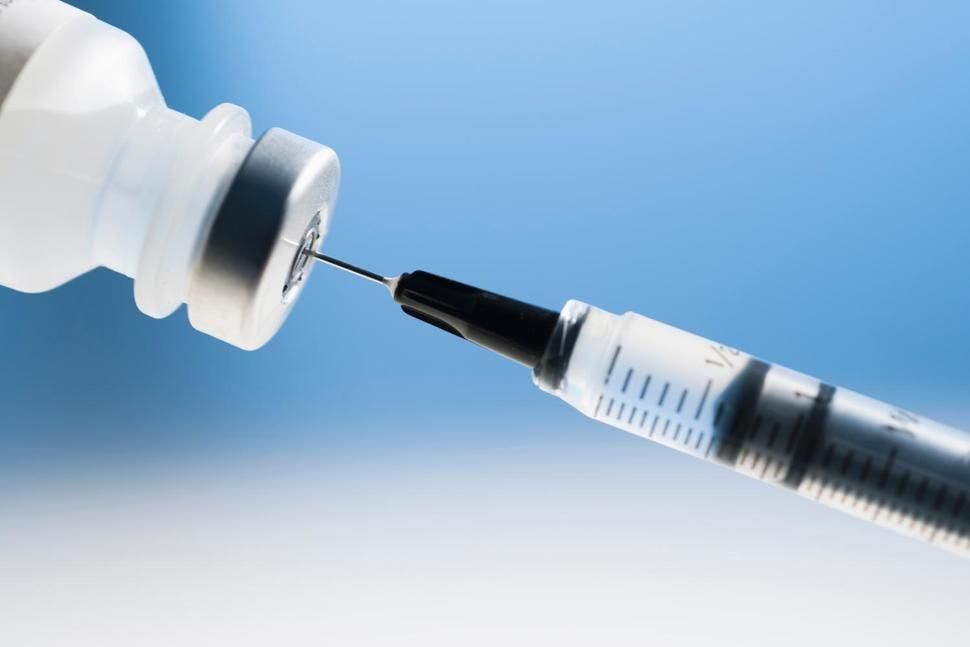
Malaria is a devastating disease that affects over 200 million people worldwide. Malaria, which is a diseasetransmitted through the bite of infected mosquitoes, can cause flu-like symptoms (fever, aches, nausea) and for many it is fatal. Current ways to combat the illness include mosquito-proof netting to protect from bites and anti-malaria drugs and though these methods are effective, scientists still hope to discover a cure for the disease so as to eradicate it permanently. A new malaria vaccine may be in the works that finally promises immunity to the disease.
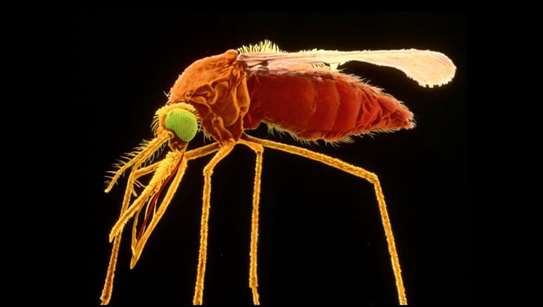
Since the early 20th century, several vaccines to many other fatal illnesses like smallpox and the flu have been developed and for decades the level of cases of fatal disease amongst the population has continued to decline. The possibility of a new malaria vaccine gives hope to scientists who wish to combat one of the deadliest diseases of the 21st century.
Scientists have been developing malarial treatment for years, but unlike other diseases, malaria is caused by a parasite, not a virus, which makes it difficult to treat because it is constantly evolving. Now scientists have been able to develop a vaccine that will give people temporary immunity to malaria, which will help those who may be working in malarial zones for short periods of time. Though not permanent, this new vaccine has helped to advance the fight against malaria and may soon replace old methods of malarial treatments that are less effective.
Find out what's happening in Marina Del Reyfor free with the latest updates from Patch.
The new vaccine used in combination with existent anti-malarial drug treatment can also prove helpful to the millions of people mainly in the Sub Saharan African continent that suffer from malaria. The new drugappears not only to attack malaria after it has infected the body, it shows promise of attacking malaria before it evolves into its more dangerous forms. Clinical trials are still being held but the results of the trials are promising. If the new treatment prove effective in human trials, it will revolutionize the way we treat malaria and bring us one step closer to eradicating this deadly disease.