Community Corner
Petition To Halt State Ballona Wetlands Project Reaches 9,000
Environmentalists have petitioned against the state's plan to restore the Ballona Wetlands, garnering nearly 9,000 signatures in opposition.


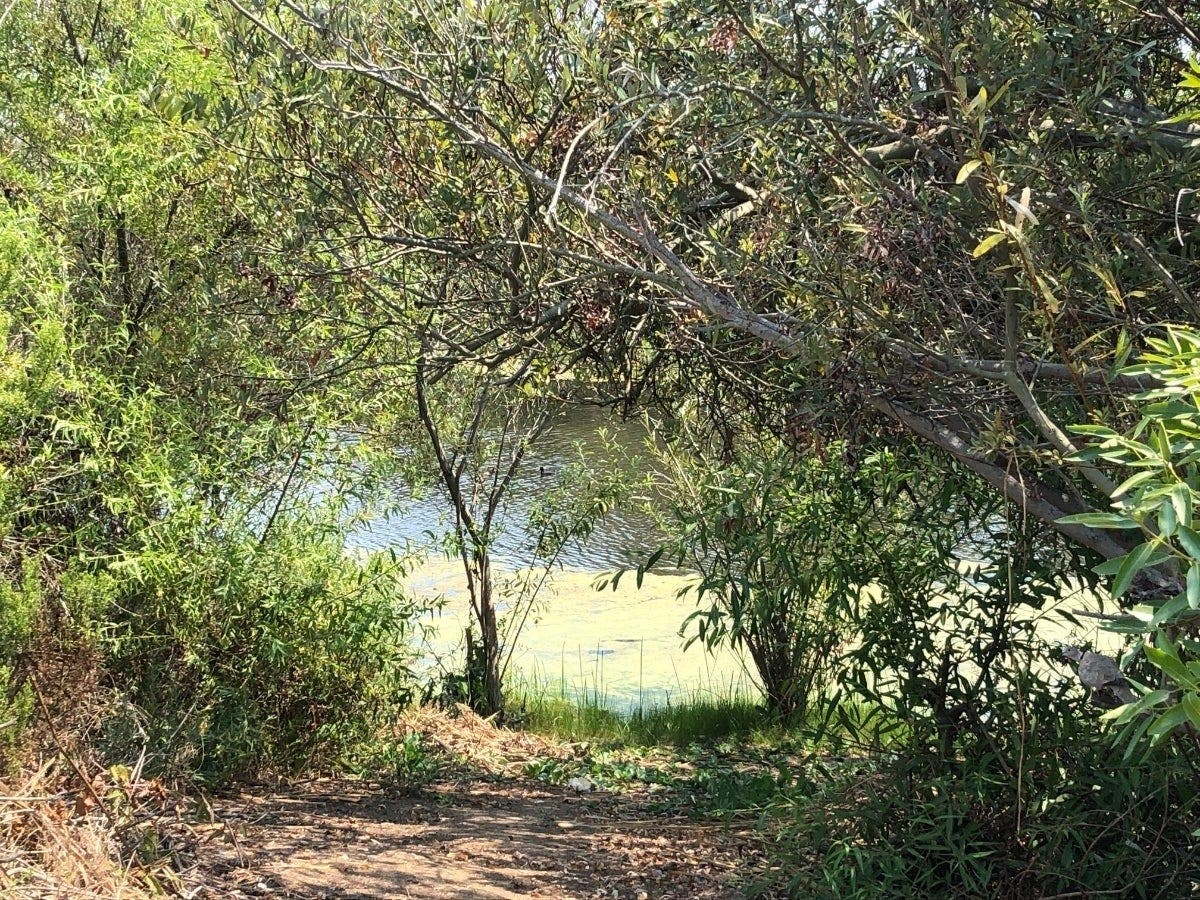
PLAYA DEL REY, CA — The battle to save the Ballona Wetlands waged on this week as a petition opposing a restoration approved by the State garnered nearly 9,000 signatures as of Tuesday.
"It is under threat to be bulldozed and have more than 2 million cubic yards of life-filled soils excavated, moved around and re-sculpted, as if one can play 'Frankenstein' with nature," the petition states. "This plan is for an amusement-type park that would eliminate habitat for many of the rare species that rely on Ballona today ... this is not a good use of public money that was meant for protection of wetlands, grasslands and other fragile habitats."
In late December, the California Department of Fish and Wildlife selected "Alternative 1" for the full scale restoration of the wetlands, opting to not put a parking garage or visitor center at some of the last remaining marshes along Los Angeles County's coastline.
Find out what's happening in Marina Del Reyfor free with the latest updates from Patch.
The plan is the most comprehensive of the proposals, involving large-scale restoration designed to enhance the native coastal wetland and habitats with extensive work to lower land levels, remove some existing levees and creating new ones around the Reserve's northern perimeter, realigning Ballona Creek and reconnecting it with the wetlands marsh and installing new trails, bike paths and educational features along with improvement of existing parking areas and construction of a three-story parking garage.
But environmentalists are against this decision, claiming it is not a restoration, but that it will damage the sacred land and hurt the species of animals living there.
Find out what's happening in Marina Del Reyfor free with the latest updates from Patch.
The Friends of Ballona Wetlands, Heal the Bay, the Surfrider Foundation, Los Angeles Waterkeeper and the Trust for Public Land have been working together for years on behalf of the restoration, Scott Culbertson, executive director of Friends of Ballona Wetlands, said last week.
Members of the Defend Ballona Wetlands group plan to challenge the restoration in court, saying that the project will harm animals living in the reserve, including endangered species. The group alleges that the state's plan is motivated by bond money and private interests, including a Southern California Gas Co. gas storage facility under the wetlands.
The group has put forth several proposals, including:
- forming an Indigenous Tribal Council for Ballona to guide protection decisions for the land;
- improving and creating walking trails on city-owned Cabora Drive;
- funding a docent training program so docents can lead guided walks on the trails;
- funding, creating and distributing maps at Fisherman's Village in Del Rey and Playa del Rey;
- opening Ballona Creed South Levee for walking only, without dogs; and
- forming recovery teams to bring back various species, including the southern sea otter, to the ecological reserve.
The California Department of Fish and Wildlife said the approved project will bring native coastal wetlands and upland habitat to the reserve, which is located south of Marina del Rey and east of Playa del Rey. The state described it last Wednesday as a "science-based restoration, enhancement and establishment of native coastal wetland and upland habitats that will restore the damaged and degraded Ballona Wetlands Ecological Reserve to a thriving wetland" for animals.
The project's restoration components include:
- increasing coastal wetlands by approximately 200 acres;
- replacing 9,800 feet of existing Ballona Creek levees with transitional zones to accommodate for sea-level rise;
- realigning the existing Ballona Creek channel with a more natural `meander shape' and reestablishing the floodplain, improving tidal circulation into the ecological reserve; and
- decommissioning active wells and associated infrastructure from SoCalGas.
But Climate Reality Project leader Molly Basler has said the approved plan will not address sea level rise concerns.
"Their language about sea level rise is the exact opposite of our conclusions about bulldozing these fragile lands. Demolishing the levees will put habitats, roads, homes and businesses at risk," she said.
READ MORE COVERAGE ABOUT THE BALLONA WETLANDS FROM PATCH:
The project also includes several flood risk management and public access-related improvements, like adding pedestrian-only trails and creating retention basins to alleviate neighborhood flooding.
The Friends of Ballona Wetlands and other environmental groups last week hailed the long-awaited certification of the environmental impact report for Los Angeles' last remaining coastal wetlands.
"This restoration will be a gift to the entire Los Angeles region, including the nearby communities that have historically not had access to such resources," Friends of Ballona Wetlands' Culbertson said. "California has lost 91% of its wetlands and the county has lost even more. In the face of climate change, large scale wetland restoration projects, particularly those in urban areas like the Ballona Wetlands restoration project, are critical."
At one time, the beloved Ballona Wetlands Ecological Reserve once covered 2,000 acres between Playa del Rey, Venice and Baldwin Hills. The reverse was full of marshes, mud flats, salt pans and sand dunes.
Now, the reserve is just 577 acres since it was aquired by the state in 2003, and its ecosystem is considered by some a rare opportunity for major coastal habitat restoration in the county.
"CDFW is advancing the most restorative alternative in the final EIR - - with a significant commitment to phasing the restoration work," the department said in its Dec. 30 announcement.
"The most restorative alternative also provides more climate resiliency buffer, because without this restoration sea level rise will overcome the remaining portions of BWER that have functioning wetlands and flood local roads more frequently, more severely and more sooner. It will restore ecological function to currently degraded wetlands, preserving sensitive habitat for future generations and build climate resilience on a coast vulnerable to sea level rise."
Heal the Bay President Shelley Luce added: "California has lost extensive amounts of its wetlands and L.A. County has lost even more. Wetlands are a natural buffer against sea level rise and make our communities more resilient to the climate crisis. Large-scale wetland restorations, especially in developed urban places, are critical climate actions we can take now to protect our future. We are so pleased to see such a major wetland restoration plan move forward here in LA."
The next step for the reserve is the selection of a final design. The United States Army Corps of Engineers is expected to complete its engineering plan, which will take about 2 1/2 years, and the Department of Fish and Wildlife will acquire necessary permits in the meantime.
Once the project is complete, the reserve is set to become the second-largest public open space in the city just behind Griffith Park.
Miguel Luna, president of Urban Semillas, said Los Angeles County lacks enough open space for its residents, and historically communities of color have suffered the most from a lack of parks.
"This is a big step in designing a new park to meet multiple needs in our densely developed cities," he said last week. "Westchester, Playa del Rey and the LAX area has a `high park need' and more green space nearby will help increase access to the many benefits nature provides for mental and physical health as well as life expectancy."
The City News Service and Patch staffers Nicole Charky and Kat Schuster contributed to this report.
Get more local news delivered straight to your inbox. Sign up for free Patch newsletters and alerts.