Community Corner
Bay Area Scientists Aid in Discovery of 3 New Elements
The discoveries are a significant step toward examining the existence of a region that extends the current periodic table.


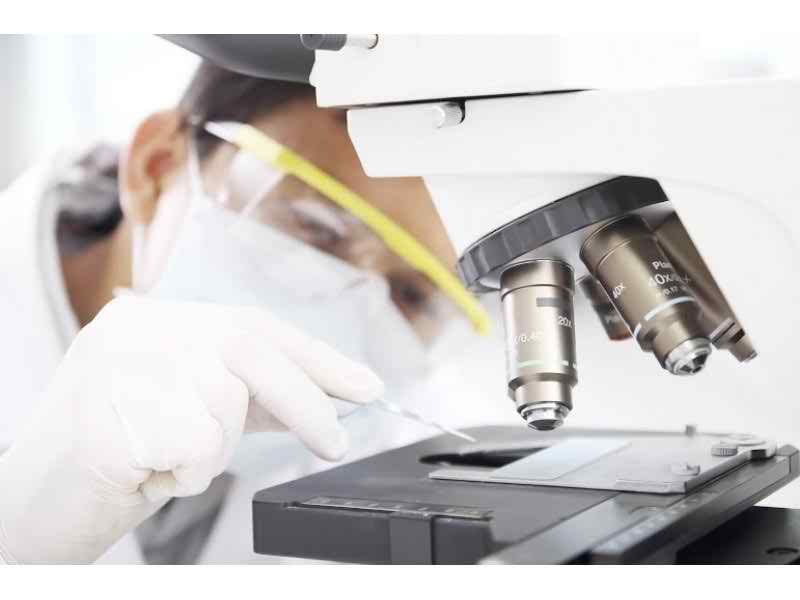
A team of scientists in the Bay Area, working in concert with an international group of researchers, has officially discovered a trio of new elements, according to the Lawrence Livermore National Laboratory.
The lab’s officials announced Thursday that the International Union of Pure and Applied Chemistry confirmed the discovery of elements 115, 117 and 118. The lab’s scientists collaborated with the Joint Institute for Nuclear Research in Dubna, Russia, as well as other researchers, to discover the elements.
“This is a very exciting time for our collaboration and shows that all of the hard work has paid off,” Dawn Shaughnessy, a principal investigator at the labs, said in a statement. Shaughnessy said creating a new chemical element can take “endless hours” and “years of work” by researchers, both locally and abroad. None of the new elements have yet been named.
Find out what's happening in Menlo Park-Athertonfor free with the latest updates from Patch.
Back in 2011, the global chemistry organization that recently confirmed the new elements officially named element 116 - another discovery that locals participated in - Livermorium, after the Lawrence Livermore National Laboratory. According to the lab’s officials, all of the elements are referred to as super-heavy elements. None are observed in nature. They can only be created in a lab.
To date, element 118 is the heaviest element to be discovered. The discoveries are a significant step toward examining the existence of a region that extends the current periodic table to even heavier elements with the potential for experimentation, lab officials said.
Find out what's happening in Menlo Park-Athertonfor free with the latest updates from Patch.
By Bay City News
Photo via Shutterstock
Get more local news delivered straight to your inbox. Sign up for free Patch newsletters and alerts.