Health & Fitness
4 Tips to Get Kids to do Chores
4 tips on how to get kids to do their chores around the house.
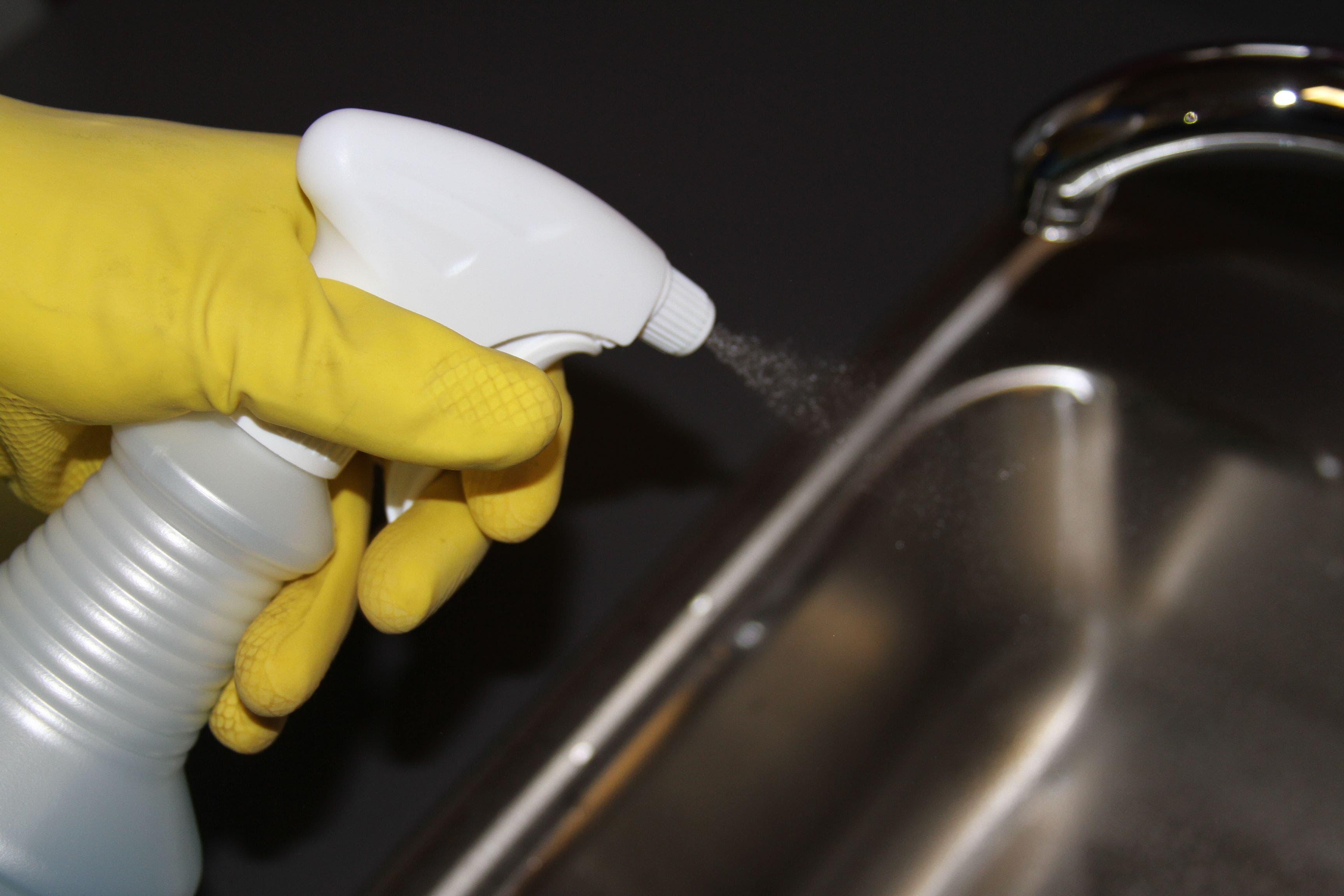

Ahhh.. school is almost here! Have you been a bit laid back during the summer about kids doing chores? Before the school routine and after school activities hit with full force, here are some tips to help get kids back into the habit of daily chores.
Why is it important that kids do chores?
Doing chores around the house helps to develop and raise healthy children in three important ways:
Find out what's happening in Menlo Park-Athertonfor free with the latest updates from Patch.
- Gives children a sense of responsibility and belonging.
- Allows a way for parents to encourage children saying, “Well done” when a job is completed.
- Provides a process for building self-esteem.
Chores are another way you can prepare your child for the real world.
You don’t want your kids going off to college not knowing how to do their own laundry or cook an egg do you? Kids that have never had any responsibility in the home can become whinny young adults that look to others to do things they should be doing for themselves.
Find out what's happening in Menlo Park-Athertonfor free with the latest updates from Patch.
A better term than “chore” is “contributions.”
Doing jobs around the house contributes to the household running smoothly and with less stress. Everyone benefits.
Little ones aren’t going to be able to contribute effectively yet. They are eager, but not competent. Let them “help” even if it means more work for you. With a bit of creative thinking, you and your spouse can come up with ways they can “help.” A few ideas to get you started:
- Dust the TV or computer screen
- Wipe off the table or counter top
- Sweep the kitchen floor (with a child-sized broom)
- Empty the trash in your office
- Comb the dog
Once children reach 1st grade they are competent enough to be able to make a helpful contribution to household responsibilities.
Here are 4 simple tips to encourage and help your child follow through and complete their “Contributions.”
1. Keep a positive attitude. Model doing your contributions with enthusiasm. Show appreciation for when your little one helps. Keep it fun so your child will associate fun with chores when they get old enough to do them on their own.
2. Negotiate. Give them a sense of control-let them choose (within reason and age appropriate). Make a list of all the chores you already do to keep the household afloat. Include in that list: pay the mortgage, PGE, phone bill, health insurance, car insurance, purchase clothing, go shopping, cook. Then add the day-to-day jobs that need to be done: clean up after meals, laundry, bathrooms, vacuum, yard work etc.
Have your kids look over the day-to-day jobs and select out what they agree to do. Say, “The ones you don’t like we’ll do together and have a good time doing it.” In addition, let kids negotiate between themselves as to who does what. If you think it’s unfair just wait, the kids will figure it out and change it.
3. Set a deadline. Example: "Could you get this finished by dinner?” This shows respect. Give them as much power as you can to finish. Even offer to help once in a while. This will up the odds they will offer to help you as well. The phrase “Do it and do it now!” is not respectful and makes them defensive and uncooperative.
It’s not about punching a time clock. A child’s motivation is increased when they are allowed to choose when the job is completed.
Instead of: “It’s Sat morning, time for chores.” Say, “Don’t feel you have to be done by noon, finishing by 6 PM is fine. On the other hand if you want to hustle and get it done right away so you have more free time, great.”
Don’t REMIND! Reminding is annoying and sends the message you don't think they are capable of remembering. Reminding trains kids not to take action until you've reminded them. They think, "Mom/Dad doesn't really mean it until I hear it the 3rd time."
If chores are not completed there will be a consequence, but don't tell them what the consequence will be. If you do, then they may decide they are better off experiencing the consequence than having to do the chore!
4. “Contributions” are completed WITHOUT payment. You don’t get paid for shopping, bringing in the groceries, making your own bed, paying the bills. The reward for completing a contribution is to know you made a difference and helped out. Use an allowance as an opportunity to practice handling money not as a reward for contributing to the smooth running of the household.
Payment is okay for an extra chore that is not their normal responsibility, or for them to do a chore for you or for someone else. This gives them the opportunity to earn extra money beyond what you give as an allowance. I'll give you some tips on how to effectively use allowances as a responsibility tool in another blog.
I hope these 4 tips: Keep a positive attitude, negotiate, set a deadline, chores are completed out of sense of cooperation not for payment, have been helpful in giving you effective strategies to help run a smoother, more cooperative and thoughtful household.
Enjoy the benefits of tasks being done and knowing at the same time you have given your child an opportunity to feel needed andappreciated-great self-esteem boosters! Please let me know how these guidelines have helped ease things around the house. Which ones were most helpful?
Janada Clark MA is a parent educator and teaches parent education using Love and Logic at Stanford, preschools and public and private schools. Her parent education classes are a well-respected esource for parents. Class information is listed on her website www.janadaclark.com If you would like a complimentary session to learn more about how to get your kids to do their chores or how to use allowances effectively, please call her office (650) 400-4798 or email at clearpathcoaching@msn.com