Community Corner
Post Oroville Lessons Give Way To Southern California Dam Review
With over 1,000 dams in their jurisdiction, "aging infrastructure is always a concern," report by Division of Safety of Dams said.


The dams of Southern California are in good shape according to the Department of Water Resources in a recent survey. There are possible dangers in extreme circumstances, according to the state department's Division of Safety of Dams
With 1,249 dams under the agency's jurisdiction, the report included downstream hazard classification and any reservoir restrictions.
The information reflected the most recent physical inspections and "comprehensive re-evaluations" by DSOD engineers and engineering geologists, as well as technical analyses performed by dam owners, according to the agency.
Find out what's happening in Mission Viejofor free with the latest updates from Patch.
"In light of lessons learned from the Lake Oroville spillways incident, we know there is work to do to expand and strengthen our dam safety program," DSOD Chief Sharon Tapia said.
"Aging infrastructure is a serious concern, with half the dams in our jurisdiction at least 50 years old," Tapia said. "This information will help prioritize where investments in dam safety need to be made."
Find out what's happening in Mission Viejofor free with the latest updates from Patch.
The physical conditions of the dams were classified as satisfactory, meaning no existing or potential safety deficiencies under all conditions; fair, for no existing deficiencies under normal conditions but some risk in case of extreme hydrologic and/or seismic events; poor, where a safety deficiency has been discovered and remedial action is necessary; and unsatisfactory, in which immediate remedial action is necessary.
In Orange County, these dams were named as being listed in the spillway reevaluation program including Santiago Creek and Villa Park.
In Orange and Los Angeles County, no dams were rated poor or unsatisfactory.
However, five were rated as being in fair condition, including Bouquet Canyon, owned by the city of Los Angeles Department of Water and Power; Castaic Lake, owned by the state DWR; Lake Lindero, owned by the Lake Lindero Homeowners Association; and the Santa Anita and Sawpit debris basins, both owned by the Los Angeles County Department Of Public Works.
While extreme situations would be needed for the five dams to pose a risk, the assessments pointed out that the downstream hazards to life and property rated as extremely high at Bouquet Canyon and Castaic Lake.
More than half the dams in the state have a high or extremely high downstream hazard rating.
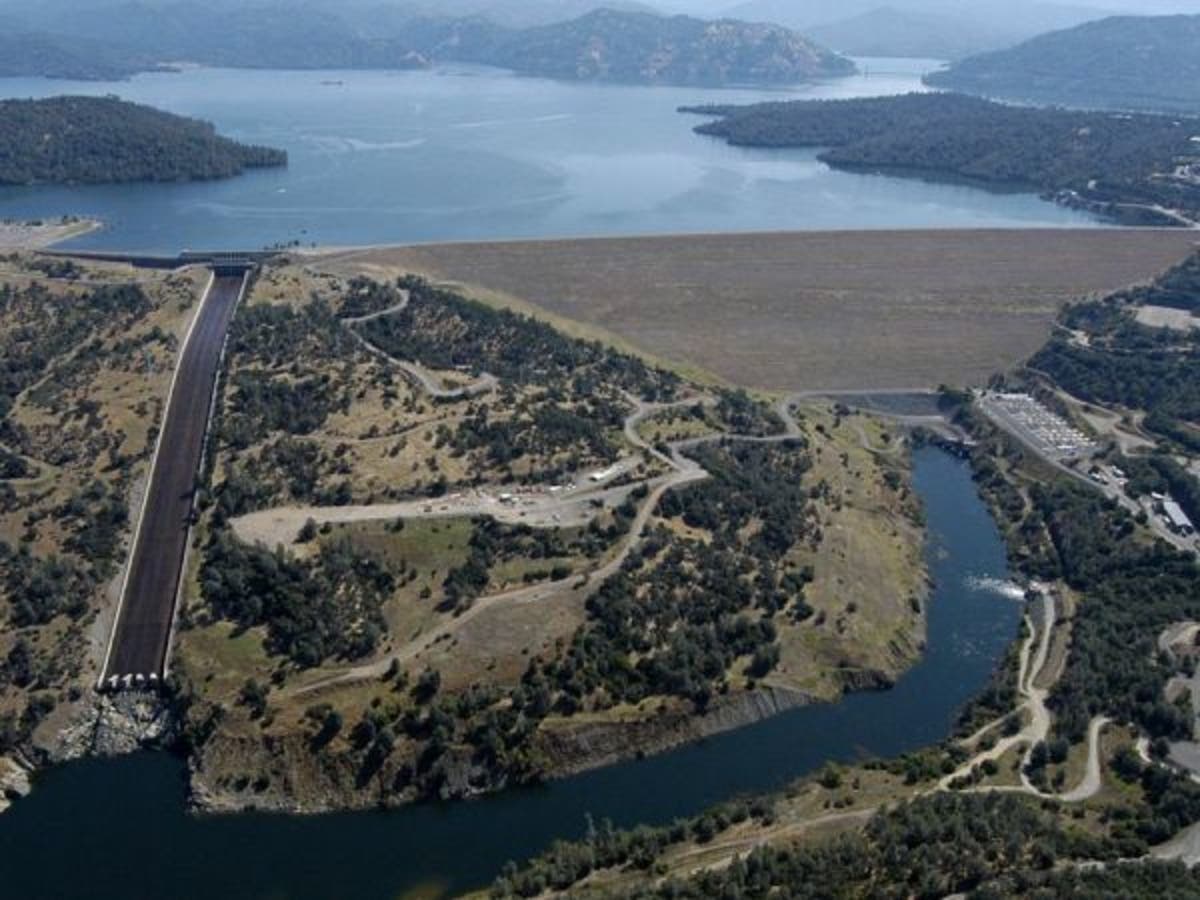
Dam safety in the state was highlighted in February when the spillways at Lake Oroville were damaged during heavy winter rains. Authorities evacuated nearly 190,000 people because of the resulting danger, but the dam held and water eventually receded.
Read also:
5 Things That Could Happen If California's Oroville Dam Breaks
Board of Supervisors to Review Dam Safety, Flood Control
Photo credit: California Department of Water Resources
Get more local news delivered straight to your inbox. Sign up for free Patch newsletters and alerts.