Business & Tech
Organic Composting is Good for Soil? Think Again, Says Gary Matsuoka
Think organic composting is good for your soil? Innovation and experience have taught Gary Matsuoka about horticulture.
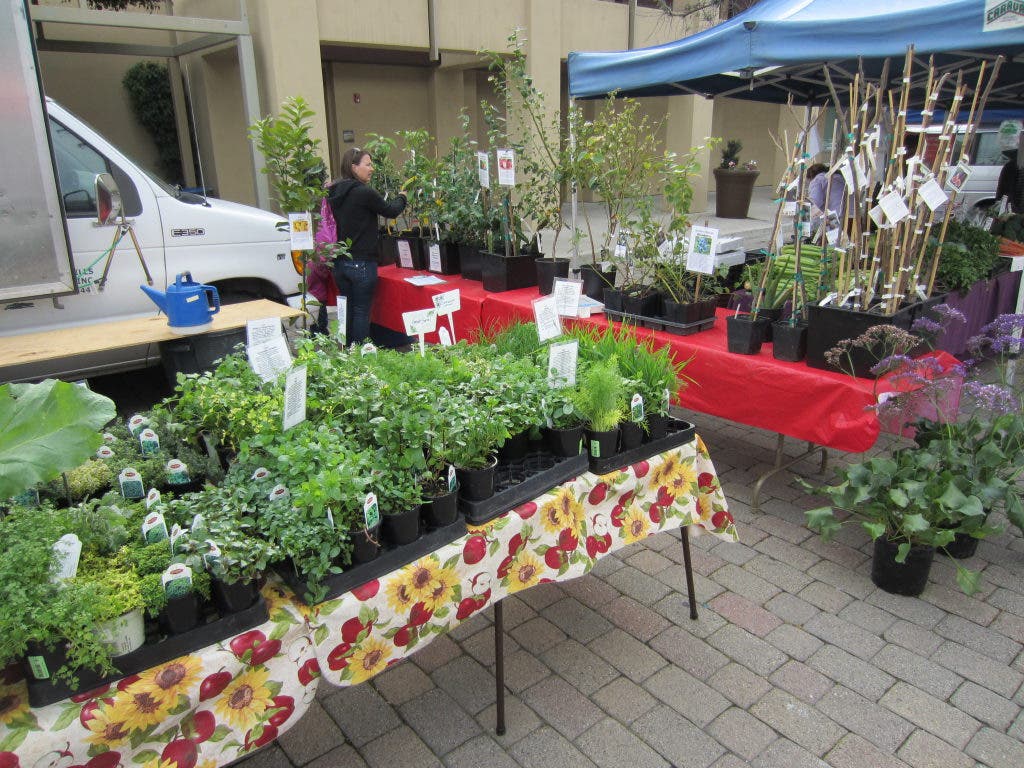


Armed with scientific know-how, Gary Matsuoka has closed up shop and hit the road to sell living plants at farmers markets.
Though he still uses the name Laguna Hills Nursery, the shop built by his father in 1969 on Jeronimo Road in Lake Forest closed up shop in 2010, Matsuoka said.
Now the owner is selling plants and throwing in free gardening lessons at nearby farmers markets, .
Find out what's happening in Mission Viejofor free with the latest updates from Patch.
So many plants are sold at Laguna Hills Nursery. There are bare-root fruit trees that might grow into an orchard. And there are herbs, ornamental plants, and plenty of soil to grow them in.
And if questions like the proper pH balance of your soil make you feel woozy, you can get advice from the owner.
Find out what's happening in Mission Viejofor free with the latest updates from Patch.
Matsuoka knows gardening requires a lot of know-how. And sometimes conventional wisdom has it all wrong. It took him around 30 years to convince himself that he was competently knowledgeable about the wide world of horticulture.
"Everybody is telling you that organic compost makes good soil," he said. "If you go to a real farm, you’ll see no compost because it kills the plants. We teach gardening differently from most places out there. Most will tell you how to do it in a way that doesn’t last very long."
Gary points at the palm tree next to the . He explains that most places only plant certain trees and bushes that can only survive in compost for longer. If natural elements were used, the scenery could have been different.
"If we used mineral soil we would see twice the variety of plants around us," explains Matsuoka. "They don’t know any better."
Organic compost and potting soils like Scotts Miracle-Gro might help plants grow in the short term, but as time passes, the compost will clog up the ground and prevent plants from having to breathe, Matsuoka said. Ultimately, the compost will hinder plants from receiving what they need most to survive—sun and water.
Because at the end of the day, plants are eating the sunlight and the water, not their soil, Matsuoka said.
Most people will keep buying trendy retail soil to sustain a garden, Matsuoka said. But the general public’s lack of knowledge is what’s keeping him in business, he said.
Gary Matsuoka has spent his whole life with plants. His father, George Matsuoka, started a nursery in Pasadena back in 1954, but in 1969 he bought eight acres of land in El Toro and opened Laguna Hills Nursery.
At first, Gary didn't want to be a plant man like his father. Wanting to be a science teacher since he was child, Gary studied bio-chemistry in college at the University of Texas.
But in 1979, Gary decided to become a nurseryman while studying at graduate school. Aside from having a lot of experience with horticulture growing up, Matsuoka felt his college studies helped him understand the basic functions of the plants. Also, life as a nurseryman seemed more appealing to him since it also requires a combination of science and teaching.
"I get to do a lot of teaching in the business so that fills part of it," Matsuoka said. "I like nature so that fills part of it. It’s not a repetitive business because the work changes every season."
With ailing parents, Gary and his wife Nancy took over the Laguna Hills Nursery in 1994. While meeting some success in the 90s selling a wide selection of roses, fruit trees and ornamentals, the poor economic environment in 2010 led Gary to close the shop down.
Ever since, each week the couple and their daughter have been working through farmers markets, hoping to open up at a new store in the future.
Most of the nursery’s inventory comes from the Matsuoka’s 6,000-square-foot yard with the exception of some of the trees, which were bought from other growers. While the economy hit his business hard two years ago, Gary shrewdly adapted to the economic climate to keep it alive. By selling more edible plants than ornamental plants, Gary catered to the public’s desire to buy necessities over luxuries.
"Economy’s bad, people plant what they can eat," said Gary. "Economy’s good, people plant what they can look at."
While his nursery knowledge has helped him adapt to new situations, his willingness to share his knowledge about gardening has won him new, loyal customers.
When customers come by his booth to decide what to buy, Gary isn't too concerned about how much he will sell. He's too busy teaching people how to grow a proper garden.