Community Corner
No Eclipse Glasses? Southlanders Make An Eclipse Viewers The NASA Way
Can't find eclipse glasses? It's time to go old school, NASA said. Southern California residents got creative with their viewers.


SAN JUAN CAPISTRANO, CA — Everyone is talking about the solar eclipse on Aug. 21, and for those who waited too long to buy eclipse-viewing glasses, you're still in luck.
Why the excitement? The last time the U.S. saw a total eclipse was in 1986. A solar eclipse happens when the moon passes between the sun and Earth and blocks all or part of the sun for up to about three hours. For the eclipse on Monday, the longest period when the moon completely blocks the sun will be about two minutes and 40 seconds.
In order to view a solar eclipse straight on, specialized glasses or viewers are a must!
Find out what's happening in Mission Viejofor free with the latest updates from Patch.
Eye Protection Is Critical For Viewing The Solar Eclipse
The sun outputs more energy than our eyes can handle. Exposing our eyes to that strength of power can damage the retina. It is also dangerous because the sun can come out from behind the moon before you have a chance to look away, flooding the area with powerful, bright rays.
Find out what's happening in Mission Viejofor free with the latest updates from Patch.
In southern California, Patch readers sent in their viewer photos. By 9 a.m. Monday morning, the store shelves were empty, libraries, museums and conservatories handed out the last of their supply, and Amazon reportedly sold a pair of glasses for $900!
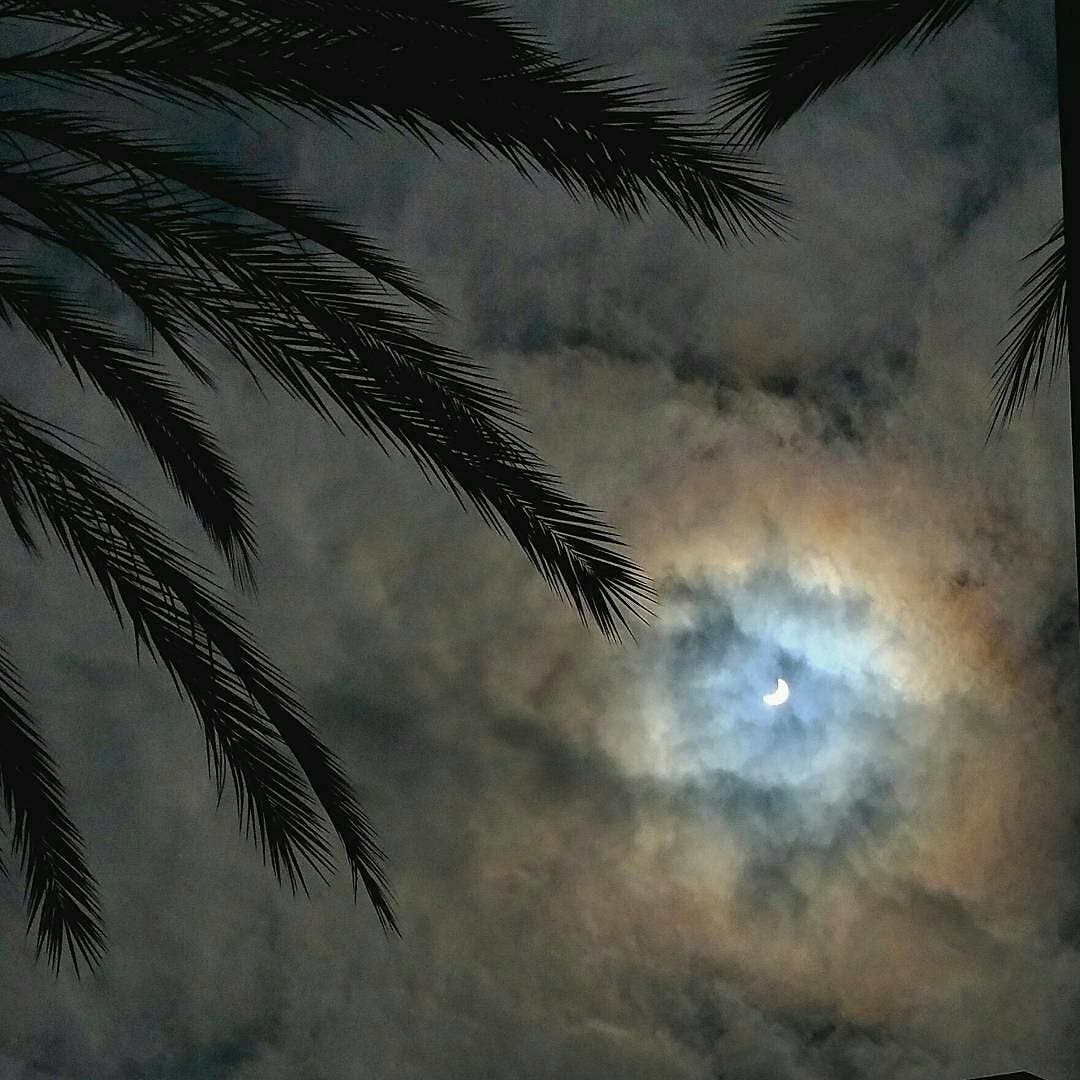
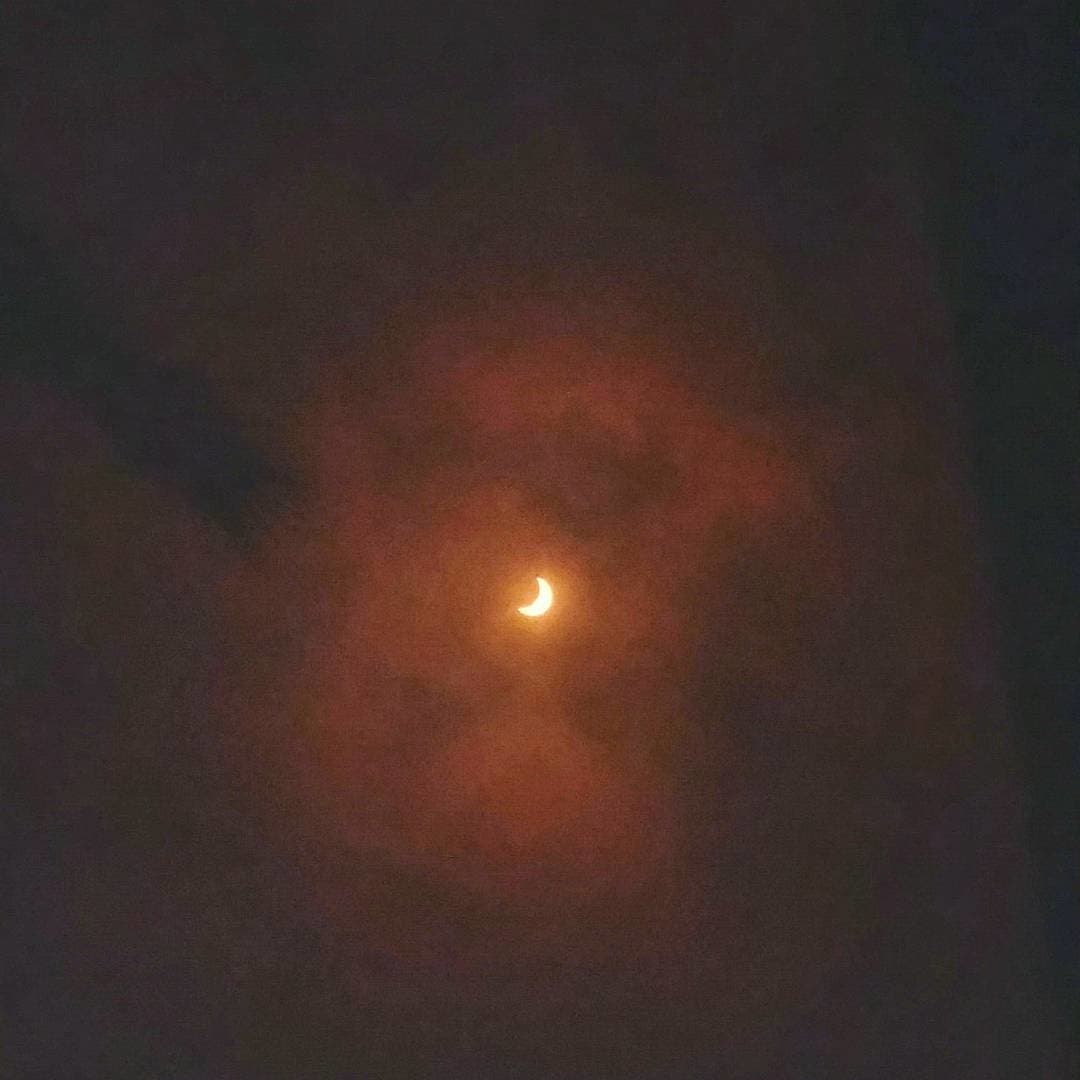
The clouds themselves added a nice little filter that surprised many southlanders. Southern California resident Leslie Kaplan was out walking her dog, on a foggy morning, not expecting to see much of the eclipse.
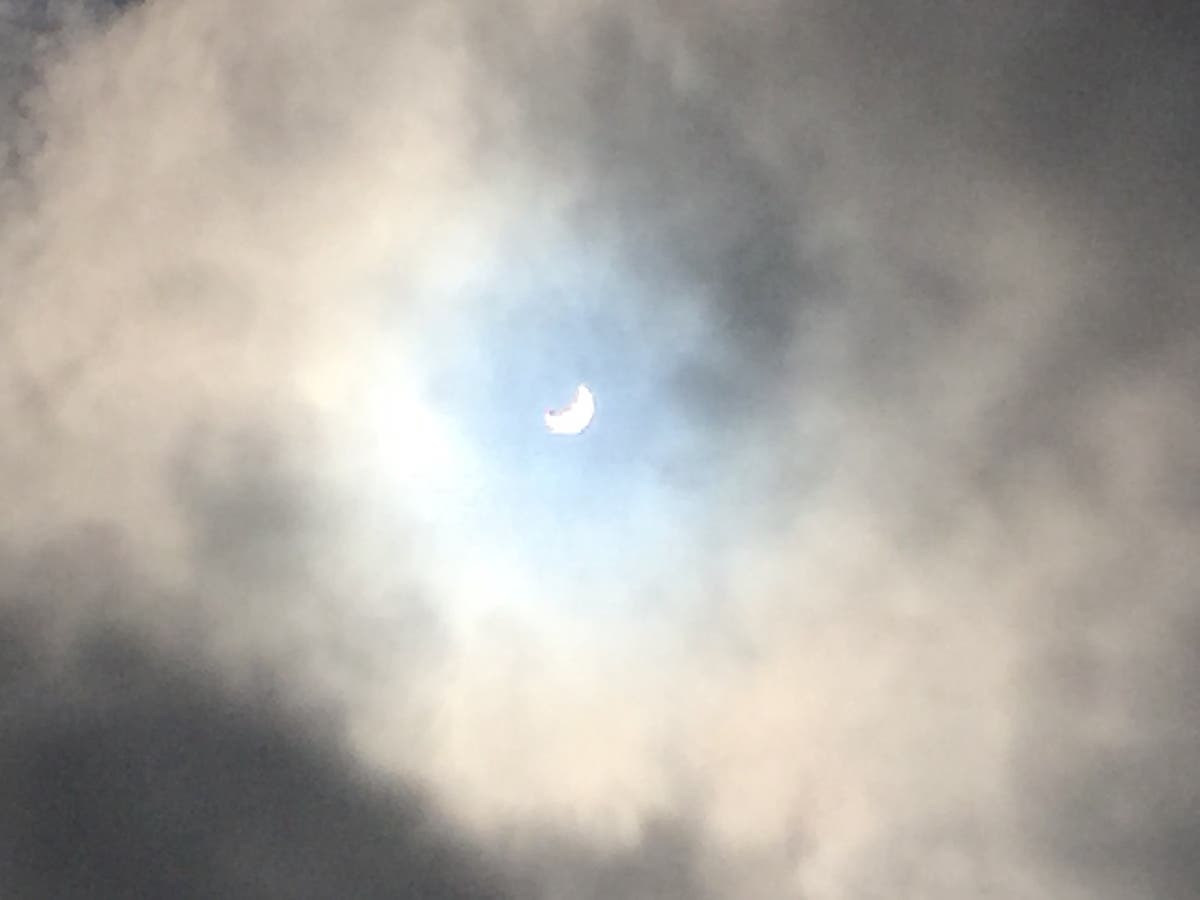
"I was walking my dog and got a lucky glimpse when there was a break in the clouds!" she said of the lucky picture.
For those without the marine layer as a filter, families grabbed shoeboxes, cereal boxes, tinfoil, tape and scissors and make their own solar eclipse devices. NASA has put together a great video showing how easy it is to make your own viewing device to watch the eclipse. This is the perfect way to view the solar eclipse and spend time with the family!
Can't get solar viewing glasses? You can view #Eclipse2017 by building your own pinhole projector. Safety first! https://t.co/gEh5ycEo6g pic.twitter.com/xYbiF21ZvT
— NASA (@NASA) August 21, 2017
If you had access to a 3-D printer, you could make yourself a pinhole viewer like this one.
Have access to a #3DPrinter? See #Eclipse2017 through a pinhole projector that you can print. Download now: https://t.co/upKZTjCNzH pic.twitter.com/IWABD4eHmF
— NASA (@NASA) August 21, 2017
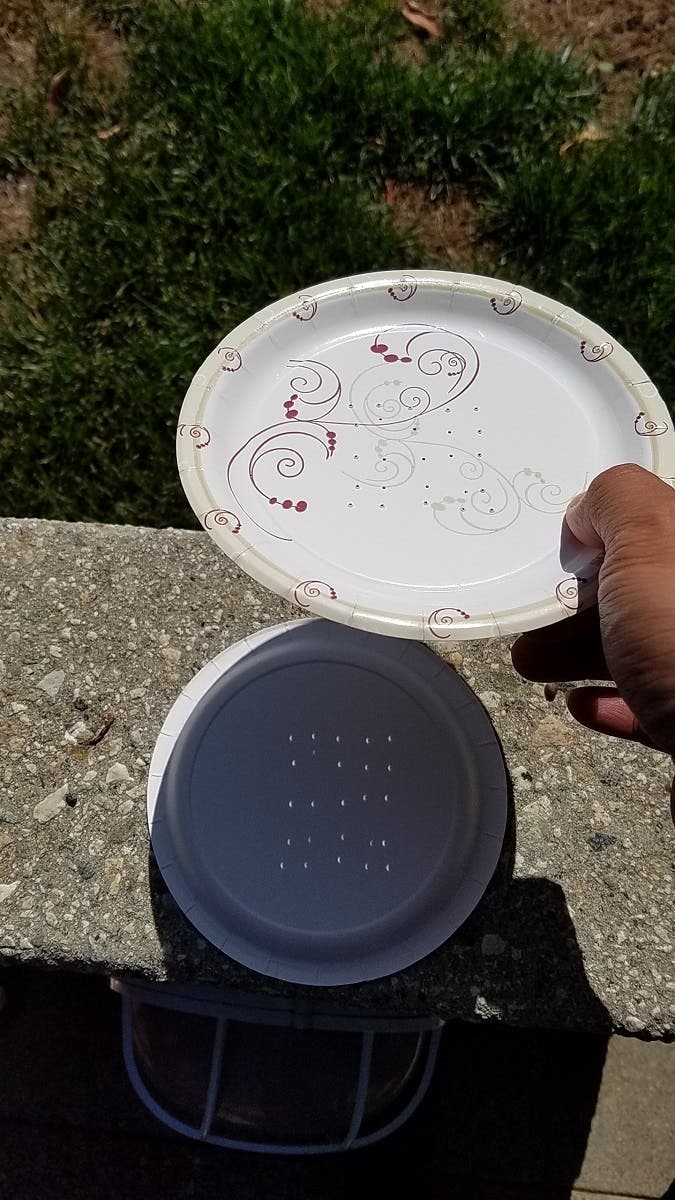
Or, if you have a piece of paper and a thumbtack, you can create one on the fly, like Oliver Chang.
He made this viewer out of two paper plates. "It wasn't pretty, but it sure worked well," Chang said.
Another unexpected way to see the eclipse was in nature. Palm trees across southern California showed a spattering of crescent shaped suns for those savvy enough to find them.
Send your eclipse photos to ashley.ludwig@patch.com to be entered in Patch's Photo of the Week contest!
Photos, courtesy Alicia Napier, Oscar Chang, Lisa Kaplan
Get more local news delivered straight to your inbox. Sign up for free Patch newsletters and alerts.