Community Corner
A Brief History of Monrovia Days
Monrovia will soon celebrate its annual remembrance of the founding of the city.


From the time that the town of Monrovia was founded on May 17, 1886 (this was the date that lots in the city first went up for sale), the town fathers and those who came afterwards sought fit for the city to celebrate its anniversary as a town.
The first “celebration” was a simple gathering of residents to talk over old times and speak of how far the town had progressed in one year. When the third anniversary rolled around, the organizers decided to mark the occasion by an “arbor day,” where trees were planted throughout the community. That evening, cake and ice cream was served at 154 a plate.
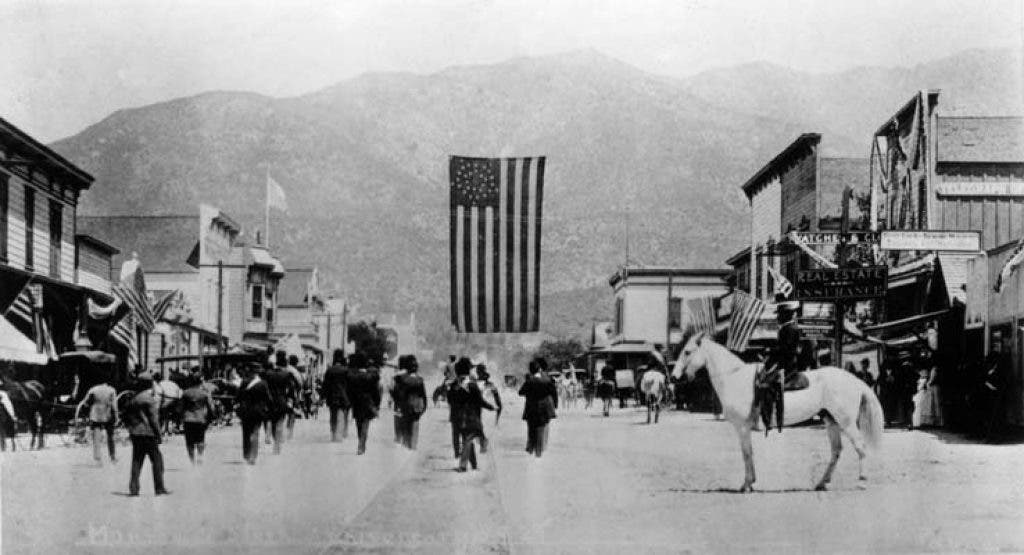
The first parade occurred in 1890, financed by A.E. Cronenwett who was the proprietor of the La Vista Grande Hotel of Monrovia, at the time one of the finest hotels in the San Gabriel Valley. Since then most Monrovia Day celebrations have included a parade, and in fact the parade soon became the principal focus of the town’s birthday observance.
Find out what's happening in Monroviafor free with the latest updates from Patch.
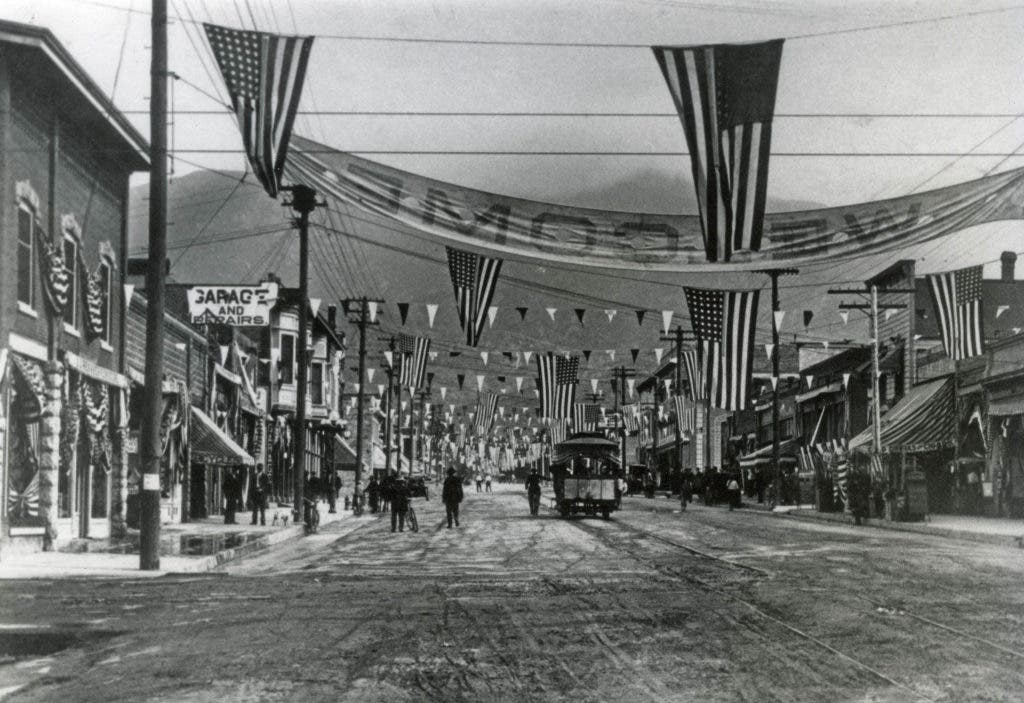
Early parades featured prominent citizens riding decked out horses and clowns providing some comic relief. By 1911, when the celebration was held for the twenty-fifth time, it featured flags and bunting placed throughout the business district. The parade that year consisted of 125 entries and was over a mile long with William Monroe, the founder of Monrovia, serving as the Grand Marshall.
1912 saw Florence Kelly crowned the first Monrovia Day Queen as she was selected by public vote. Two years later voters had to pay 104 to cast a vote. During World War I, William Jennings Bryan, a three-time unsuccessful Democratic candidate for President of the U.S., was the main orator for the 1917 celebration. Automobiles took center stage in the 1920 parade, and there were fifty of them participating in the event which took place on May 15, the first time that the celebration deviated from the May 17 date.
Find out what's happening in Monroviafor free with the latest updates from Patch.
The 1923 celebration featured 10 year-old Queen Dorothy Backman, accompanied up by her court which also consisted of children, an appropriate change from the tradition of older queens since children had always been an important element of the pageantry. They were once again the emphasis in 1926 when 4,000 children were in the parade.
An old timer’s luncheon (old timer was defined as someone who had lived in Monrovia prior to 1900) drew 275 people for the 1931 observance. These luncheons continued to be popular through the 100th anniversary celebration. Other popular activities during the annual event in addition to the parade were breakfasts hosted by service clubs, fairs, and dances. The tour of vintage homes became a part of the festivities when it was first held in 1983 and has taken the role as leadoff event for what is now a week-long celebration.
William Monroe served as an honorary Grand Marshall in 1933 and headed the parade in 1934, but his last association with the festivities was in 1935 as he passed away in December of that year at the age of 94. TV stars were often picked to head the parade, among them William Boyd (Hopalong Cassidy) in 1940 and Richard Boone (Palladin) in1958.
There was no official celebration from 1942 to 1945 due to World War II. In 1948 50,000 spectators viewed the mile and a half march, and the crowd grew to 65,000 people by 1950. The 1956 parade was over 3 hours long. In 1961 30,000 attended the diamond jubilee (75 yrs) celebration. Monrovia observed its 90th birthday in 1976, the same year that the nation celebrated its Bicentennial. But the longest parade ever occurred in 1957 with 150 entries. For the 100th anniversary in 1986 there were 115 parade entries.
This year Monrovia will celebrate anniversary number 126. Children of parents serving in the Armed Forces – Blue Star Families – will be honored as part of the festivities.
Much of the information for this article was taken from The History of the Monrovia Day Parades by Mary Wilcox, a 1986 souvenir program of the centennial celebration (soft cover, 36 pages). Copies are still available at the Monrovia Historical Museum, 742 E. Lemon Ave, on Thursdays and Sundays, 1-4 p.m. Cost of the program is $10.