Community Corner
Inside the Anderson House Museum
The story behind Monrovia's "other museum" and its current status.
Many Monrovians are aware of the , located in Recreation Park and housed in what was originally the city’s plunge.
Long-time residents have watched it develop into what is today one of the San Gabriel Valley’s most dynamic and comprehensive local museums, achieving that status under the guidance of curator Mark Still and the museum board. Not as well known, though, is the existence of the city’s other museum, the Anderson House Museum, and its evolution from a private residence. So for all those inquiring minds, here is its story.
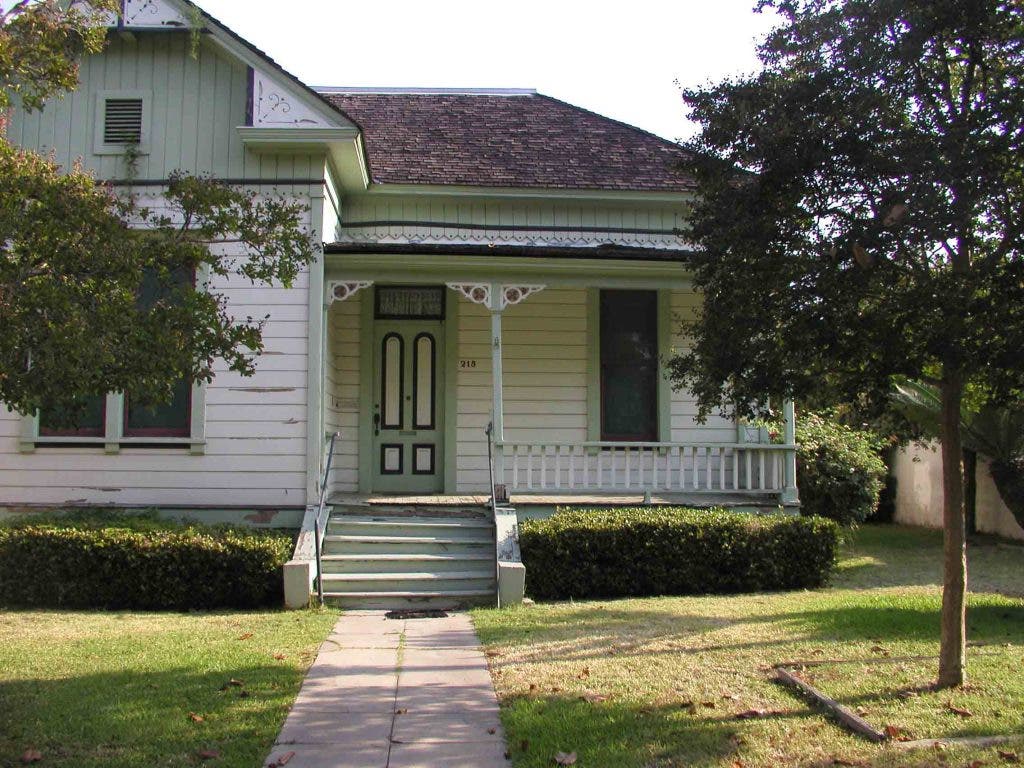
In 1886, William Mills hired John C. Anderson, formerly of Ohio but living in Los Angeles, to build Monrovia’s first hotel (it was called the Monrovia Hotel but was also known as the Wisteria). At the same time, Anderson built a home for his family at 215 E. Lime Avenue, and it was in this home that his son George lived from childhood until his death in 1974 at the age of 87.
Find out what's happening in Monroviafor free with the latest updates from Patch.
Because Anderson refused to sell the house and property in 1960 to a local company which planned to use the space as a parking lot, the house has survived.
In George Anderson’s will, dated February 6, 1970, the home was deeded to the California Community Foundation (with Security Pacific National Bank as trustee), a public charitable trust fund, so that his estate “…could benefit the people of California” after his death.
Find out what's happening in Monroviafor free with the latest updates from Patch.
About that time the Friends of the Monrovia Library was looking to purchase a home to provide Monrovians with a glimpse into life in Monrovia around the turn of the 20th century. The Anderson House was ideally suited for this purpose, so in 1975 the home was purchased by the Friends with a grant of $9,500 from the Community Foundation.
Years of deferred maintenance had left the house in need of significant restoration. Under the leadership of Brice Tulloss, repair work began and was successful enough that the project won recognition from the National American Bicentennial Committee. But as time went by, the restoration of the house was consuming more and more energy and resources of the Friends, leaving less time for their work in support of the library.
In 1979, the Monrovia Historical Society was created to assume ownership and maintenance of the Anderson House. In addition, the Society sought “…to collect, preserve, and display pictures, newspapers, artifacts and other printed material pertaining to the history of Monrovia.”
It was always the goal of the Friends and, later, the Society to have the interior of the house look as a late Victorian home of the time would appear. When former city historian Myron Hotchkiss passed away in 1989, the contents of his house passed to the Society. However, only a few historical items of Myron’s were placed in the Anderson House. The rest of his belongings were sold to generate revenue for the fledging organization.
Current has almost single-handedly carried the load of responsibility for the museum’s upkeep over the years. The Monrovia Historic Preservation Group’s annual contribution of $1,000 helps with routine expenses and minor repairs. Recent maintenance work (exterior painting and repair of the porch) has spruced up the outside, but volunteers are currently needed to assist with reorganizing the interior and to act as docents for those visiting the house.
Interested individuals can contact Steve Baker through the Monrovia Historic Preservation Group website (www.mohpg.org).
Museums have always played a significant role in preserving artifacts and information from an earlier time. It remains to be seen if the community of Monrovia will deem the Anderson House’s continued existence worthy of support.
A special thanks to MOHPG historian Pam Barkas whose collection of documents and newspaper articles contributed to the factual information in this article. Also contributing information was President of the Monrovia Historical Society Steve Baker.