Health & Fitness
Blog Post: Some Things to Consider Before Purchasing a Distressed Property
So, you want to buy a financially distressed property? Some things to take into consideration beforehand.
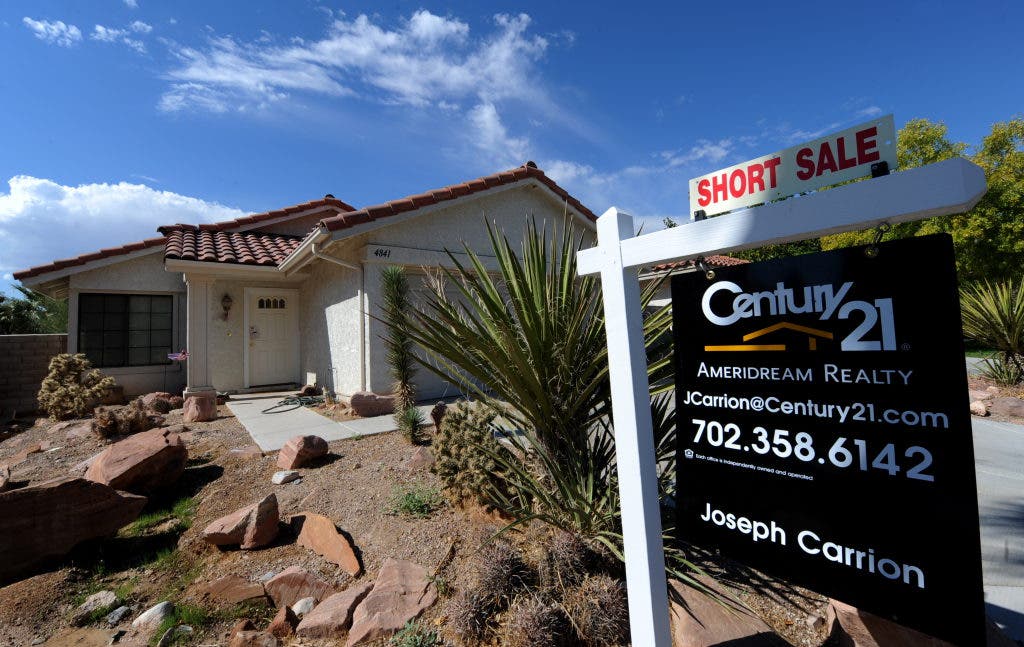
Many people ask the question, what are the ramifications of purchasing a financially distressed property such as a short sale or foreclosure?
A short sale is when the owner is selling their property for less than they owe to the bank. The bank needs to approve the sale, as they are the ones realizing a loss for the property.
An REO (Real Estate Owned) or Foreclosure is a property in which the last owner has defaulted and went through the foreclosure process. The property has gone through the process of default on the loan, been sent to auction, and if not purchased by an all cash buyer at the county auction, it comes back on the market at some point with an REO agent as a foreclosure.
Find out what's happening in Moorparkfor free with the latest updates from Patch.
What are the main differences when looking at purchasing a short sale vs. a foreclosed property? Following are examples of some of the most common types of differences:
Length of the escrow - Whereas a Foreclosed property could go through escrow in 14-60 days, depending on how the property is going to be financed, a short sale escrow could take months and there are even stories of short sales that have taken years! The California Association of Realtors has been lobbying for a quicker process over the past couple of years, and some steps have started to facilitate a more automated process of getting help quicker for the consumer and the Realtors. However, there are still frustrations that can take place. Be prepared mentally going into the transaction that there may be speed bumps, but with the right realtor(s), and some persistence, the right outcome can happen for you.
Find out what's happening in Moorparkfor free with the latest updates from Patch.
Cost - The perception is that distressed properties are a good deal, and this is the case sometimes. However, when buying a short sale property, note the sellers are in a financially distressed state and as such, often cannot pay for things such as closing costs, home warranties and most all other costs associated with the transaction. As such, it is either up to the bank to cover these costs or the buyer will pick up these costs, adding to the cost of the transaction for the buyer on top of the purchase price.
For a foreclosure, there may or may not be more latitude, depending on the property. As well, in many cases, I have seen the banks are allowing funds for the repair of certain items on the property before being put on the market for sale, to make it a move-in ready situation (instead of the buyer having to pay for such items after the sale). This brings us to the next consideration:
Condition of the property - One thing foreclosures and short sales have in common is that financially distressed owners lived in the property without the necessary funds to put into the maintenance and/or repair of the property. Make sure this is taken into consideration when purchasing either type of distressed property and get a home inspection, always! You might have to budget a significant amount of $ for all of the possible types of home inspections needed, but the $500-$1000 is worth the peace of mind of knowing what you are getting into. This is the reason we have a buyer's investigation contingency, so you have the ability to remove yourself from the transaction should the inspections reveal the property requires too much work to take on.
Good luck house hunting!
— Maryann Baum, SFR is a Troop Real Estate Realtor. Contact her at 805-708-6454 or mbaum@troop.com or follow her on Facebook here.