Health & Fitness
Mosquito Eradication Ops Planned Thursday Near Hemet
Anti-mosquito spraying involves the use of chemicals approved by the U.S. Environmental Protection Agency.

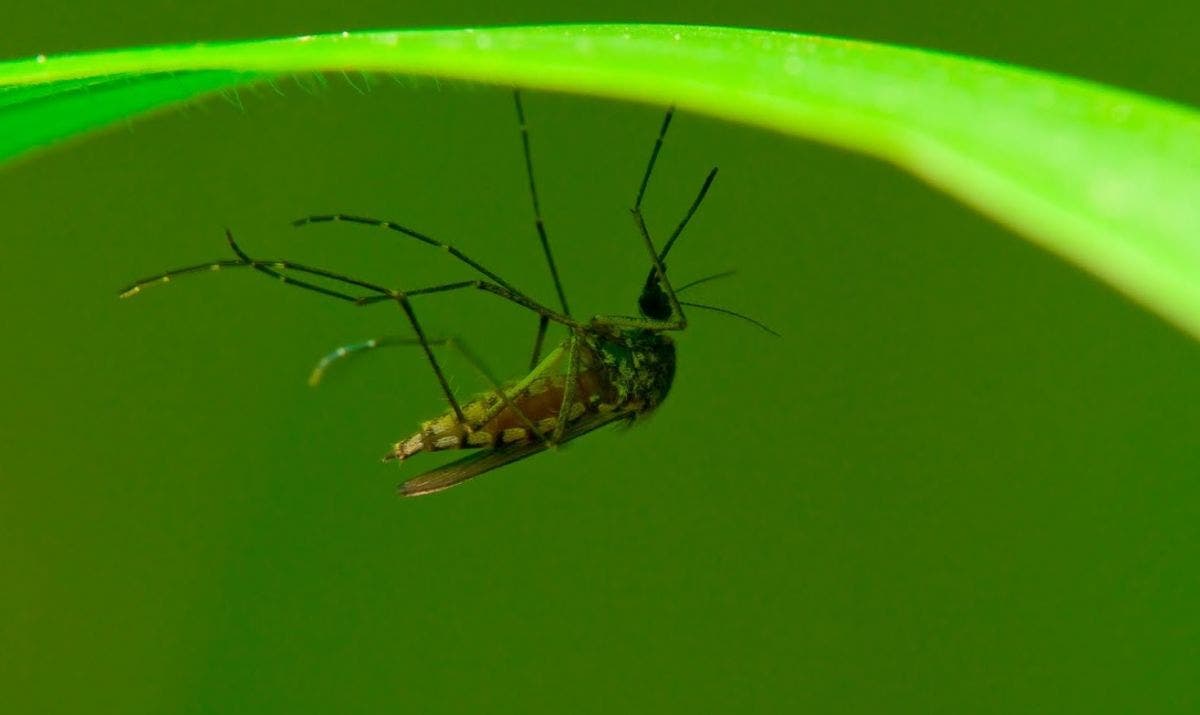
HEMET, CA - Mosquito eradication operations are planned Thursday in the unincorporated area just east of Hemet, where the pests are raising public health concerns.
According to the Riverside County Department of Environmental Health, crews will be conducting "ultra-low volume" spraying Thursday morning in multiple locations throughout Valle Vista and East Hemet.
Agency spokeswoman Dottie Merki said Aedes aegypti mosquitoes, which are capable of carrying and transmitting yellow fever, were netted in the area recently. She added that none of the mosquito samples have tested positive for yellow fever, chikungunya or Zika.
Find out what's happening in Murrietafor free with the latest updates from Patch.
West Nile virus, however, has shown up in samples in the Hemet and San Jacinto valleys.
Spray treatments are scheduled between 5 a.m. and 7 a.m. along Girard and Stanford streets, as well as in the area of Lomas Street and Collegian Way, Palm Avenue and White Oak Drive, Chicago Avenue and Fore Drive, and Fairview and Mayberry avenues.
Find out what's happening in Murrietafor free with the latest updates from Patch.
Anti-mosquito spraying involves the use of chemicals approved by the U.S. Environmental Protection Agency. Pesticides are emitted as a mist dispersed from machines anchored in the backs of pickup trucks.
Merki recommended that during the operations, residents stay indoors and keep windows closed until at least 15 minutes after the trucks have left.
Anti-mosquito spraying has occurred over the last few months in Beaumont, Cathedral City, Coachella, Eastvale, Lake Perris, Mecca, Moreno Valley, Murrieta, Riverside and San Jacinto.
A half-dozen human West Nile virus infections have been reported in Riverside County this year. Statewide, a total 388 WNV infections have been recorded, resulting in 17 fatalities, according to the California Department of Public Health.
Mosquitoes typically become carriers of the virus after feeding on an infected bird and can then spread the potentially lethal strain to animals and humans. Those at greatest risk include seniors and individuals with compromised immune systems.
Symptoms may never materialize, but can include fever, headache, nausea, body aches, skin rashes and swollen lymph nodes.
Mosquito season in Southern California generally spans the months of May to October. To reduce exposure to West Nile, residents are urged to:
- spend as little time as possible outdoors at dawn or dusk, when mosquitoes are generally on the move;
- wear pants and long-sleeved shirts during outdoor activity;
- use insect repellent;
- ensure door and window screens are fitted properly to keep bugs out; and
- get rid of standing water, aside from pools properly treated with chemicals.
Anyone with concerns about WNV can call the Department of Environmental Health at (951) 766-9454.
– By City News Service / Image via Shutterstock