Politics & Government
Mountain Lions In Riverside, San Bernardino Counties Get Protected Status
More than 1,400 mountain lions will get new protection in the state.


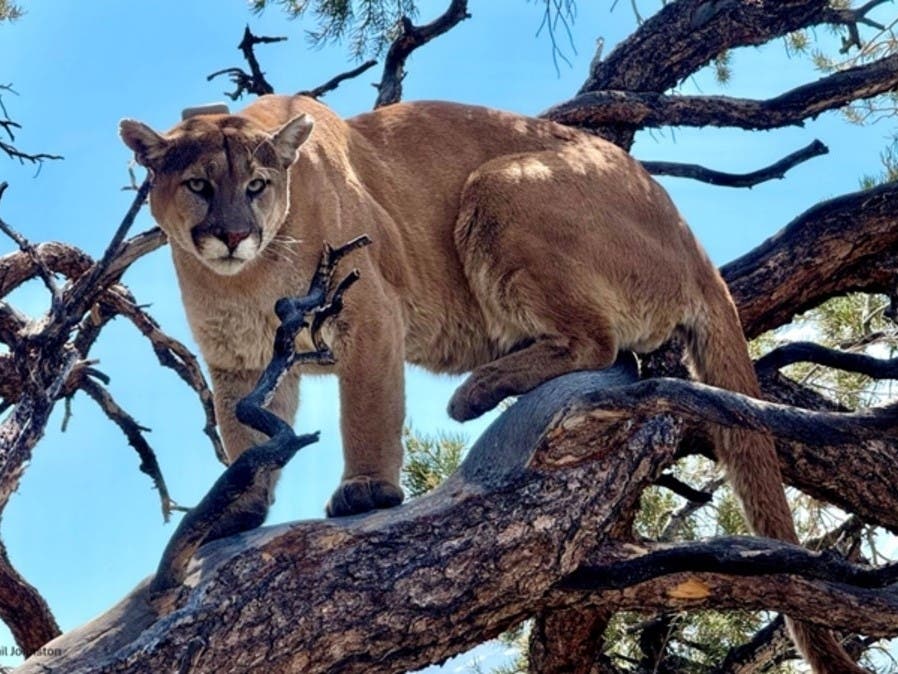
INLAND EMPIRE, CA — Mountain lions living in and near the Inland Empire are now protected by the state’s Endangered Species Act.
On Thursday, Feb. 12, the California Fish and Game Commission unanimously voted to list six isolated mountain lion populations in Southern California and the Central Coast as "threatened." The new designation means the pumas are likely to become endangered in the foreseeable future and require protective measures to prevent further decline.
Mountain lions in the Santa Cruz Mountains, Central Coast, Santa Monica Mountains, San Gabriel and San Bernardino mountains, Santa Ana Mountains, and Eastern Peninsular ranges are now protected under the act.
Find out what's happening in Murrietafor free with the latest updates from Patch.
Southwest Riverside County is ringed by the Santa Ana Mountains and Eastern Peninsular ranges, while the San Gorgonia Pass Area sits near the San Bernardino mountains and the Eastern Peninsular ranges. Just west of the Coachella Valley lie the Eastern Peninsular ranges.
More than 1,400 mountain lions will get protection under the new provision, but big cats in California's northern mountain communities were not granted the same protection because they are faring better than their southern relatives. In total, the Golden State is home to roughly 4,172 mountain lions, according to wildlife officials.
Find out what's happening in Murrietafor free with the latest updates from Patch.
During Thursday's public meeting, Commissioner Erika Zavaleta said the Southern and Central California lions aren’t facing imminent extinction, but they could in the near future.
"I believe it’s better for us to take action before we get to that point," she said.
The Southern and Central California lions are losing genetic diversity due to habitat loss and also face other dangers, such as raging wildfires, rodenticide poisoning, and collisions with vehicles. Scientists and conservationists believe Thursday's action was needed to give the pumas a chance at survival.
For nearly a decade, the Center for Biological Diversity and the Mountain Lion Foundation petitioned the commission to consider listing the lion populations. The new protection provides a legal mandate for state agencies to protect the cats, gives wildlife officials the authority to develop a recovery plan, and requires proposed developments near lion habitats to be more wildlife-friendly, according to the Center for Biological Diversity.
For example, future efforts could include constructing more wildlife crossings and imposing stricter restrictions on rat poison.
Still, it’s going to take decades to restore genetic diversity among the small, isolated populations of mountain lions living in the state's southern areas, said Daniel Applebee of the California Department of Fish and Wildlife. The lions will need to reach other nearby populations in order to mate.
Supporters of the new protection include the National Wildlife Federation, the San Diego Humane Society, Citizens for Los Angeles Wildlife, the Los Padres Forest Watch, and Project Coyote, among others.
Opponents are the California Farm Bureau, the California Cattlemen’s Association, the California Deer Association, the California Bowmen Hunters/State Archery Association, and the California Four Wheel Drive Association. Some contend the lions are a menace because they prey on livestock and pets, and threaten human safety.
California’s pumas had certain protections prior to the new listing. In 1990, the state's voters approved Proposition 117, which designated mountain lions as a "specially protected species," meaning they cannot be hunted for sport.
Get more local news delivered straight to your inbox. Sign up for free Patch newsletters and alerts.