Crime & Safety
Diver Rescued after Two Days, Taken to Hoag Hospital, U.S. Coast Guard Says
"He spelled out S-O-S with debris and shot off two flares with no visibility," the Coast Guard said.


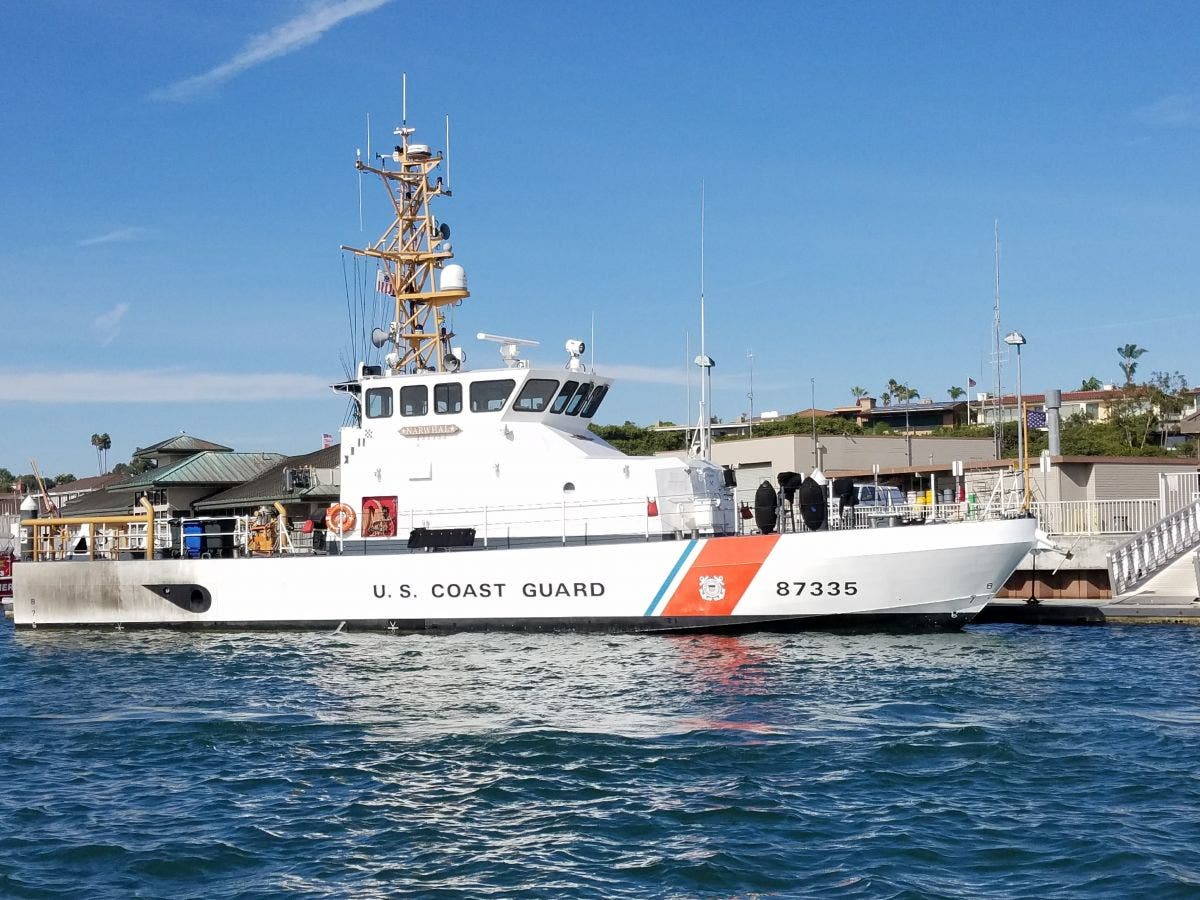
DANA POINT, CA — A diver who sailed from Dana Point toward Catalina Island, missing since Wednesday, was located late Thursday according to the U.S. Coast Guard.
The U.S. Coast Guard Friday rescued a diver who was stranded for more than 40 hours on the back side of Catalina Island. The man, whose name was withheld, was reported to be experiencing symptoms of hypothermia and dehydration, SondraKay Kneen of the Coast Guard said.
The Coast Guard received a call at 10:45 p.m. Thursday reporting that a person aboard a 38-foot sailing vessel had departed Dana Point at 7 a.m. Wednesday and was headed to Catalina Island to dive but hadn't been heard from.
Find out what's happening in Newport Beach-Corona Del Marfor free with the latest updates from Patch.
A helicopter crew and a search boat set out to look for the 50-year-old man about 6 this morning, and spotted him about an hour later, said Kneen.
"The helicopter crew located the individual on the back side of Catalina Island wearing a black dive suit and waving an orange life jacket," Kneen said. "A Coast Guard rescue swimmer was lowered, and the individual was safely hoisted and taken to Hoag Hospital in Irvine."
Find out what's happening in Newport Beach-Corona Del Marfor free with the latest updates from Patch.
"The diver reported to the rescue crew that he anchored his vessel Wednesday afternoon and, after coming up from his second dive, his vessel had drifted out to sea," Kneen said.
"He attempted to swim after the vessel and realized it was best to swim to shore," she said. "He made it to shore around 2 p.m. Wednesday, and had zero contact with anyone since. He reported to had spelled out S-O-S with debris and shot off two flares with no visibility."
Kneen reminded divers to follow these basic safety tips:
- always dive with a partner in close proximity;
- plan your dive, and "dive that plan";
- dive within your limits;
- look at and double-check your gauges regularly;
- test new equipment in a controlled environment;
- verify the safety of your equipment; and
- have a signaling device to communicate distress on the water.
Also, keep track of weather and water conditions, which can quickly change. Current conditions and forecasts are available at www.weather.gov
And make sure to file a "float plan."
"A float plan is simply letting family and friends know where you are going and your expected time of return," Kneen said. "File a float plan with someone who is not getting underway with you and stick to the plan. If you change plans, contact the person."
City News Service aided with this report, Renee Schiavone photo
Get more local news delivered straight to your inbox. Sign up for free Patch newsletters and alerts.