Crime & Safety
Murder Verdict For Man Who Gunned Down Newport Urologist
A Lake Elsinore Man was convicted of first-degree murder of a Newport Beach Urologist. Now the jury will decide if he was sane at the time.


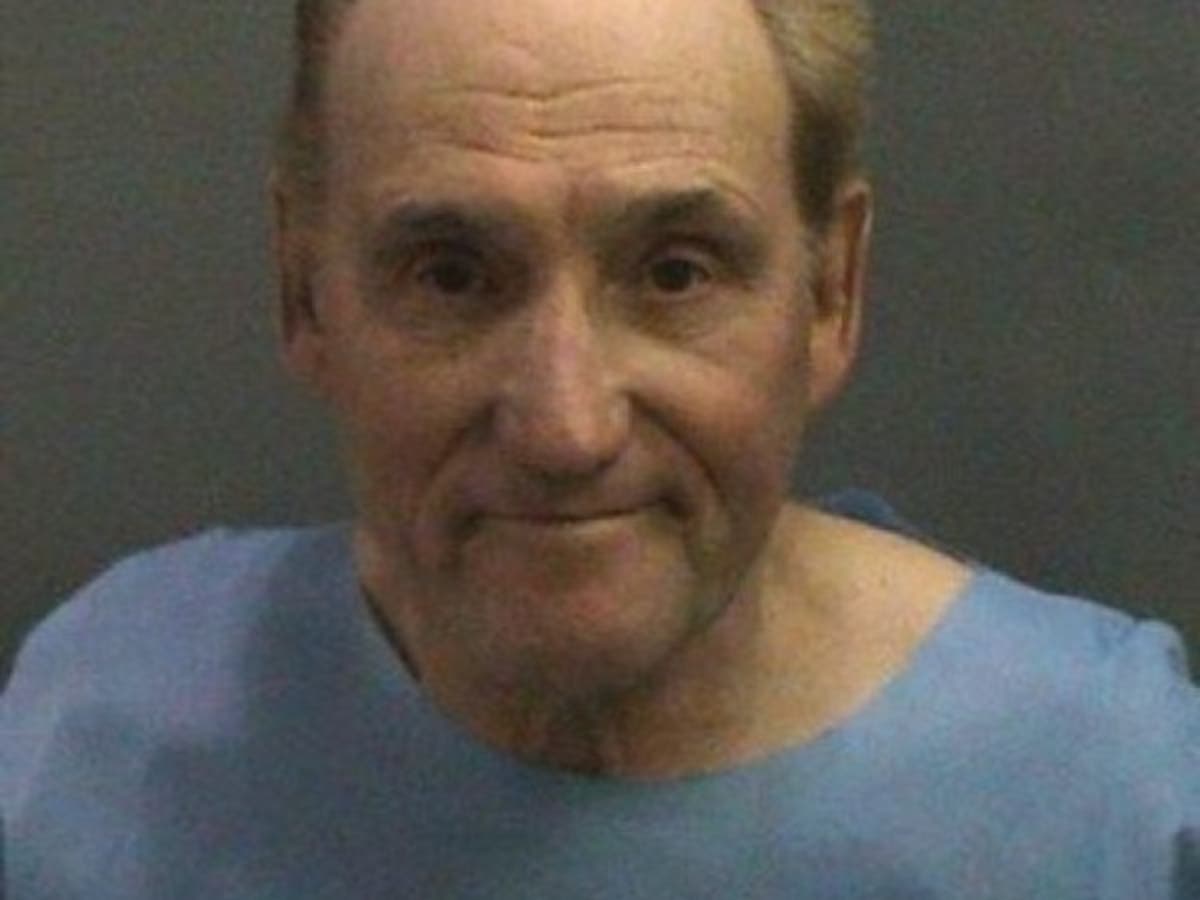
NEWPORT BEACH, CA — A conviction was handed down in the 2013 shooting death of a Newport Beach doctor. The 79-year-old Lake Elsinore man on trial for the shooting was convicted of first-degree murder Monday for gunning down a Newport Beach physician he blamed for a routine surgical procedure performed decades ago that he claimed left him impotent and incontinent.
Jurors deliberated for about 40 minutes before convicting Stanwood Fred Elkus of killing Dr. Ronald Gilbert on Jan. 29, 2013. They also found true a sentencing enhancement allegation of personal use of a gun and a special circumstance allegation of lying in wait.
Jurors will return to court Tuesday morning to consider evidence in the second phase of the trial, since Elkus pleaded not guilty by reason of insanity. If jurors determine Elkus was insane at the time of the crime, he will be sent to a mental health facility indefinitely. Elkus could petition at some point that his sanity has been restored and he is deserving of release.
Find out what's happening in Newport Beach-Corona Del Marfor free with the latest updates from Patch.
If jurors reject the insanity claim, Elkus will be sentenced to life in prison without the possibility of parole.
In court Monday, Elkus drew rebukes from Orange County Superior Court Judge Patrick Donahue and the defendant's own attorney for insisting that he be given a chance to talk to the jury.
Find out what's happening in Newport Beach-Corona Del Marfor free with the latest updates from Patch.
"I want to talk to them," Elkus insisted, prompting his attorney, Colleen O'Hara, to say, "Stan, shut up. Shut up."
Donahue jumped in and added, "Mr. Elkus, you've got to be quiet. This is not a forum for you to speak about whatever you want to talk about."
The defendant's outbursts came before jurors were led into the courtroom for the reading of the verdicts, and again after they left.
Elkus spent five months in the U.S. Marine Corps in 1956, which allowed him access to Veterans Administration health care, "which he took advantage of a lot," Senior Deputy District Attorney Matt Murphy told jurors at the trial's onset.
In 1992, when he was 54, Elkus -- a barber -- made appointments with multiple doctors, complaining of urinary problems, Murphy said. One of the doctors he consulted with was Gilbert, who was a young resident at the time, he said.
Elkus was diagnosed with urethral stricture, a narrowing of the urinary tract, so doctors recommended a routine surgical procedure to correct it, Murphy said. Part of the procedure involved the placement of a catheter so the urethra could heal around it. Elkus, however became so "fixated on the idea he may die" during the procedure that a social worker was assigned to talk to him, the prosecutor said.
The surgical procedure went "smoothly," but Elkus refused to leave the hospital and threatened to pull the catheter out if he was forced to go, Murphy said. He finally agreed to leave on Sept. 3, 1992, but returned days later to demand the catheter be removed even though he was told it must stay in place for two weeks.
The doctors finally complied with his request, but it led to Elkus "blaming all of his problems on this procedure" for decades afterward, Murphy said. Though Gilbert wasn't one of the doctors who performed the surgery, he was listed as the doctor responsible for the patient on hospital forms, the prosecutor said.
The defendant went to doctor after doctor, complaining about how the procedure ruined his sex life, and also wrote letters to doctors saying he wished they would die, the prosecutor alleged.
In 2010, Elkus "begins making plans," Murphy said, telling jurors the defendant created a living trust to benefit his sister should he die, become incapacitated or "becomes incarcerated."
In December 2012, he bought a gun, and the next month he went to Gilbert's office and was told he had to make an appointment, so he filled out forms using a fake name of Allen Gold and included other false identifying information, Murphy said.
On the day he returned, he was ushered into an examination room to await the doctor. When Gilbert walked into the room, Elkus "pulled out the gun and proceeded to shoot him 10 times," continuing to fire even when the physician was on the floor, Murphy said.
When other doctors and employees burst into the room, Elkus said, "I'm insane. Call the police," according to the prosecutor.
O'Hara said her client's brain has significantly deteriorated to the point that he is at one percentile of the cognition of others his age. In a hearing in January of this year, Elkus told the judge presiding over his case that he has a brain tumor.
"His mental health issues started when he was young," O'Hara said, telling the jury her client had polio when he was 7 and was not the same afterward.
The surgical procedure in 1992 was the "final trigger ... into his eventual descent into madness," O'Hara said.
Doctors have diagnosed damage to parts of his brain that control inhibitions and behavior, O'Hara said. Symptoms of his brain disease include "a feeling of unreality and fluctuations in consciousness," she said.
Depression is a common symptom of polio survivors in middle age, and Elkus was diagnosed with chronic depression, O'Hara said.
Elkus was doing fine until the surgical procedure in 1992, and he felt the doctors "pushed" him into doing it, she said. Later, he visited multiple physicians over the years who told him his prostate was damaged in the "botched" surgery and that it was unnecessary, O'Hara said.
Elkus found out too late that the statute of limitations prevented him from suing, so he began years of pursuing claims with the VA, not so much for the money but to have the government acknowledge its mistake, O'Hara said. One of the claims was that the errant surgery caused erectile dysfunction and the other was for bladder-control issues, she said.
Elkus said after the surgical procedure his erectile dysfunction problems led to the breakup of a longtime relationship with a girlfriend he had planned to marry, O'Hara said.
At one point, as he threatened suicide, he was committed at a VA facility and was prescribed Valium, which he took for 21 years, which may have also contributed to his brain damage, O'Hara said. Instead of calming him as the drug is meant to do, it can cause "aggressiveness" in someone of his age group, she said.
After the shooting Elkus gave the gun to an office worker and surrendered to police.
Gilbert was 52-years-old. He lived in Huntington Beach with his wife and their two teenage boys.
Orange County District Attorney's Office Photo
City News Service contributed to this report.
Get more local news delivered straight to your inbox. Sign up for free Patch newsletters and alerts.