Crime & Safety
Newport Beach Turns In 500+ Pounds Of Drug Takeback Prescriptions
Newport Beach Police Officers gain 500-plus pounds of unwanted prescription drugs in the 2017 drug takeback program.


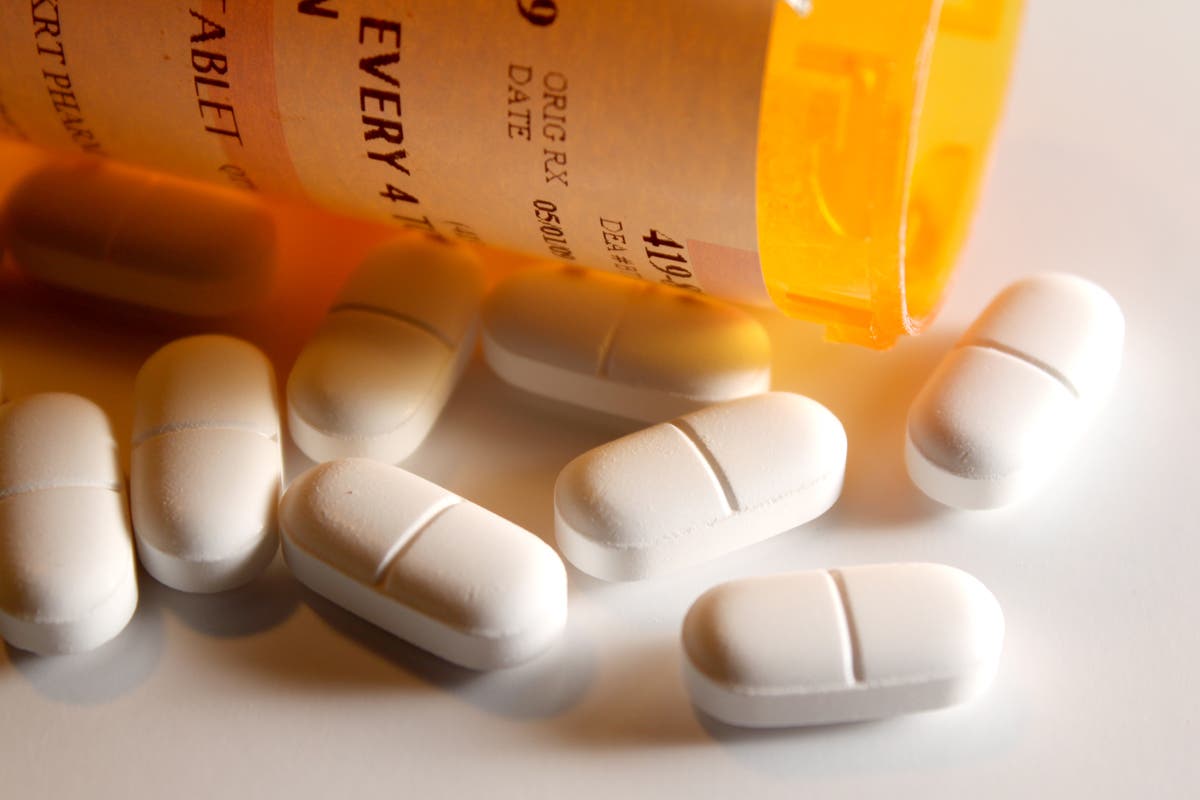
NEWPORT BEACH, CA — The national drug takeback day was a record success for Newport Beach Police Officers. That day, the city took in 530-pounds of expired or unused prescription medication, according to recent release.
"That's a lot of pills," the Newport Beach Police Department spokesperson said over social media.
"Thank you to everyone who turned in unused or expired prescription medications for the National Prescription Drug Take-Back day," they said.
Find out what's happening in Newport Beach-Corona Del Marfor free with the latest updates from Patch.
If you missed the event, you can still dispose of your prescription medicine through general public drug disposal. The Drug Enforcement Agency says that in order to dispose of unused medicine, you can follow the following steps:
- Remove the drugs from their original containers and mix them with something undesirable, such as used coffee grounds, dirt, or cat litter. This makes the medicine less appealing to children and pets and unrecognizable to someone who might intentionally go through the trash looking for drugs.
- Put the mixture in something you can close (a re-sealable zipper storage bag, empty can, or other container) to prevent the drug from leaking or spilling out. Throw the container in the garbage.
- Scratch out all your personal information on the empty medicine packaging to protect your identity and privacy.
- Throw the packaging away. If you have a question about your medicine, ask your health care provider or pharmacist.
Disposing of Fentanyl Patches
Find out what's happening in Newport Beach-Corona Del Marfor free with the latest updates from Patch.
Some prescription drugs — such as powerful narcotic pain medicines and other controlled substances — have instructions for flushing to reduce the danger of overdose from unintentional or illegal use. One example is the fentanyl patch. This adhesive patch delivers a strong pain medicine through the skin. Even after a patch is used, a lot of the medicine remains. That’s why the drug comes with instructions to flush used or leftover patches
Disposing of Inhaler Products
One environmental concern involves inhalers used by people who have asthma or other breathing problems, such as chronic obstructive pulmonary disease. Read handling instructions on the labeling of inhalers and aerosol products. These products could be dangerous if punctured or thrown into a fire or incinerator. To properly dispose of these products and follow local regulations and laws, contact your trash and recycling facility
Flushing Drugs and the Water Supply
Some people wonder if it’s okay to flush certain medicines. There are concerns about the small levels of drugs that may be found in surface water, such as rivers and lakes, and in drinking water supplies.
“The main way drug residues enter water systems is by people taking medicines and then naturally passing them through their bodies,” says Raanan Bloom, Ph.D., an environmental assessment expert at the FDA. “Many drugs are not completely absorbed or metabolized by the body and can enter the environment after passing through wastewater treatment plants.”
The FDA and the U.S. Environmental Protection Agency take the concerns of flushing certain medicines in the environment seriously. Still, there has been no sign of environmental effects caused by flushing recommended drugs.
Shutterstock Photo
Get more local news delivered straight to your inbox. Sign up for free Patch newsletters and alerts.