Politics & Government
Air Quality Regulators Approve Sweeping Orders for Ending Gas Leak
The South Coast Air Quality Management District voted to make the Gas Co. permanently shut down the well eat costs for a health study.


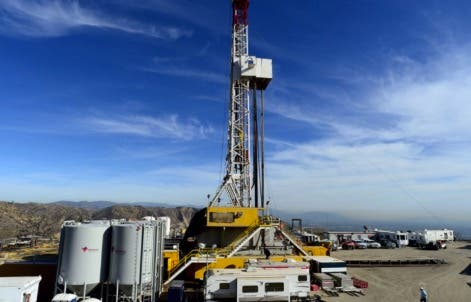
Southland air regulators today approved a sweeping abatement order aimed at minimizing the three-month-old leak of natural gas from a Porter Ranch-area storage facility.
The South Coast Air Quality Management District hearing board voted 4-1 in favor of the order, which comes after four separate meetings in which angry residents voiced concerns to regulators and Southern California Gas Company officials about the feared health effects from the leak at SoCalGas’ Aliso Canyon storage facility.
Residents of roughly 2,500 area homes have been relocated by SoCalGas, with about 1,500 other households awaiting relocation, according to the utility.
Find out what's happening in Northridge-Chatsworthfor free with the latest updates from Patch.
Students at two schools in the area have also been moved to other campuses away from the leak.
The Gas Co. first reported the leaking well Oct. 23.
Find out what's happening in Northridge-Chatsworthfor free with the latest updates from Patch.
Today’s order compels SoCalGas to:
-Permanently shut down and seal the well and not inject gas into or withdraw gas from it in the future once the leak has stopped;
-Fund an independent health study to assess any potential health effects on residents;
-Fund continuous air monitoring to be conducted by SCAQMD and/or a contractor under the agency’s supervision;
-Develop and implement an enhanced leak detection and reporting program;
-Monitor the leaking well continuously with an infrared camera until 30 days after the leak has stopped;
-Provide SCAQMD with data on the amount of gas injected and withdrawn from the facility and information to calculate the total amount of methane leaked;
-Submit a plan to notify SCAQMD for notifying government agencies and the public of any reportable releases of air emissions, as defined in the plan;
-Report all odor complaints to SoCalGas since Oct. 23 and on an ongoing basis to SCAQMD;
-Not use any odor suppressants or neutralizers in an attempt to reduce odors from the leak, unless approved by SCAQMD.
The order extends through Jan. 31, 2017, unless SoCalGas completes all requirements sooner.
The board will hold a follow-up hearing to review the status of the order on Feb. 20 at a location to be determined in the San Fernando Valley.
Gas Co. officials had originally planned as part of the enforcement order to implement a system of capturing and incinerating some of the gas leaking That plan was ultimately scrapped over fears that such a burn-off might spark a catastrophic explosion.
Calling today’s vote “better late than never,” Supervisor Michael Antonovich said government regulators have still “failed the residents of Porter Ranch and the state by neglecting to inspect, require or implement adequate safety measures on these antiquated wells.”
“The Gas Company must take immediate action to mitigate the catastrophic health impacts and disastrous environmental damage that their negligence and lack of planning has inflicted on the Porter Ranch community,” Antonovich said today.
SoCalGas Co. officials have said that they expect to stop the leak by late February, if not sooner, as work on their relief well project is proceeding ahead of schedule.
The relief well drilling began Dec. 4 and is expected to reach the bottom of the well at a depth of about 8,500 feet below the surface next month, according to Jimmy Cho, the Gas Co.’s chief engineer.
“We are focused on stopping the leak as quickly and safely as possible, mitigating the environmental (impact), and supporting the community,” he said. “Our schedule to control and stop the leak in February is consistent with the updated plan we have submitted to state regulators.”
Los Angeles County health officials announced this week they were expanding their monitoring of the gas leak, noting that hundreds of residents have reported health problems such as nausea, headaches and nose bleeds due to additives in the natural gas. They insisted, however, that levels of the carcinogen benzene in the area are still too low to be considered a long-term health risk.
City News Service
Get more local news delivered straight to your inbox. Sign up for free Patch newsletters and alerts.