Health & Fitness
Nonprofit Will Address Gaps In County's Aliso Gas Leak Response
A new nonprofit will address the lasting health implications of the 2015 Aliso Canyon gas leak.


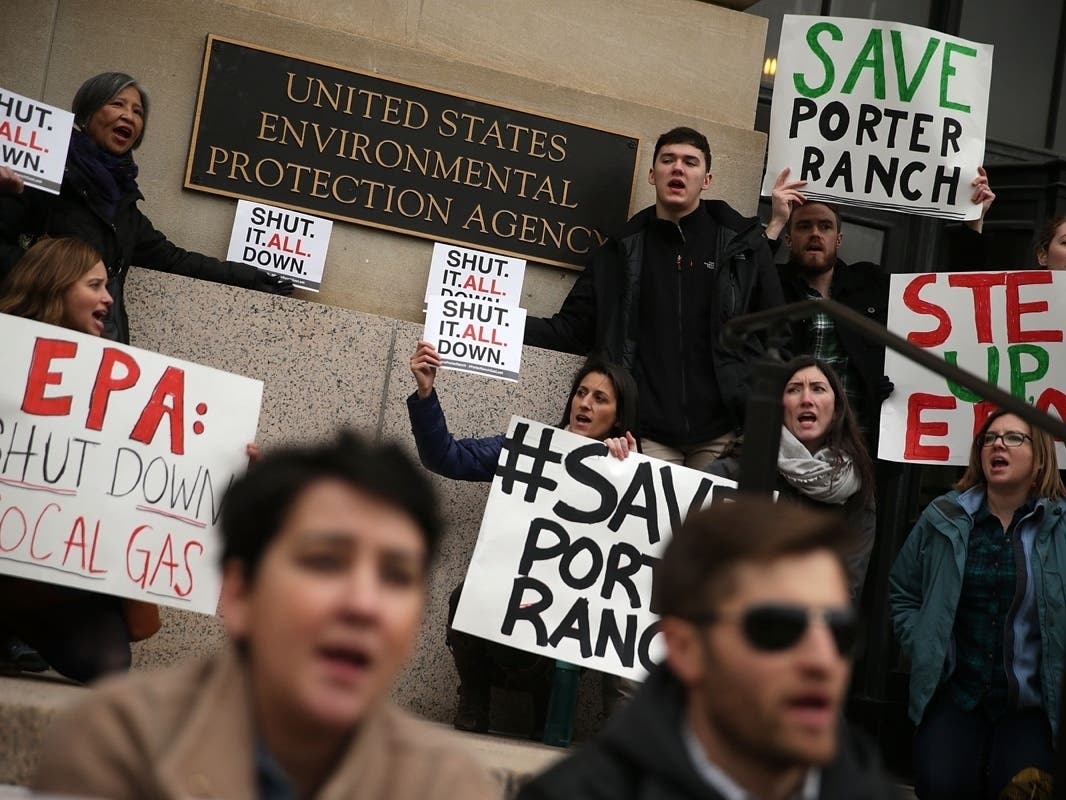
NORTHRIDGE, CA — Three members of the Los Angeles County Department of Public Health’s Aliso Canyon gas leak response team will conduct their own research to correct for the health department's failures, they said.
Andrew Knowne, Brian Allen and Craig Galanti founded the Environmental Health Research nonprofit and announced their research plans in a virtual public meeting Tuesday.
“We still don’t know what we were exposed to, and more importantly no one is going to get that information,” Knowne said.
Find out what's happening in Northridge-Chatsworthfor free with the latest updates from Patch.
The three are working on the ongoing health research study launched by the public health department. They created this new study after becoming disillusioned by its slow timeline and community disapproval of the research plan. The public health department's study was commissioned as part of a 2018 settlement with Southern California Gas Co., which was responsible for the gas leak.
The department of public health said it is aware of Environmental Health Research's work but has not had communications with the group.
Find out what's happening in Northridge-Chatsworthfor free with the latest updates from Patch.
The new nonprofit's research will focus on the lasting medical repercussions of the gas leak on residents. In the immediate aftermath, residents reported irritation in their eyes, noses and throats, persistent headaches and respiratory issues, the department of public health said.
There have also been significant concern about the long-term health effects of the gas leak. The founders of Environmental Health Research said the public health department's research will not appropriately address these medical concerns, though the department did list "chronic health impacts" as a research goal on their drafted goals and priorities document.
The department said that specific research methods have not yet been determined, so it is not known yet how or whether medical evaluations and monitoring will be included in the study. These methods will be determined once the department chooses independent researchers to conduct the study, which will be overseen by the department and their panel of scientific experts.
"Once the Request for Proposals is released, expert researchers will be invited to submit their best and brightest ideas for implementing a scientifically robust Health Study that meets the goals and addresses the priorities outlined in the solicitation," the department told Patch. "The proposals will outline specific research methods, which may include medical evaluations, monitoring, evaluations of clinical data, among many other potential research methods."
The 2015 leak at the Aliso Canyon natural gas storage facility, operated by SoCal Gas, was the biggest methane leak in U.S. history, according to the Los Angeles Times. Some 100,000 tons of methane, a greenhouse gas, leaked into the atmosphere over the course of 118 days before SoCal Gas fixed the leak.
SoCal Gas announced it will pay up to $1.8 billion to settle the claims of more than 35,000 residents who said they were affected by the leak.
Many in the public disapproved of the public health department’s expressed goals and priorities for the health research study even within the research team itself, Krowne said.
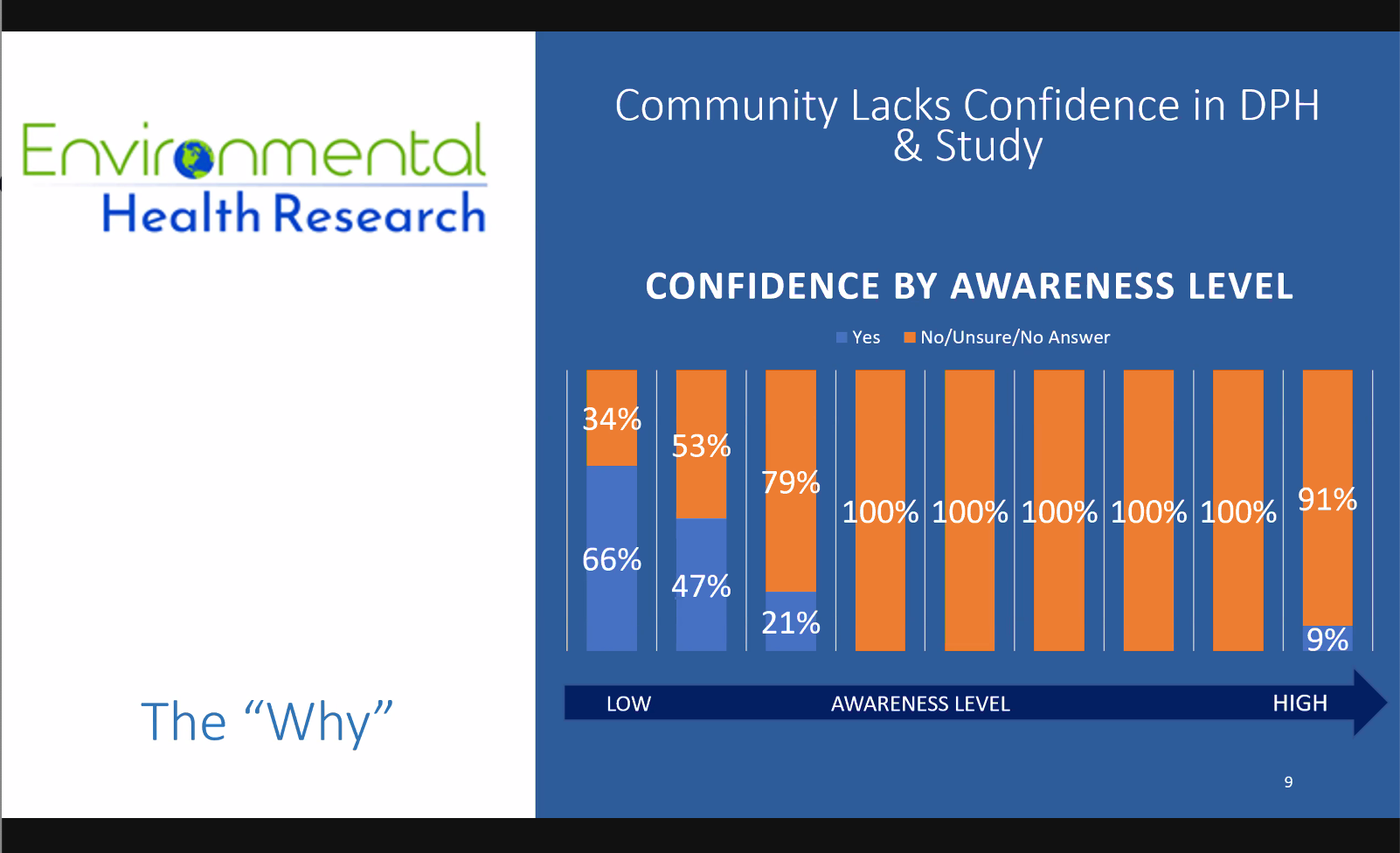
The department collected feedback on their drafted goals and priorities document over a six-week period, the department said. This feedback constituted 412 identical form letters, 17 unique feedback emails and 249 unique online form responses; the templated letters included a call for clinical evaluations and long-term monitoring, the department said. This feedback is all being considered in the study.
The majority of online form responses were from Porter Ranch residents who "indicated that the draft goals and priorities mostly or somewhat represent what they hope the Health Study will focus on and prioritize," the department said.
Background
Immediately after the blowout, the public health department began monitoring the chemicals in the air around the storage facility. It called on SoCal Gas to provide interim housing for residents and to quickly shut off the sources of the leak.
The public health department also recorded residents' symptoms and tested the air in the region, according to its website. Additionally, SoCal Gas was ordered to clean affected residences.
In 2018, the Los Angeles County Superior Court approved a $119.5 million settlement under which SoCal Gas would finance a long-term health study, local air monitoring and projects to address the environmental effects of the leak on the county, according to the public health department.
SoCal Gas was allowed in 2017 to keep using the site with added safety precautions. But Gov. Gavin Newsom and others have said the facility should be shut down.
“It’s been six years. I think we can count the number of victories that the victims of this blowout have had on one hand," Krowne said. "On half a hand, really. This is a community that has been suffering, and it's emblematic of so many communities … who are fighting with corporate point-source polluters and an inability to take control of their own health and their own well-being. This is unfortunately a rampant problem.”
Patch reached out to SoCal Gas for comment.
This story has been updated to include information from the Los Angeles County Department of Public Health.
Get more local news delivered straight to your inbox. Sign up for free Patch newsletters and alerts.