Health & Fitness
10 Things the Military Taught Me About Finances
Once I started to think differently and then began doing different things with my money, I was able to start accomplishing my financial goals.

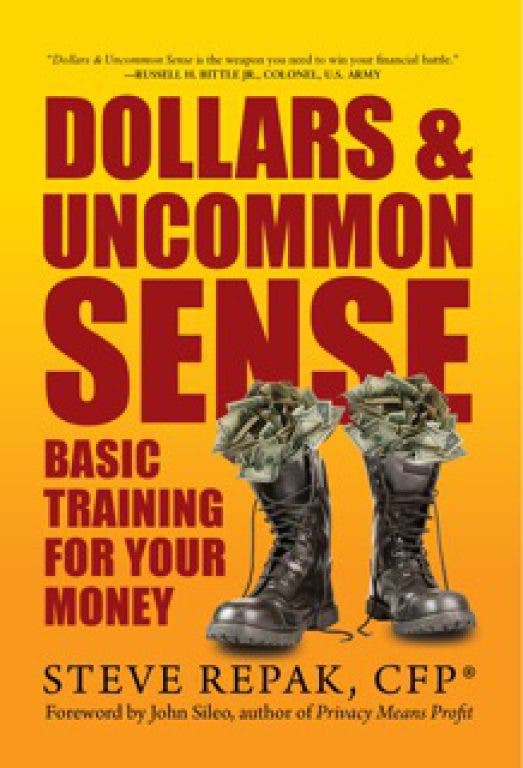
In boot camp, a recruit goes through a process of mental and emotional retraining so that they can operate in an environment very different from the civilian world. I figured out I could take some of the same lessons I learned in the military and apply them to my finances. Once I started to think differently and then began doing different things with my money, I was able to start accomplishing my financial goals.
The following are 10 Things the Military Taught Me about Finances that I want to share with you in order for YOU to start thinking differently about your money and to show you that YOU possess the same skills and tools that I have to achieve any of YOUR financial goals.
- Leadership -Unless you are a new recruit you have served in some type of leadership role. Leadership is all about taking charge of the situation and not making excuses. Use that same type of thinking. I had to quit making excuses that I didn’t have any money and start taking charge of my finances.
- Integrity -Your integrity plays a major part in who you are when you are serving in the military. Integrity requires you to be candid & honest. I left the military with a lot of credit card debt. I had to be honest with myself and admit I had a spending problem. Use your integrity to be honest with yourself and identify the areas of your finances where you are weak and once you identify those areas, do something about it!
- Prioritizing -We had many things going on at the same time when I was serving in the military and it was important to make sure we got the things done that we were supposed to. You can identify your current priorities by measuring two factors: What are you spending your money on & where are you spending your time. I changed my money priorities by spending at least 30 minutes a week on my finances.
- KISS (keep it simple stupid) -In the military, we learn not to overcomplicate things. The same goes for personal finances. It doesn’t get any simpler than “if you are spending more money than you are making, you need to start spending less.” One I started spending less I started having more money at the end of the month.
- Accountability -When I was a Platoon Sergeant I had to know where my soldiers were at all times. When dealing with my finances I knew if I wanted to be a good leader with my money I needed to know exactly where I was spending my money. I did that by keeping a spending journal. For 30 days I asked for receipts every time I spent money. Once I got home I wrote it down in my journal.
- Sacrifice -In the military everyone knows what sacrifice means. I can’t count how many holidays, birthdays, anniversaries, etc. I missed because of a deployment or assignment. To be able to start spending less, you have to make sacrifices. It might be not going to the vending machine everyday or reducing the temperature on the thermostat during the winter time. For me I had to quit spending money on video games and going out to eat all of the time.
- Planning -You are always doing some type of planning in the military. For example, when we went on field maneuvers we had to move our equipment to different locations each night. I would have to identify where we were, where we needed to go, and how we were going to get there. I used the same steps for my finances. I had to determine where I was (my income versus my spending), where I wanted to go (how much extra I wanted to have in savings at the end of the month), and how I was going to get there (the areas I spent my money on that I could either reduce or eliminate).
- Flexibility -From hurry up and wait, to the mission has changed, I had to be extremely flexible when I was serving because either the mission or objectives seemed to change often. I had to be flexible with my money goals. At times emergencies would happen and get me a little off track. Once I dealt with it, I got right back on track.
- Team work (Together Everyone Achieves More) -I had to count on others and work with others in order to get the job done. There are times when you need to ask for help. For me I had an accountability partner to help keep me on course with my financial goals. If you need help, there are many people out there that can help. Active military bases have a Navy Fleet and Family Support Center, Marine Corps Community Service Center, Air Force Family Service Center or Army Community Service Center. Although names vary, most of the services are the same. Centers are staffed by highly trained human services professionals and volunteers. All programs are free of charge.
- Determination or the ”War Fighting Spirit” -As a soldier in the Army I was determined come hell or high water that no matter the situation, I would be able to accomplish the mission. I had to possess that same type of determination with my finances. I had over $32,000 of credit debt when I left the military. There were many times where things got difficult and I questioned if I would ever be able to get out of debt. I want to tell you that I stuck with my plan, and it wasn’t easy, but I did finally get out of debt. I want to tell you something else. If I was able to do it, I have no doubt that you can reach any of your financial goals too!
Steve Repak, CFP® Author of Dollars & Uncommon Sense: Basic Training for Your Money