Health & Fitness
Book 'Em: A How-To Guide on Getting Reluctant Readers to Read
A How-To for getting your kids to love reading.
This is the perfect time for your lil’ learner to start a book! They have the whole summer to finish a long one, or just enough time to finish a second, if they liked the first. I know that getting your kids to read can be daunting, even scary for some, so here are suggestions:
1. Lay down the law: Let your child know that this is what is going to happen. No negotiations. No arguing. If you are too confrontational, it will make this activity more of a chore than a pleasure - be firm but calm. It’s your house and your rules.
Find out what's happening in Oceanside-Camp Pendletonfor free with the latest updates from Patch.
2. Shopping! On your next trip to buy ice cream/clothes/video games/toys, take them book shopping first. Let them pick out whatever they want. Make suggestions too. Take them on a day when your or bookstore is having an event.
3. Routine-time: Kids love routine, and crave it as much as candy- they just won’t admit it. Set a time, a length, and a reward for reading every day. Also, make sure your kids are actually reading every day, because if they do not keep the thread of the plot in mind, reading will become too boring.
Find out what's happening in Oceanside-Camp Pendletonfor free with the latest updates from Patch.
4. Copy-kid: We all know that kids copy what they see. If you want your child to read, you have to read as well, and not just the crossword but also something meaningful and difficult for yourself.
5. If at first you don’t read: If your student doesn’t like the book they chose, and can tell you why (something other than “its stupid”), let them pick out a new one. Life-long reading has to start with experimentation, so your kids learn what they like.
Younger Learners: Challenge younger children of any age to move off picture books to longer novels. At bedtime, don’t have them pick out their favorite picture book - the same one every night. Instead, choose a kid-friendly novel with chapters, and read a new chapter each night, so that kids of all ages learn to appreciate plot, and challenge their vocabulary. They should still have a “reading time” where they can select some of their favorite picture books on their own. If they are under 7, 15 minutes is appropriate for reading on their own, and a half-hour if you are reading to them.
My Picks: While you are Away, by Eileen Spinelli,
Red White and Blue Goodbye by Tomp, Sarah Wones,
The Hobbit, J.R.R. Tolkien
Older Learners: Vocabulary development is often what sets students apart in their ability to achieve in higher-grade classrooms. But this learning group can be much more difficult to ‘coax’ into reading. Books are a great source of information-even information that your older learner might be uncomfortable talking to you about. Allow them near total freedom in selecting a book, they may pick plots that involve romantic encounters, or books that describe a little more taboo topics than Captain Underpants covers, but try not to judge them. Let them go for that new, slightly salacious vampire book.
My Picks: The Things They Carried, by Tim O’Brien,
Maus, by Art Spiegelman
Twilight series, by Stephanie Meyer (or if they’ve read it, Interview with a Vampire, by Anne Rice)
English Learners: For this group of learners, I recommend graphic novels. The pictures will reinforce the words they are reading, and help them understand the plot. Also, encourage these students to make word lists, for them to look up and translate later. (Maus, by Art Spiegeleman)
Learning Disabled: For this group, reading is all about location. They should have a reading area, a chair or a desk where they read every day. There should be little to nothing on the walls or tables for them to be distracted by. They should not be able to see or hear TV’s or iPods where they are sitting. This group will benefit most from structure and reward. They should win a prize for every page read and understood. They should have strict reading times and durations.
Local Resources:
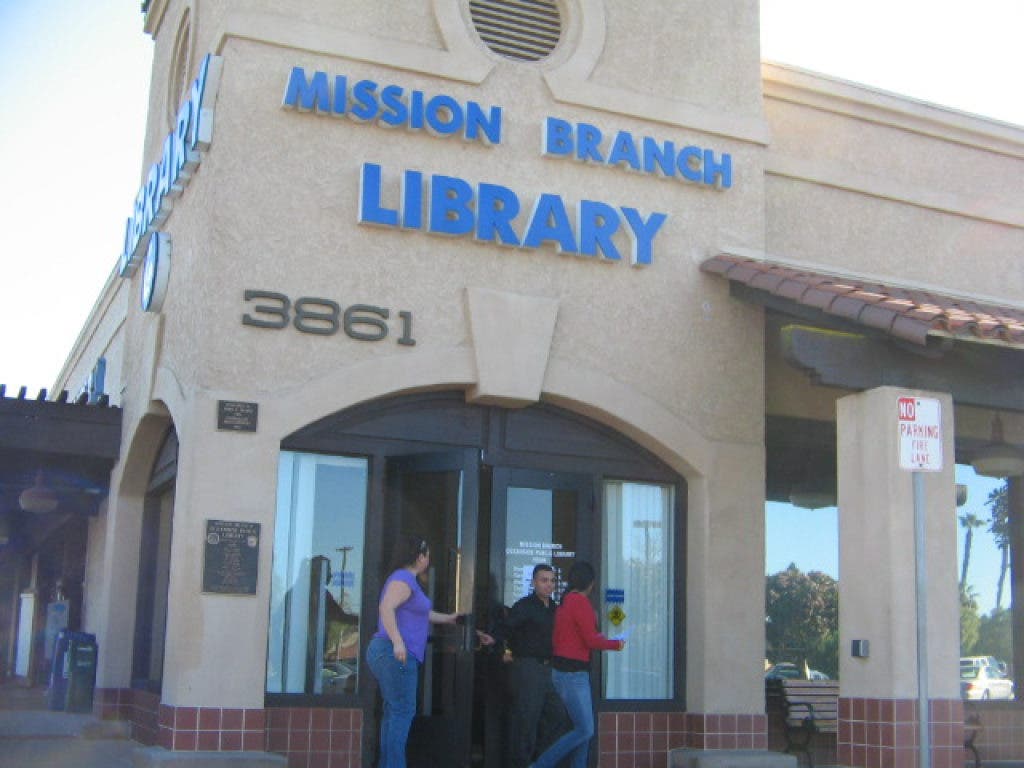
will be offering this weekend, various storytime events for different reading groups, such as preschool, Spanish-speakers, and a teen vampire book club. Check website for times; these events are free.
The offers many reading events throughout the summer. Today, and Saturday July 9, this bookstore will be hosting a SkippyJones storytime and book fair. On Thursday, July 14th, they will be hosting a Harry Potter premier night bookfair. Check website for times; these events are free.
Call your child's school and ask for the summer reading list! If they don't have one, their school district will.