Neighbor News
Mission Vista Teacher Nabs Out of This World Opportunity with NASA
Science teacher one of eight educators in the nation accepted into NASA/IPAC Research Program
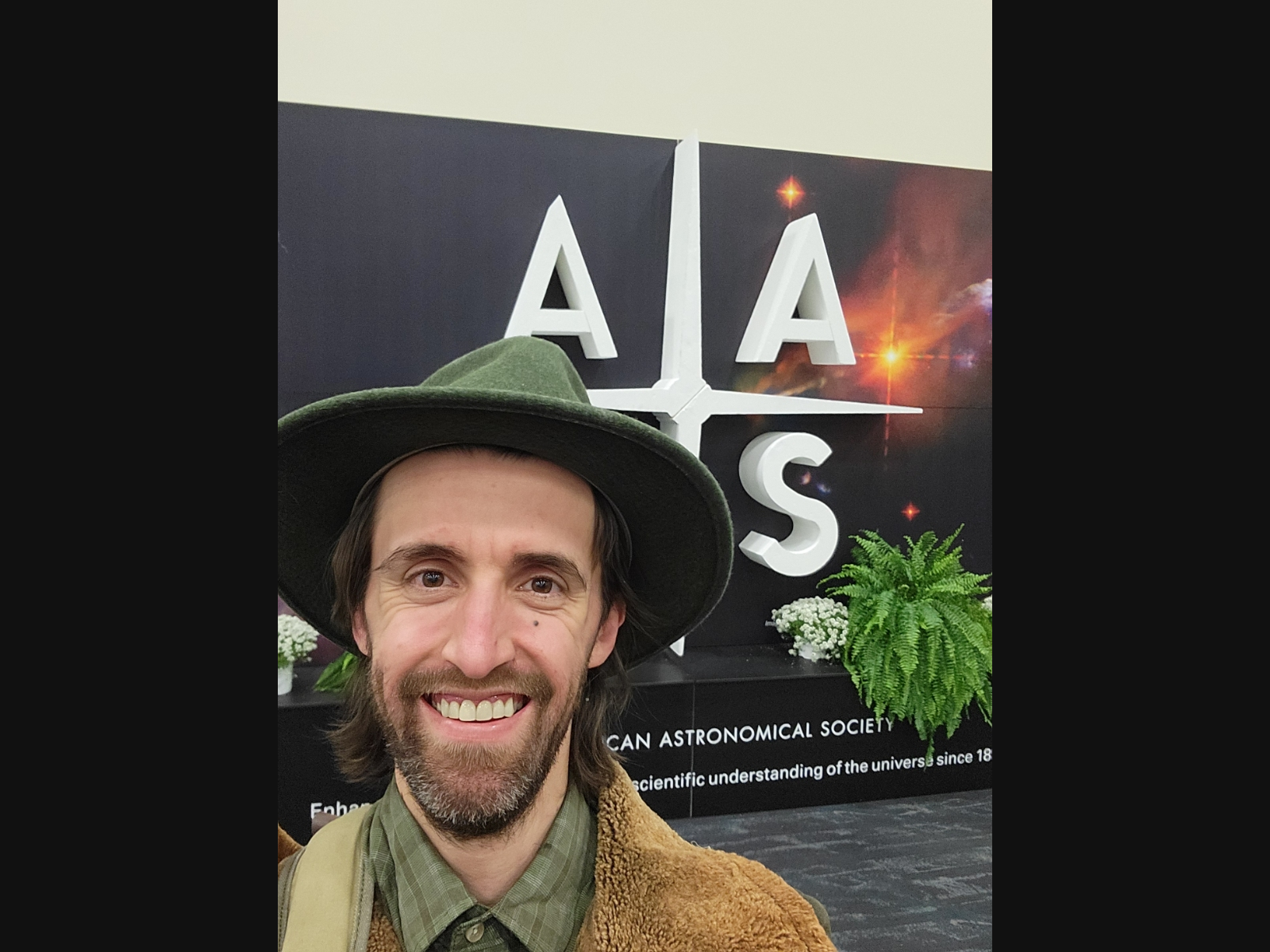
David Forester, a science teacher at Mission Vista High School, has been selected as one of just eight educators nationwide to be part of the NASA/IPAC Teacher Archive Research Program (NITARP), a year-long astronomy research project that will culminate with presenting his research in Washington, DC.
Forester teaches astronomy, biology, and chemistry at Mission Vista High School where he has been a fixture for the past ten years. “Anyone in the science and astronomy education space can apply to the program, “explains Forester. “Most are classroom teachers from middle or high school or the community college level.” He is one of just eight educators selected for the program and the only one from California.
The 2024 NITARP project commenced at the winter meeting of the American Astronomical Society (AAS) in New Orleans in January, where the participants selected got to meet one another and learn the topics of their research.
Find out what's happening in Oceanside-Camp Pendletonfor free with the latest updates from Patch.
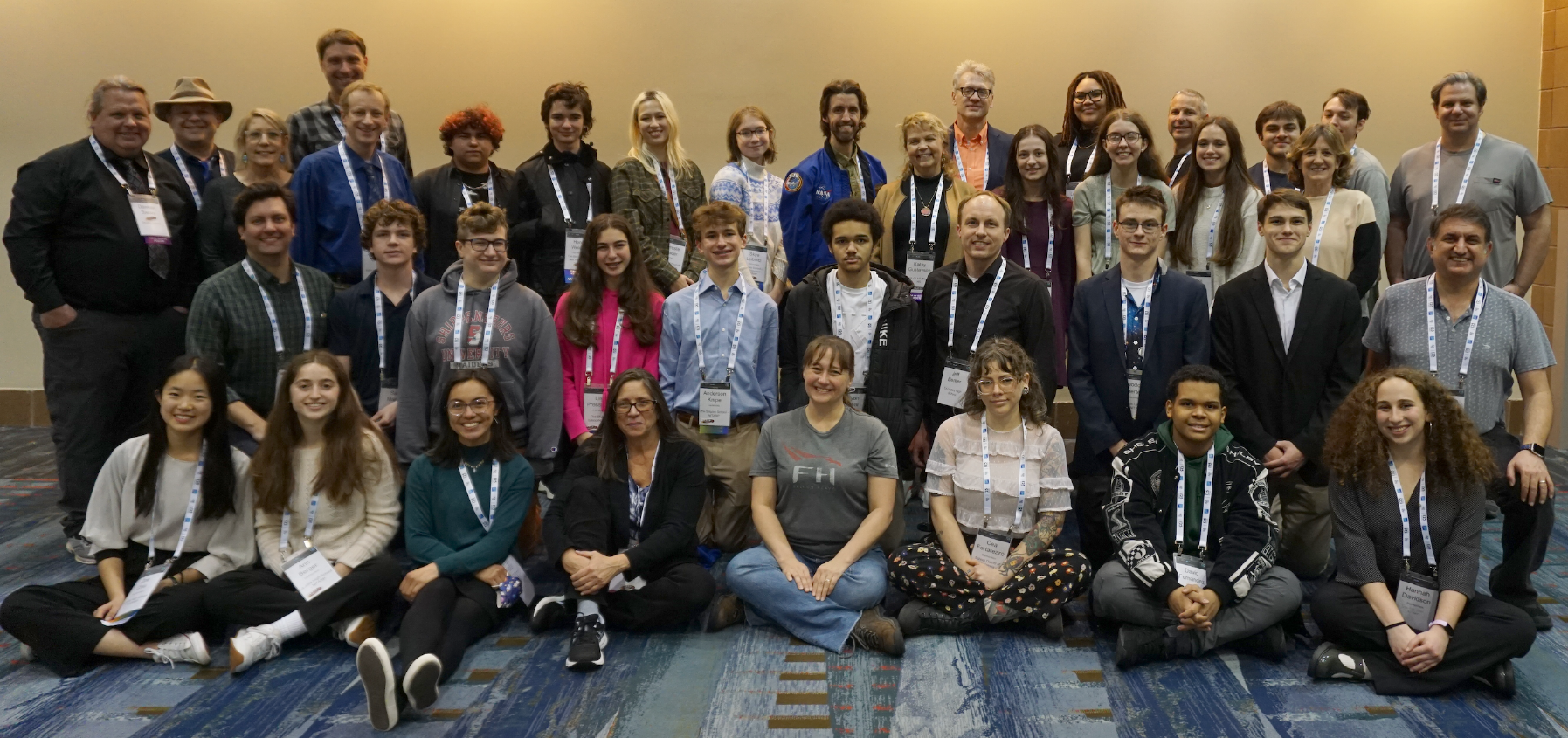
(David Forester. Back row, middle, in blue jacket, with NASA/ICAP teacher and student researchers)
For the interview process, Forester says organizers wanted to know, “How are you going to take this experience and share it with as many people as possible? If we pick you, how many students are going to get to learn about what IPAC does, or get a chance to look at real data and do their own research?” Forester plans to do this through his astronomy class and the variety of science electives that Mission Vista offers.
Find out what's happening in Oceanside-Camp Pendletonfor free with the latest updates from Patch.
The NITARP winners were split into two teams of four with each group having a mentor teacher to help guide their research. Teams will have online meetings for one hour per week for the next year, complete their own independent work, and attend a four-day summer intensive at the IPAC offices based at Caltech in Pasadena, CA.
Student Learning Experiences
Each educator can select two students to work on the project alongside them and their team, attend the online meetings and summer intensive, and help present the results at the AAS meeting in January 2025 in Washington, DC.
“I remember David coming to share the good news about being selected for this project in November, and we were all ecstatic for him,” says Mission Vista High School Principal Jeremy Walden. “His passion for science, and astronomy in particular, is clear to anyone who has seen him teach, and he works hard to instill that same enthusiasm in his students. David, like so many of the teachers at Mission Vista, embodies what it truly means to be a lifelong learner, and I know that students pick up on that.”
For the NITARP project, Forester and his team are permitted to use data from the IPAC archives that have already been pulled down from space satellites, and they will learn how to use different software and tools to analyze the data.
“We want to look at data from the Gaia European space research project about active galactic nuclei (AGNs) that have unusual results you wouldn’t expect, investigate why we’re getting the unusual readings, and then hopefully answer a question we don’t have fully answered yet,” he explains.
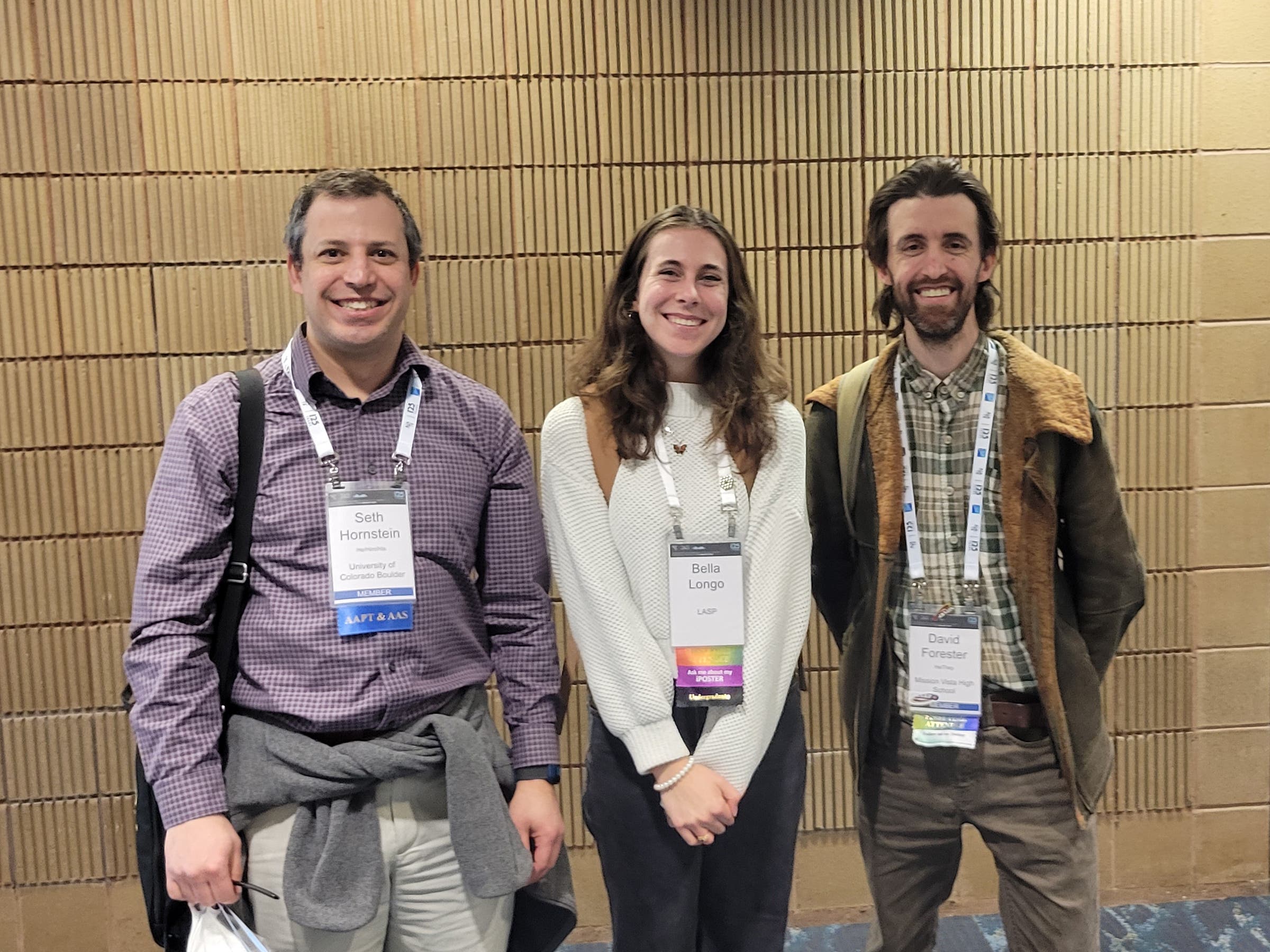
(Forester, right, with former MVHS student Bella Longo and Bella’s astronomy professor at Colorado University - Boulder, Seth Hornstein)
Space as Inspiration
Forester’s astronomy journey was inspired by his father, who introduced him to astrophotography.
Earning an undergraduate degree in Natural Sciences from UC Davis, Forester had the opportunity to work with a geology professor looking at different planets in the solar system. “I got to develop a lab that was implemented in a college-level geology course, so that was my first taste of space-related science teaching,” says Forester.
“I love multi-disciplinary sciences. Not just the elements and how they interact, but how you tie them all together in complex and interesting ways - where they all blend together in real-world scenarios of what is really going on.”
After education outreach experiences working with children, including as a ranger at Grand Teton National Park, Forester returned to Cal State San Marcos to get his teaching credential in General Science, Earth Science, Physics, Chemistry, and Biology.
He also spent two summers with the Cal Poly STAR program (research programs for K-12 STEM teachers) including working with an atmospheric chemist using lasers to measure temperature. “It kind of blew my mind,” he remembers. “The fact that we can use some weird physics of how light behaves in a certain context, and use that light to measure temperature. That was a big idea for me.” It was the STAR experience that led Forester to co-creating Mission Vista’s astronomy class.
Forester will fulfill the NASA/IPAC program’s goal of teaching the next generation about astronomy research by implementing his research and findings in the classroom. “I’ll take what I learn about using the archives and software to sift through data and show my students how to do it,” he says.
“I plan to do a project where students can come up with their own question - obviously on a smaller scale - where they can go in and look at actual data from space telescopes and use it to answer their question. That way they will get the chance to do the actual process of science.”