Community Corner
With Ongoing Cleanup Of Orange County's Oil Spill, More Volunteers Are Allowed To Help.
South Orange County cities are cautiously optimistic about the encroaching oil slick that is drifting to the south & west of beaches.



NEWPORT BEACH, CA — As oil and tar began washing up as far south as San Diego on Thursday, the scope of the devastation caused by the 6-day-old oil spill off the coast of Orange County remained murky.
The U.S. Coast Guard offered a glimmer of hope, hinting that the spill may not be as large as originally estimated. Officials initially estimated that 144,000 gallons of oil leaked from the Amplify Energy pipeline off Huntington Beach, but on Thursday, a Coast Guard spokesperson said a "minimum 25,000 to 30,000 gallons" had spilled. Approximately 5,000 gallons of oil have been retrieved from the water, Capt. Rebecca Ore of the U.S. Coast Guard said.
While workers found and treated more oiled birds, and dead fish continued to wash ashore, crews have yet to find injured marine mammals.
Find out what's happening in Orange Countyfor free with the latest updates from Patch.
The birds could be the "canary in the coal mine" when it comes to the cycle of marine and avian life.
"The toll this spill will take on our coast, its habitats, the plants and animals that need them, our local coastal economy and the communities that love our coast won't be fully told for years and can never fully be remediated," Kate Wheeler, CEO and president of the Wetlands and Wildlife Care Center wrote in a statement. The cleanup also has its own harmful chemicals that can make ecological damage to wildlife "even worse."
Find out what's happening in Orange Countyfor free with the latest updates from Patch.
It is a careful balancing act between the disaster and maintaining the livelihoods of Orange County's parks, businesses and residents who spend their careers on the beach or out on the ocean waves. Huntington Beach and Newport Beach remain closed to all but those who are working to skim oil from the seawater, clear tar patties and tarballs from the shoreline and help reestablish a healthy environment for wildlife both in the water and in the air. Dana Point beaches, which experienced closures over the weekend, have since reopened on Thursday.
As of Thursday morning, "there is a small area impacted by oil" at Crystal Cove State Beach, Wheeler told Patch. "There is a few feet of sand blackened with tar, tarballs likely spill-related."
Teams of SCAT and OC Park workers are sampling water and sand multiple times a day, she said, though the water quality reports remain a week out.
"It's an unusual time," Wheeler added.
Read:
An estimated 12 to 15.5 square miles of light oiling was reported along Orange County's shoreline since the spill began nearly one week ago, according to the unified command.
Beachgoers are, once again, allowed onto county-run beaches in Dana Point, according to the Orange County Health Care Agency, as those beaches were considered "mostly free" of contamination. Visitors were advised to avoid any visible oil on beaches in both Dana Point and Newport Beach. The harbors remained closed.
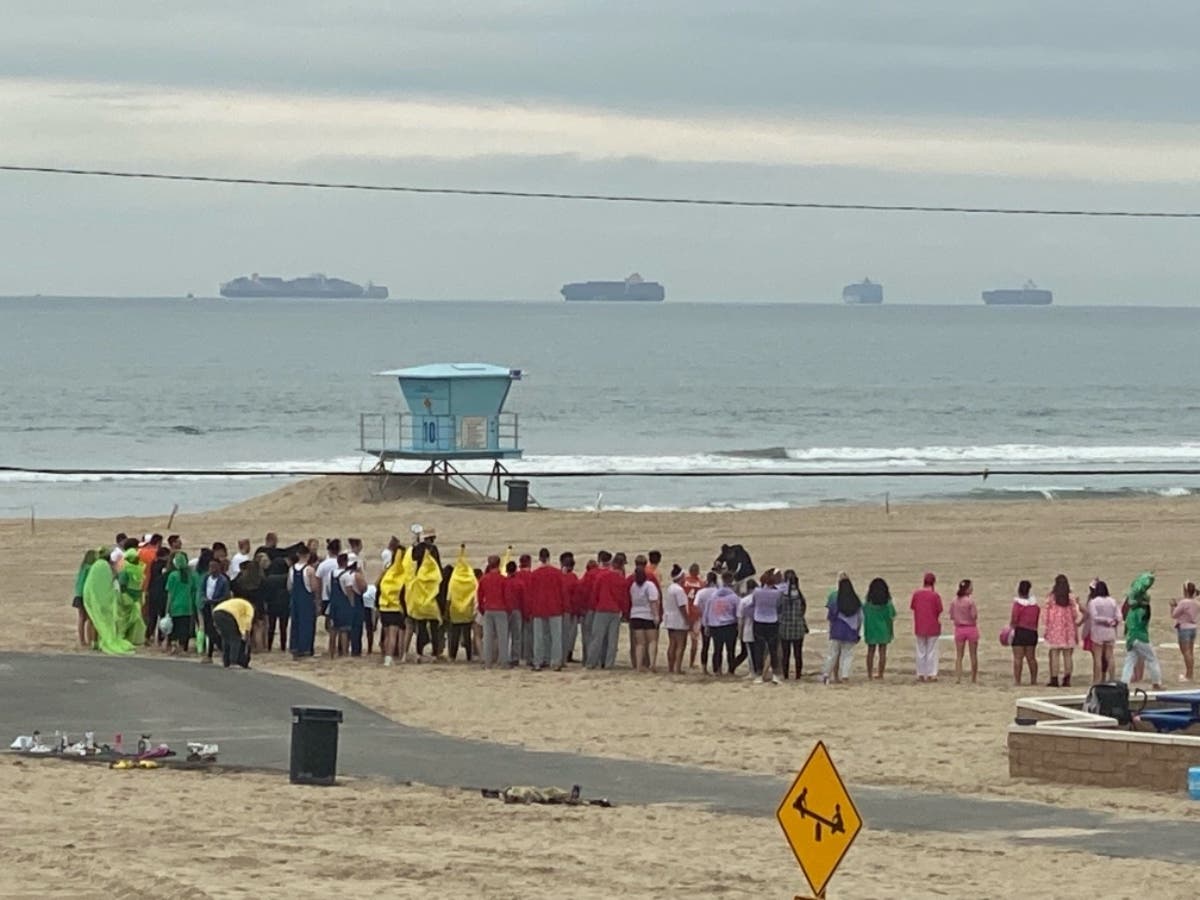
Meanwhile, the current is carrying the vast majority of the oil spill to the south and west of Orange County shores along, according to the Coast Guard and NOAA.
Seal Beach remains unaffected, nor the marine habitats within the naval base.
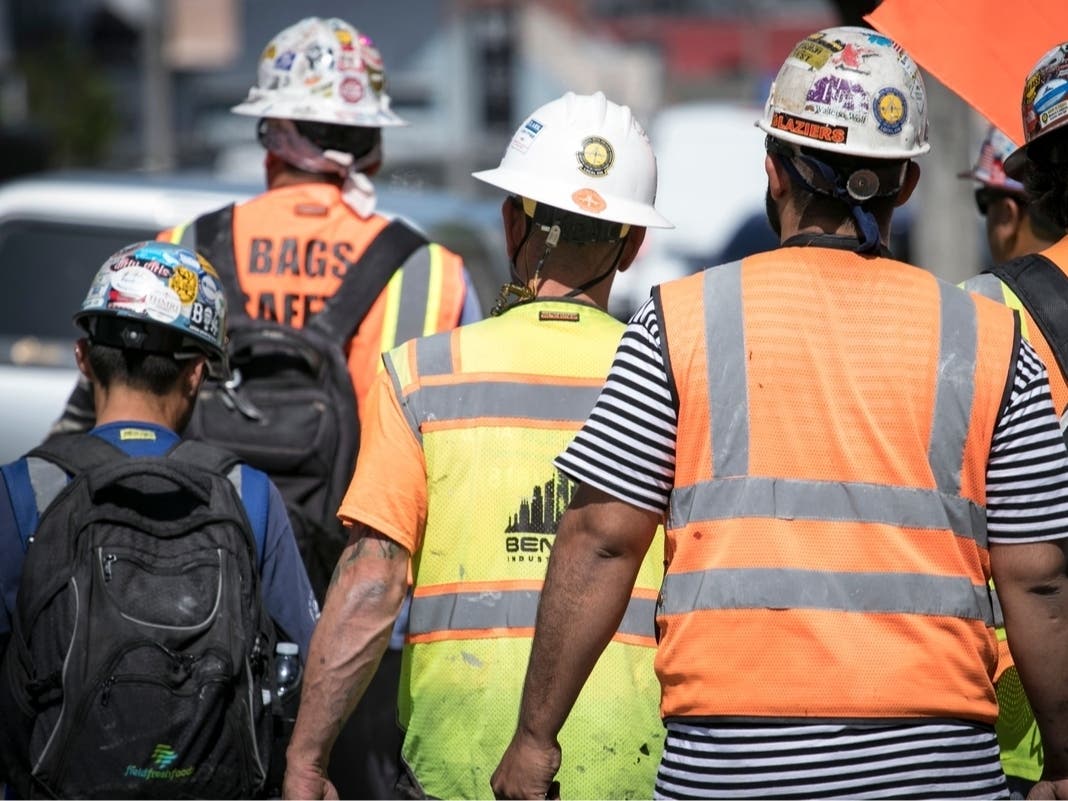
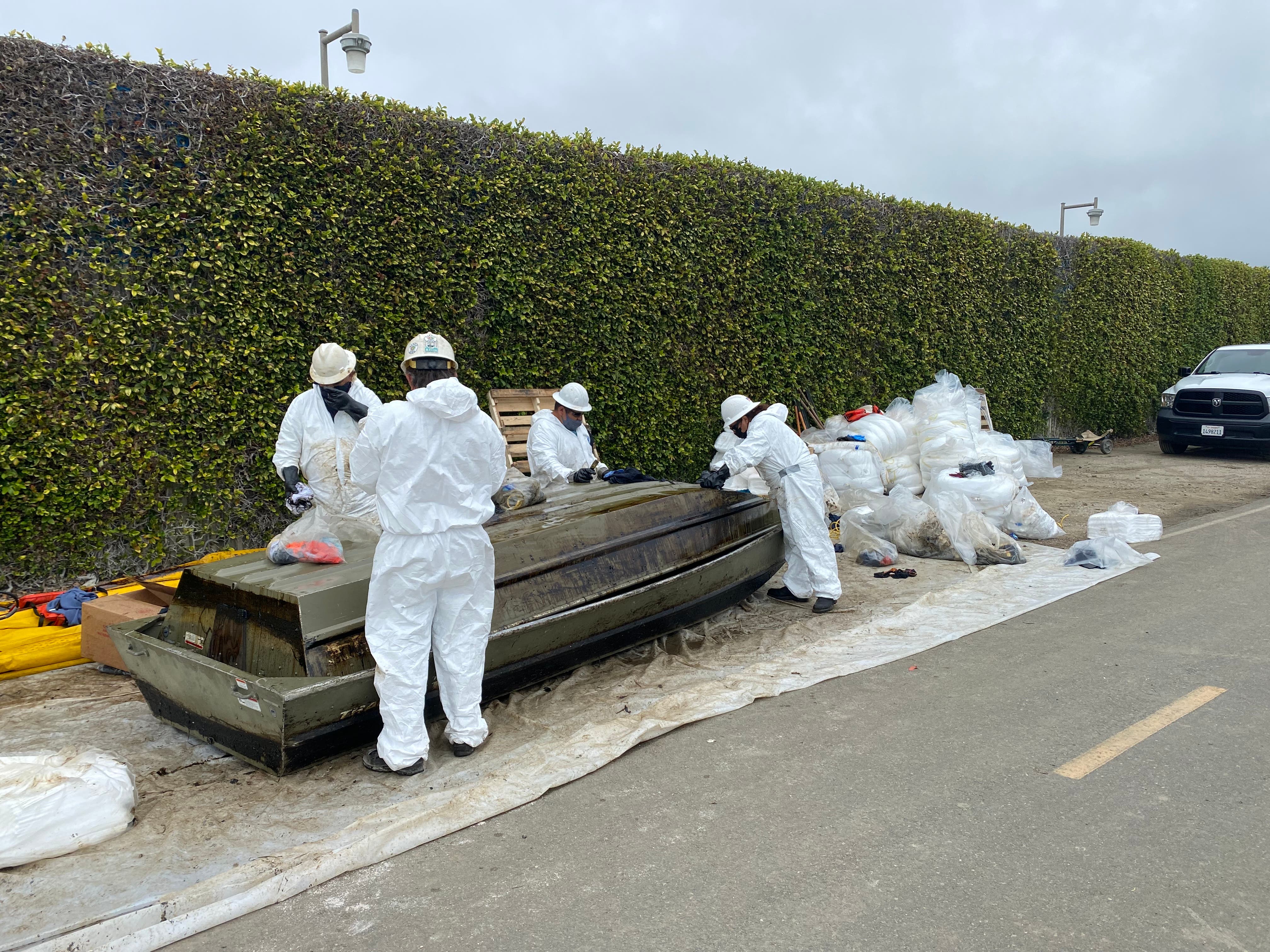
On Thursday, both Huntington Beach and Newport Beach continue to conduct massive cleanup efforts, with Newport Beach accepting more help from volunteers.
.jpg)
The damage in Newport Beach is focused from the Santa Ana River to 52nd Street, according to city spokesperson John Pope.
Saving Orange County's Wildlife
In Huntington Beach, Thursday, sea birds were absent from the Bolsa Chica wetlands. According to Carrie Garfield, a Newport Beach wildlife photographer, the wetlands were empty of birds.
"I could not spot one gull," Garfield said.
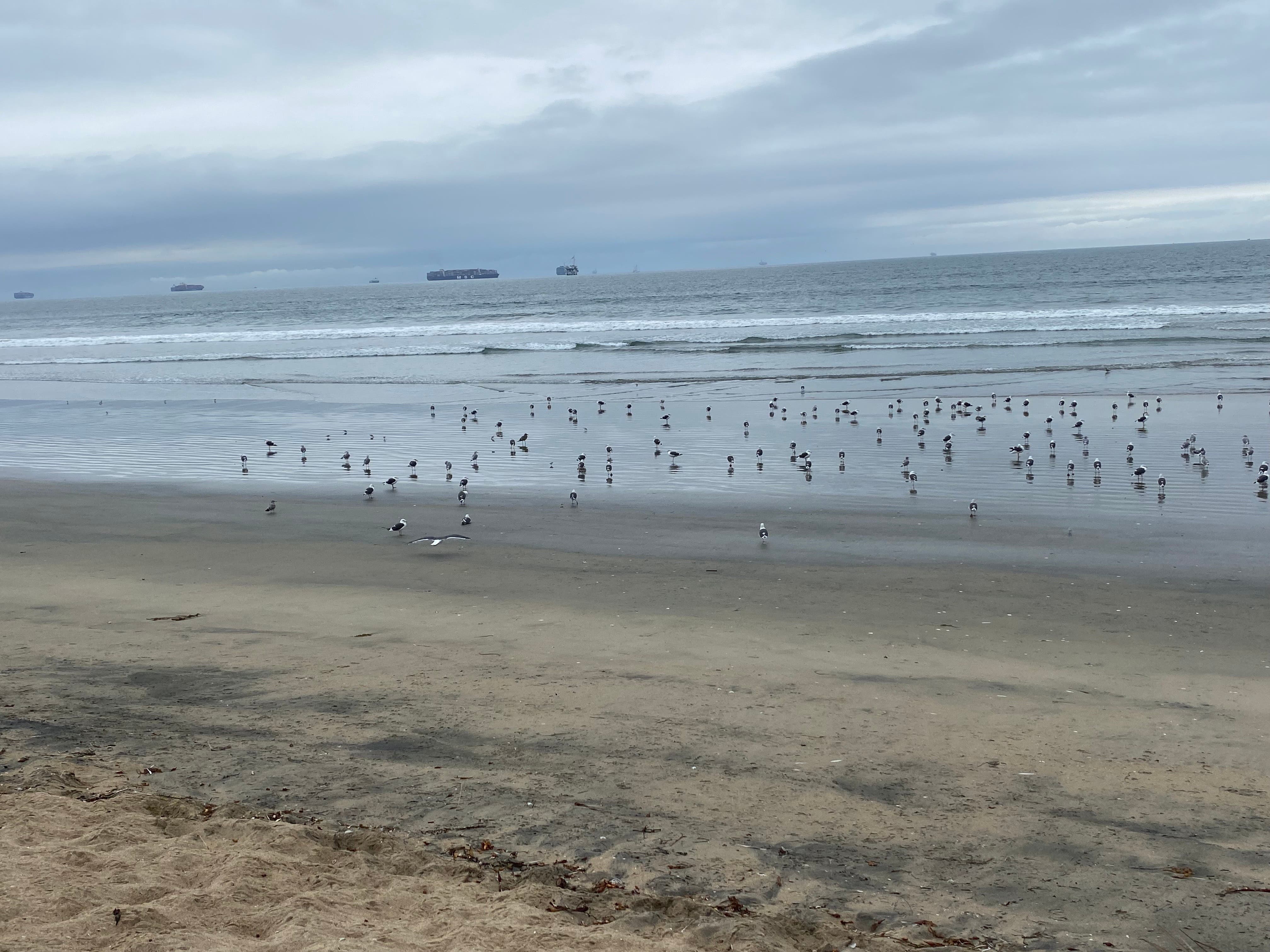
About a mile from the wetlands, thousands of seagulls were gathered in one spot, she says.
.jpg)
"Perhaps that area is clear of contamination," she speculated.
Meanwhile, oiled birds are still showing up on the coastline with more every day.
Further south, Crystal Cove State Beach and the Crystal Cove Conservancy woke to two more oiled birds Thursday morning, according to that organization.
Crystal Cove, including its underwater marine conservation area and Laguna Beach to its south, are the dividing line between devastation and areas free of the oil.
Early Thursday, biologists discovered two oiled birds — both Western Grebes — at Trancos Creek in the Historic District of the conservancy, according to Wheeler of the Wetlands and Wildlife Care Center. The Center took both birds and is doing their work to remove oil from feathers, keep them warm as the natural waterproofing is stripped from their wings. In time, officials hope the birds will be nursed back to health.
A total of 24 oiled wildlife have been recovered since Friday. Of those 24, five were recovered dead as of late Wednesday. The dead birds include an American coot, a western gull and three double-crested cormorants. They were found dead on the beaches, covered in oil.
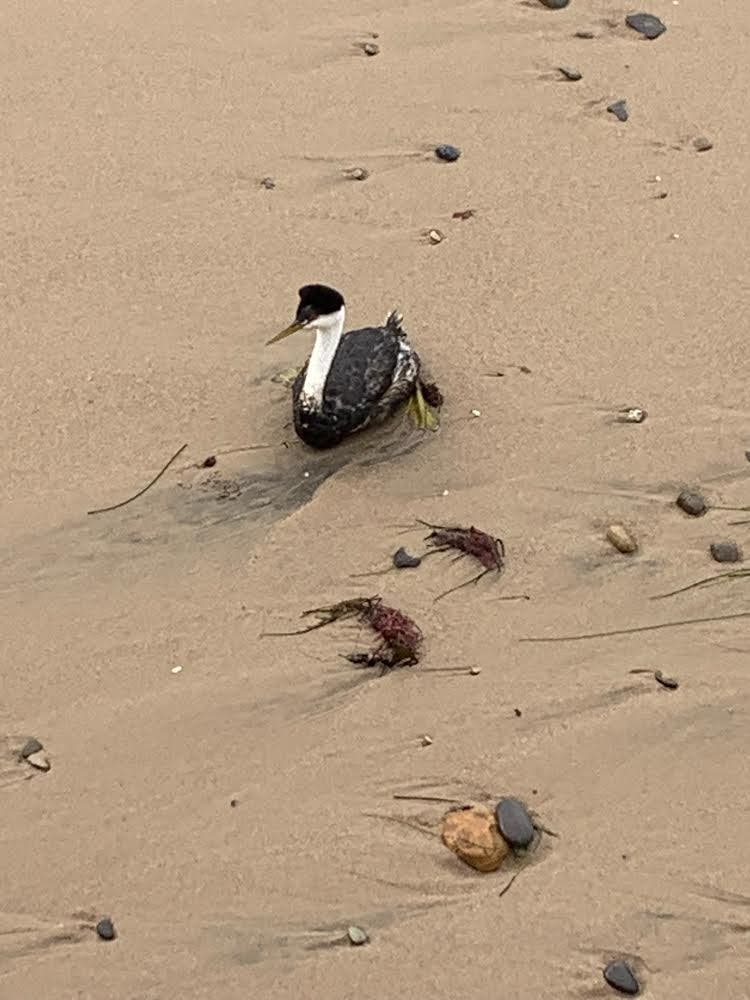
Thus far, the variety of oiled bird species are being nursed back to health by the Oiled Wildlife Care Network organized by UC Davis Veterinarians and the Wetlands and Wildlife Conservation Center.
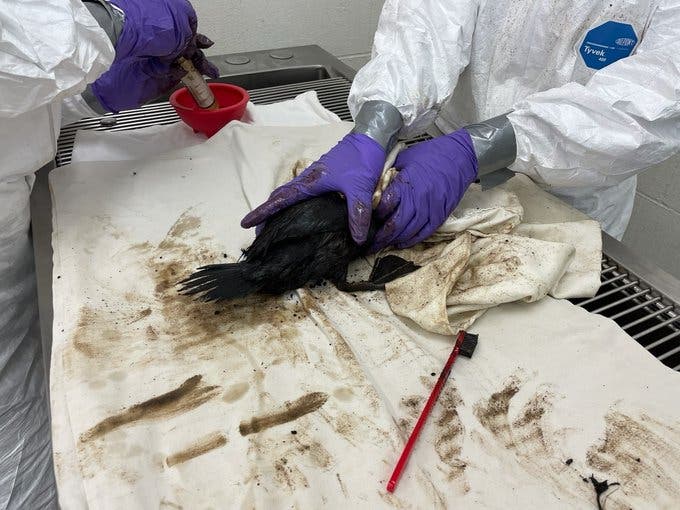
These include a brown pelican, a California gull, a Clark's Grebe, a double-crested cormorant, a ruddy duck, an American coot, an eared grebe, sanderling, five snowy plovers and six western grebes.
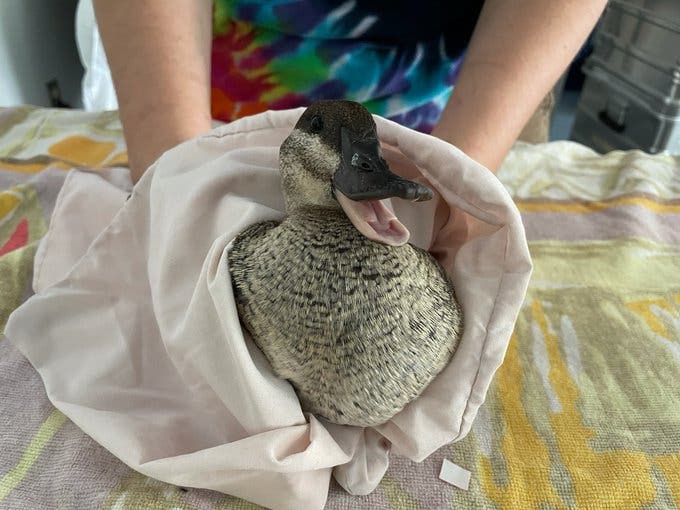
Not counted are the fish that have washed up dead alongshore. They are being feasted upon by area birds and other marine animals.
Crystal Cove State Beach Reels From Closures, Worry Of What's Next
Situated on unceded lands and waters of the Acjachemen and Tongva Tribal Nations, the team at the conservancy is well aware of the sacred cultural sites there. They are concerned about the long-term damage that the spill will cause, Wheeler said. She predicted it will be some time before the scope of devastation is known.
At the conservancy, day use of parking areas are closed. Swimming and surfing are canceled. The conservancy's popular cabins, which operate 365 days a year, have openings, she said. This is the first time that has happened since the pandemic.
"There are cottages available if visitors want to stay here," Wheeler says. "The Beach Comber Cafe is open, as is the Bootlegger. Walk-ups opened at 11 a.m., Thursday. Guests are canceling after hearing about the spill. We understand. The beach and water is the draw here." But the for-profit businesses run by the conservancy are imperative to their survival.
"The concessions support our educational programs," Wheeler said. Now, they are working with UC Irvine researchers to change the course of their current educational program from the effect of plastic on the shore to the effects of oil spills and offshore drilling.
Still, they are hopeful the worst of this oil spill disaster spared the Crystal Cove and the marine conservation area 1,200 feet offshore.
Dana Point County-Run Beaches Reopen As Harbor Remains Shut Down
In Laguna Beach, a note of cautious optimism ended the day Wednesday. The last of tarballs was thought to have been collected though beaches remained closed.
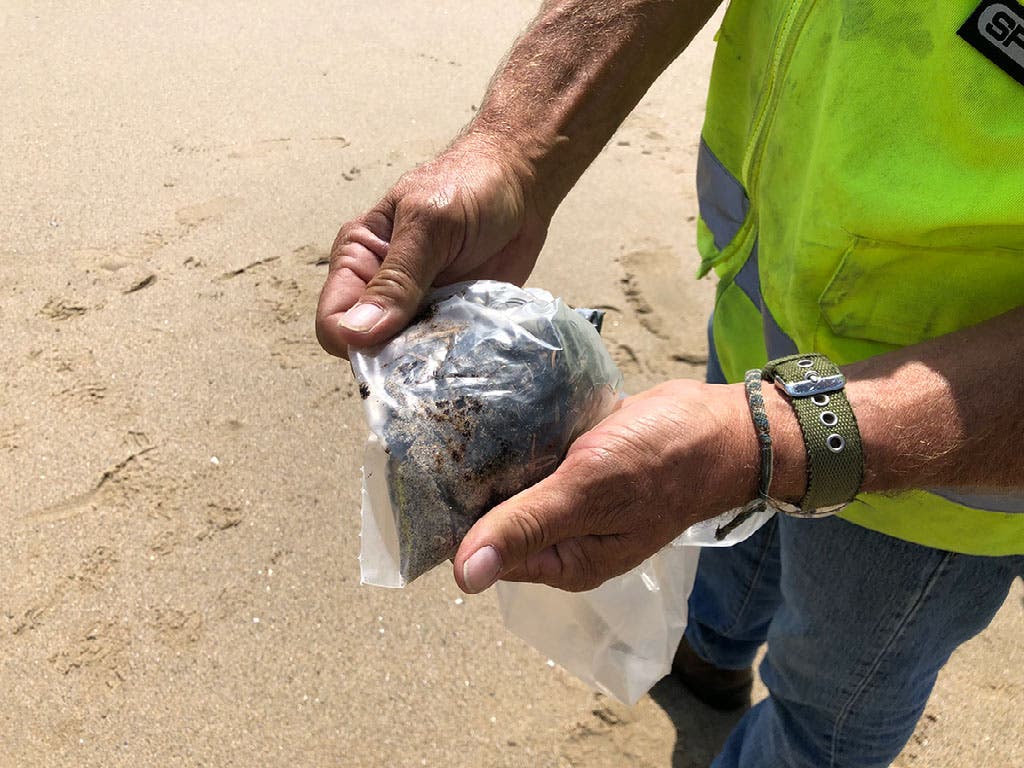
Further south, Dana Point beaches remain clear of sludge, oiled beach sand and tarballs according to Assistant City manager Kelly Reenders.
"We have no reports of oil on Dana Point beaches, and have a biologist monitoring beaches and tide pools daily in concert with the other teams deployed by the unified command," Reenders told Patch. Hours later, those beaches reopened.
Read: Dana Point Beaches Reopen, Harbor Remains Closed Amid Oil Spill
Dana Wharf Whale Watching and Sportfishing spokesperson Donna Kalez arrived at work on Thursday morning to a quiet wharf. No boats are going out this day, like the three days before. Since Monday night she has been in the business of telling whale watchers that their trips will be delayed.
The Whale Watching captains watching the oil slick via satellite, and remain hopeful it will keep heading south and west.
.jpg)
On Tuesday, Kalez and Dana Wharf Whale Watching set out to sea with a media crew to see how affected Huntington Beach and Newport waters are. With the majority of the oil moving south and west, on the surface, things seemed pristine.
"We're waiting for the word that the harbors can reopen, that we can return to the water," she said. Until then, she continues to tell clients that there is a way to help. You can volunteer with the California Fish and Wildlife Service to help with the Huntington Beach and Newport Beach cleanup efforts.
As of Thursday, community volunteers are now allowed to help in Newport Beach, provided they are 18-year-old, able to life 25 pounds and willing to follow county public health COVID-19 procedures. To register, visit Cal Spill Watch's website.
"If you have the heart to help, go and volunteer," Kalez says. "You can come whale watching for free." Their vessels out of Oceanside are still running, she says, and captains report normal marine mammal activity.
It seems like a different world since Sunday night when she and a cruise full of Doheny State Beach supporters went out on a sunset cruise, Kalez said. That night, the dolphins were at play, the sunset was amazing. Then, the harbor closure was announced as well as the stop fishing orders.
The water quality is unknown along area beaches. Though Orange County Health Care workers are testing the water quality every few hours at Salt Creek Beach, Kalez said.
Still, the scene is returning to life.
Surfers could return to the Dana Point area waves as of midday Thursday.
How the Oil Spill Happened And What Is Next For Southern California Beaches
Officials have yet to determine the number of factors that will plague Orange County in the coming days, weeks and months — from potential ecological impacts, harm to wildlife and reopening beaches.
"The biggest thing is the uncertainty," Coast Guard Petty Officer Steve Strohmaier told Patch Wednesday.
He said the oil was still moving south, but it remains unknown whether the oil would eventually reach San Diego.
"It's going to depend on a multitude of factors, such as tidal currents, wind, rain — any sort of surf storm surge that may occur," he said. "That's why we're surveying it still with over-flight, vessels on the water and satellite imagery."
As of Wednesday evening, the 13-square-mile slick was seen drifting somewhere between Dana Point and Oceanside, well beyond the coastal shelf.
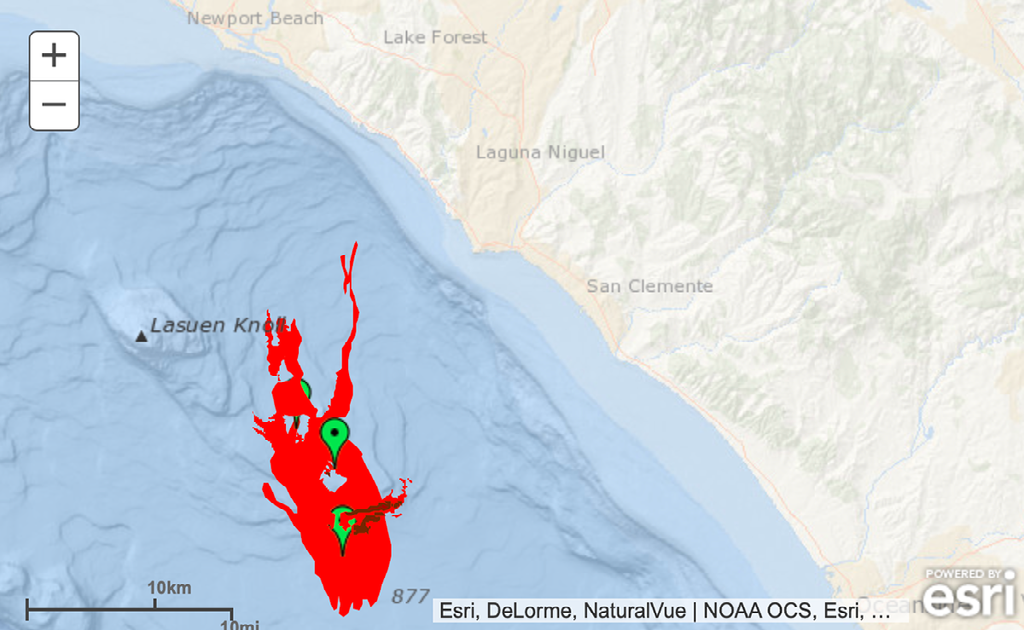
Strohmaier could not confirm the farthest point south that the oil had reached. Still, Newport Beach declared a local emergency Wednesday in response to the emergence of black and sticky tarballs and an oily sheen over the water. City officials urged residents to avoid contact with the ocean and oiled areas of the beach Wednesday.
READ MORE: Newport Beach Prepares For State Of Emergency
Storms earlier in the week may also have helped disperse the oil. More showers are expected to hit the region on Thursday and into Friday. Stohmaier previously said the erratic weather, such as the storm expected overnight into Friday, could make it more challenging to skim the crude as it spreads out.
In Huntington Beach, the water and shoreline were still closed, but people were allowed on the sand. Beachgoers played volleyball on the Huntington Beach sand Wednesday morning as walkers and bikers passed near the city's famed pier. A few globs of oil were visible along the shoreline, but a smell no longer lingered.
"There are still many beaches that are closed. We're serving those areas," Strohmaier said.
As officials raised public safety concerns this week, Strohmaier urged that authorities were constantly testing the water and air quality. So far, the air quality has remained safe, Strohmaier told Patch.
If the air quality falls into an unhealthy reading, Strohmaier said that an immediate notification would go out.
"I know there's some people that are saying there's a smell at areas that are slightly offshore or when the wind blows a certain direction — but all of the reports that come back have as good air quality," Strohmaier said.
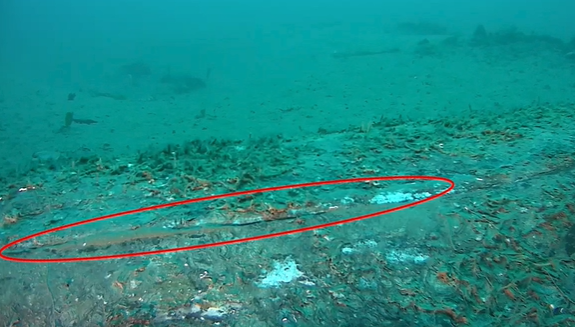
Investigators have said the spill might have been caused by a ship's anchor that hooked, dragged and tore open the underwater pipeline operated by Amplify. But the anchor is just one possibility, Stohmaier told Patch.
"They're still looking at a cause of maybe too much pressure. The pipeline could have been old, frozen — anything," he said. "An anchor is just one of the plausible causes of this."
.jpg)
Read More About The Southland Oil Spill:
- CA Oil Spill: How To Help OC's Marine Wildlife After Disaster
- Dana Point Beaches Reopen, Harbor Remains Closed Amid Oil Spill
- Huntington Beach Closed Due To 'Disastrous' 126K Oil Spill
- Oil Spill Cleanup Underway, Laguna Beach Cautiously Optimistic
- Should Huntington Beach High School Change Its Mascot, 'Oil Man'?
- Orange County Oil Spill: Photos As Cleanup Ensues
- Orange County Oil Spill: Seal Beach Spared From Damage
- Orange County Beaches Closed Due To 'Disastrous' 126K Oil Spill
- Newport Beach Harbor Closed Due To 'Disastrous' 126K Oil Spill
- Laguna Beaches Close Due To Massive Oil Spill In Orange County
- Orange County Oil Spill: Seal Beach Spared From Damage
- Orange County Beaches Closed Due To 'Disastrous' 126K Oil Spill
The Associated Press, City News Service and Patch staffers Kat Schuster, Miranda Ceja and Paige Austin contributed to this report.
Get more local news delivered straight to your inbox. Sign up for free Patch newsletters and alerts.