Neighbor News
The Effects of Tariffs In the Commercial Real Estate Industry
The Effects of Tariffs In the Commercial Real Estate Industry By Barry Saywitz, President of The Saywitz Company
Many people are very nervous about the upcoming effects of tariffs overall on the economy, how it affects their personal lives, and what effects that will have on other segments of industry. These concerns are rightly deserved, and the question remains whether the tariffs are a negotiating tactic by the government, whether they will work and even out the playing field with our foreign trade partners, and whether it will cause short term stress to the economy, the stock market, and the commercial real estate markets. The overall effects are unknown and create a very volatile environment with people’s reactions all across the board.
We have heard lots of talk as to how the tariffs will affect the auto industry, manufacturing, and ultimately these tariffs will impact the labor market, the commercial real estate market, and the housing market at the end of the day. Let’s take a deep dive into what potential impacts these tariffs will have, why, and their byproduct:
- Increased tariffs on manufacturing and trade will ultimately cause an increase in the cost of construction for commercial and residential real estate projects. This may cause an increase in the cost of items like heating and air conditioning units, raw materials, windows and doors, and even furniture used for commercial and residential properties. The results will be that the tariff costs will be passed on to the consumer in some way, which will cause an increase in price which will make the cost of everything go up. This will affect tenant improvement projects, new construction, home remodeling, you name it. While some products may be made in the United States, the majority of products for the construction industry are imported, and large portions of them are from Canada, Mexica, and China.
- These increased costs of construction will put pressure on developers and may cause construction projects to be stalled or delayed or may cause banks to have second thoughts with regards to financing on these projects as the construction costs may begin to increase significantly. This will make developers, contractors, lenders, as well as investors nervous about new projects moving forward. Less projects moving forward means less work for folks in the construction industry and the real estate industry and also means less transaction volume. The residential market is already constrained by a lack of inventory and therefore, there are less transactions taking place already. This may further complicate that situation. Increased costs of construction and tenant improvements for commercial properties will cause rents to increase due to the fact that the landlord cannot cover the cost of the improvements and still incorporate it into the rent, or those costs may be passed onto the tenant which may then put strain on the business itself.
- The higher costs mean less projects which means more competition for the same projects. The good news for developers is that this may cause the labor portion of construction to come down slightly. However, if the overall economy is struggling then companies will continue to struggle to make ends meet and turn a profit, in which case smaller jobs will become cost prohibitive to do and those property owners who are looking to do smaller projects and minor renovations will have a difficult time finding contractors who get excited to do the work.
- If construction costs go up and rents are not able to keep pace with the rising costs of construction, combined with the ongoing operating expense costs of increases in utilities, trash, property management fees, property taxes and insurance, all of this creates pressure on a building owner and their bottom-line profitability. The higher the operating expenses, the lower the profit, and the lower the profit the less the property is worth. We have already seen numerous examples of large office complexes trading significantly below replacement cost as a result of the fact that these buildings have significant vacancy and high operating expenses with no end in sight. Many of these larger office complexes are being re-tooled for residential or medical use as those seem to be a higher and better use than the office market at the moment. In other instances, we have seen smaller office buildings get torn down and redeveloped for apartments or for medical use, which again provides a higher and better use. Those longer-term redevelopment projects may be less impacted by the immediate tariffs as they are long term plays with longer term returns.
- The value add and fix and flip industry will suffer even further. The concept of buying a property, fixing it up, and flipping it by adding either value in the improvements to the property, or value by re-leasing it for more money, is significantly impacted by higher interest rates, higher construction costs, and an overall struggling economy. This has already been the case over the last 24 months and these additional tariffs will put further pressure on these types of projects.
- Less foreign investment in the United States and therefore, less capital coming into the country. Both the East and West coasts have experienced an influx of investors looking to purchase homes and property in the United States from Europe and from Asia. As the tariffs impact those countries, they will impact the businesses and the wealthy individuals who have been investing in the United States. What this means is there will be less capital coming into the country, less investors looking for opportunities as they will be waiting to see how the tariffs play out.
- Threat of recession- All of the talk about tariffs combined with an already fragile economy may turn the inflation that we have been experiencing over the past few years into a recessionary environment. Significant downward swings in the stock market, lowering of real estate values, tightening of lending practices, and overall public perception of the markets may cause the economy to begin to take a downward spiral before things get better.
- Public perception will dictate many people’s reactions. I believe that the biggest factor around the impact of the tariffs is what you hear and see on the news and online, and people’s public perception of how it impacts their daily lives. For some, they don’t believe it will impact them at all, and others believe that it will impact every aspect of their investment strategy and income. If people believe that things will cost more or that their investments or 401k plans have gone down in value, they will begin to spend less which will cause a contraction overall on the economy and people will need to be able to brace for a rougher road ahead. I think it is safe to say that there is no gain without any pain and in the short term, you should expect a very bumpy road. The question will be whether we can pull through these tariffs either through cooperation from our trading partners, a mutual understanding of cost and benefit, or whether our trade policies will actually prevail and make the economy and the United States stronger as a result of it with or without cooperation from other countries abroad.
The proof will be in the pudding and the results I believe will not be known in the short term. There are too many moving pieces, too many players, and too many complicated aspects of the economy that are tied to a by-product of what these tariffs produce. Additionally, this current administration’s promise of tax relief, no tax on tips, and other economic incentives for the average working American will have a huge impact on the majority of the people. The investors, the developers, the bankers and the lenders are all waiting with bated breath to see how it plays out.
My best advice is to buckle up and make sure you are prepared for the worst and take the necessary steps to adjust your own spending habits, your own expectations, and as a business owner, your own path for what the future holds as change is coming for sure and we all hope it is for the better.
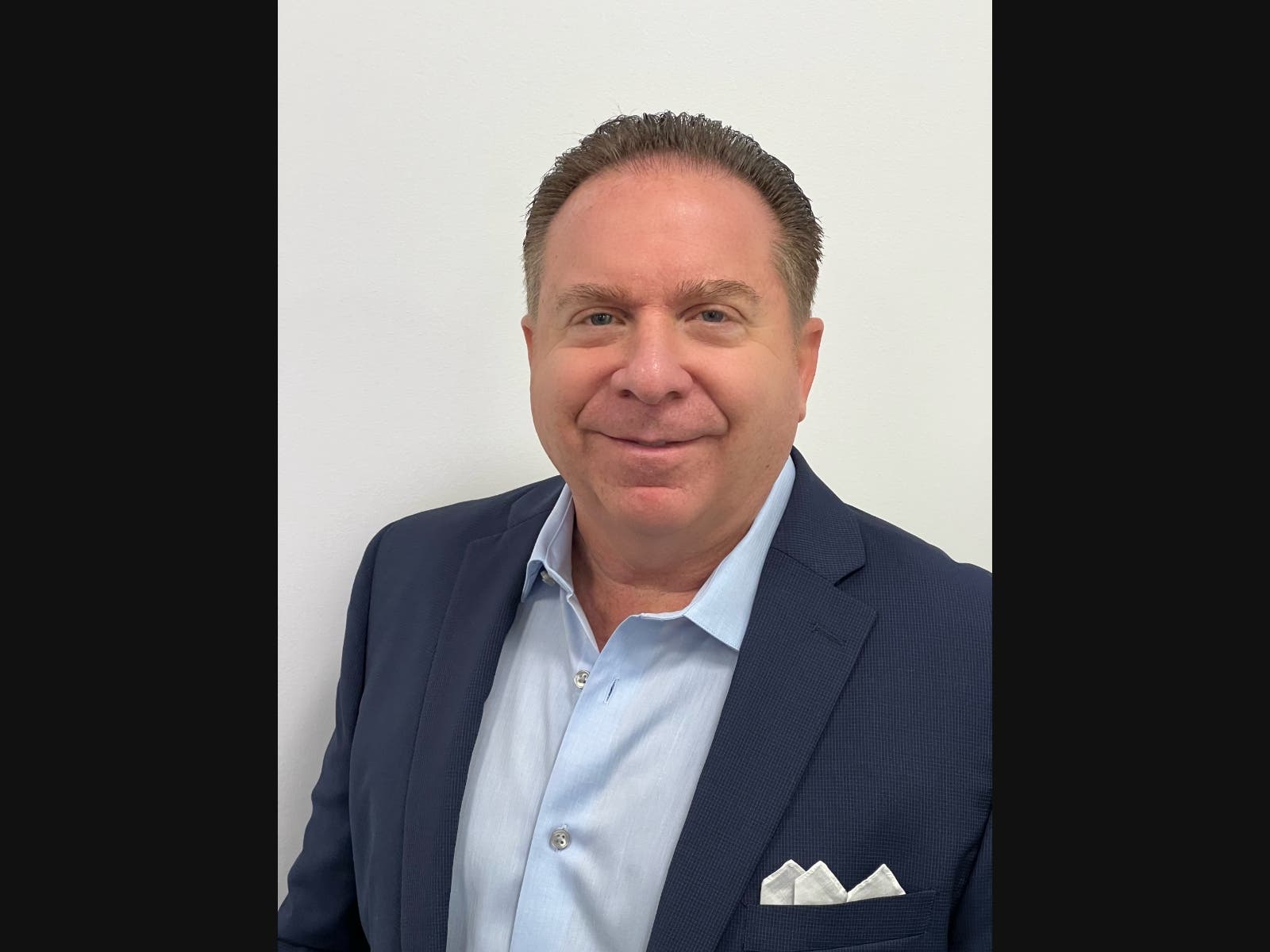
Barry Saywitz is President of The Saywitz Company and Managing Partner of Saywitz Properties. The Saywitz Company is a national commercial real estate brokerage, consulting and investment firm, headquartered in Newport Beach, California. Mr. Saywitz oversees the day-to-day operations of the company and is a 35 year veteran of the commercial real estate industry. He is a licensed commercial real estate broker and general contractor in the state of California. Mr. Saywitz is also a Managing Partner of Saywitz Properties, which owns a portfolio of commercial and multi-family properties throughout Southern California and is the host of "Let’s Talk Real Estate", a radio/podcast which airs live on OC Talk Radio each week, and his guests include politicians, major real estate players, throughout Southern California and the country. Additional information on The Saywitz Company and Mr. Saywitz can be found at www.saywitz.com.
Find out what's happening in Orange Countyfor free with the latest updates from Patch.
By Barry Saywitz, President of The Saywitz Company