Neighbor News
Exploring the Latest Advancements in IV Therapy Offered in California
Discover the Latest Innovations in Needle-Free, Infrared, and Personalized IV Therapy Now Available in Clinics Across California.

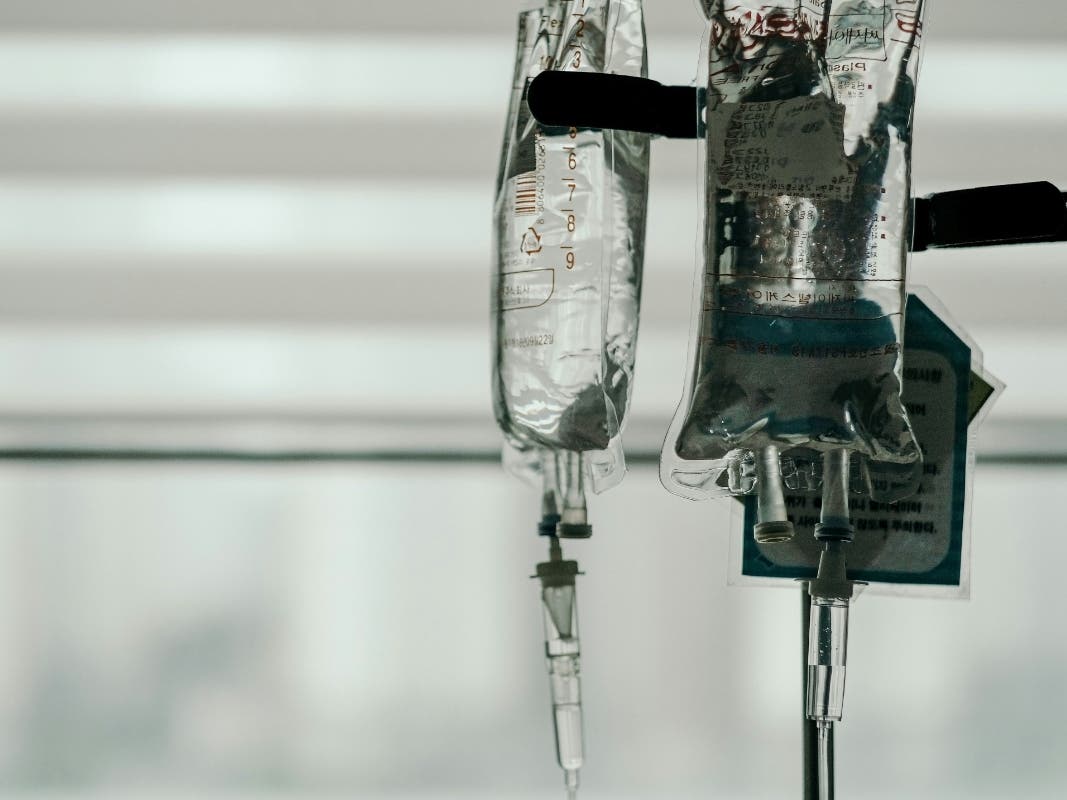
IV therapy has taken the world by storm.
In 2022, analysts valued the global IV therapy market at $2.2 billion, with a projected compound annual growth rate (CAGR) of nearly 8 percent between 2023 and 2030. As more patients worldwide discover the significant benefits of delivering essential nutrients and medications via IV infusion, its role in managing various medical conditions continues to grow.
Innovation is at the heart of the IV therapy boom, as experts seek to discover new ways to improve therapeutic care quality as well as the patient experience.
Find out what's happening in Orange Countyfor free with the latest updates from Patch.
Here are a few of the latest developments in the field.
- Needle-free IV Therapy is Expanding Access to More Patients
For some people, the prospect of having a medical practitioner puncture their skin with a needle is a non-starter. In fact, there’s a medical name for it: Trypanophobia.
Find out what's happening in Orange Countyfor free with the latest updates from Patch.
But times are changing. Today, many IV infusion centers are beginning to adopt needle-free IV systems, which use compressed gas to propel the IV connectors into the skin. Some of these systems can even inject numbing agents into the skin before the connectors to minimize the pain patients experience.
Most importantly, needle-free IV systems are safer for everyone involved. If, for example, a needle isn’t properly sanitized, it can pose a threat to the patient and medical practitioner. Needle-free IV systems reduce anxiety and pain while protecting the safety of everyone.
- It’s Becoming Easier to Find Veins
Finding veins is much more difficult than it sounds.
Some patients have veins that can collapse under the smallest amount of pressure. Others have veins that are simply too thin or difficult to find. In any case, medical practitioners who administer IV therapies must have years of experience and training before they can become experts.
Fortunately, many clinics are now embracing infrared light to locate veins. Using an FDA-approved handheld device, the medical professional shines the infrared light over the patient’s wrist. In just seconds, they will be able to view multiple veins and decide which to target.
While infrared imaging for IV therapy is a relatively new technology, there is a significant amount of evidence that it’s increasing the confidence and success rate of medical professionals tasked with administering the therapy.
- Genetic Testing is Making IV Therapy More Personalized
Our genes shape who we are, from our hair and eye color to our susceptibility to certain health conditions and genetic mutations. Some IV therapy clinics are now using the information collected from genetic tests to tailor treatment plans based on the patient’s needs.
The genetic tests could, for example, detect that a patient is likely to have a Vitamin D deficiency based on their genetic profile. With this information in hand, the clinician could formulate an IV drip with a higher dosage of Vitamin D to ensure the patient is getting their recommended dosage.
It’s worth noting that IV therapy cannot treat every condition detected on a genetic test. Patients who have undergone a test should review the results with their doctor to create a comprehensive treatment plan.
- Smart Infusion Pumps Are Delivering Key Health Insights
Precision is key with IV therapy. Both underdosages and overdosages can lead to adverse health effects for patients.
Smart infusion pumps are minimizing these types of mistakes by giving clinicians the ability to input the exact dosage amount. The pump takes over from there by injecting no more or less than the prescribed dosage.
At the same time, the smart pumps transmit real-time health data about the patient and alert a nurse if anything goes awry. The smart pump can also integrate with an electronic health record system (EHRS) to document when the IV therapy occurred, the dosage administered, and when the next therapy session should occur.
- IV Therapy Systems Can Now Send Out An Alert When Maintenance is Required
IV pumps and other equipment used during IV therapy sessions can be costly for clinics. Any downtime can cause delays in patient care and excessive maintenance costs.
In recent years, however, nearly all devices have become “smart.” And IV therapy equipment is no exception. As the machine operates, it’s constantly producing performance data about its internal processes, and the computer system within it is programmed to detect what are considered “normal” data patterns.
Over time, usage can begin to impact the performance of the equipment. Until recently, this decline in performance would typically only get addressed once it broke down. “Smart” equipment, on the other hand, can alert users before breakdowns occur so they can proactively schedule maintenance. These predictive analytics prevent clinics from needing to spend a considerable amount on maintenance while ensuring every patient can get timely care.
Experience the New World of IV Therapy First Hand
If you haven’t tried IV therapy already, there’s no better time to start than now. Find your nearest clinic or hospital and schedule your first appointment today.