Health & Fitness
LA County Looks To Reopen Beaches; COVID-19 Death Toll Still High
As businesses and recreation areas slowly reopen, the coronavirus remains the leading cause of death in Los Angeles.


LOS ANGELES, CA — Across Los Angeles Friday, a smattering of retail stores opened their doors for the first time in nearly two months, florists took orders for Mother's Day, and on Saturday golfers will set foot on the green to test their rusty swings. Each is tiptoeing around the threat posed by the coronavirus pandemic as Los Angeles continues to be the state's hotbed of COVID-19 infections.
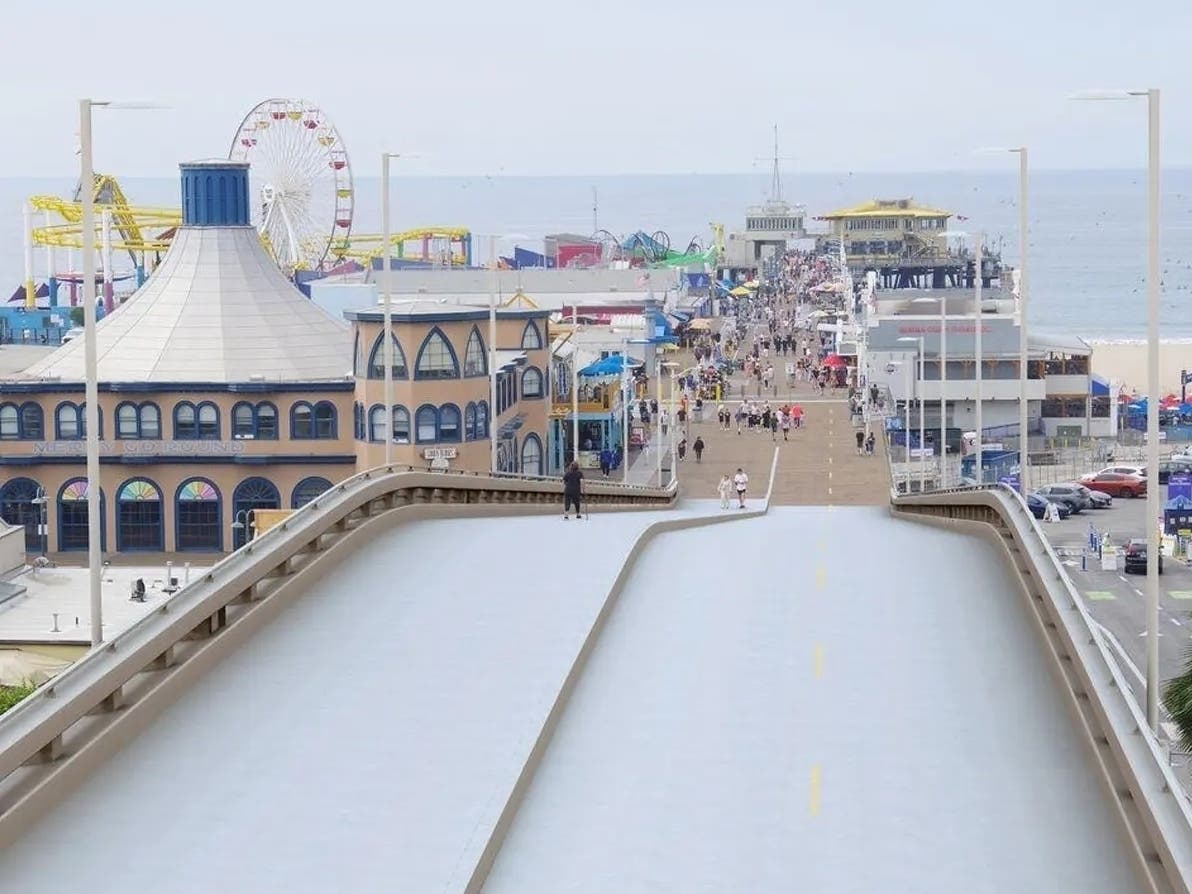
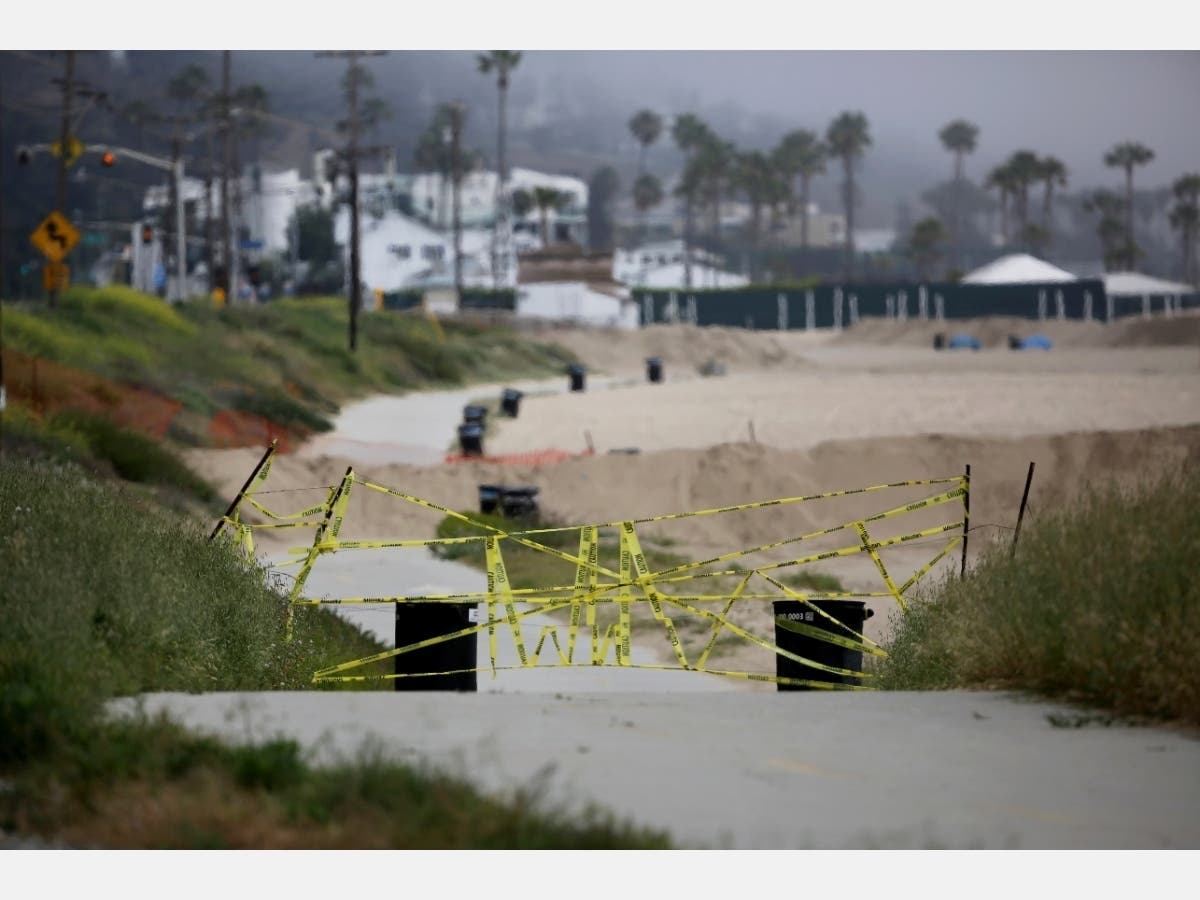
As the gradual reopening of LA County businesses and recreation areas begins, County officials are looking to reopen local beaches next — possibly as early as Wednesday. The beaches would likely reopen while parking lots, piers and boardwalks remain closed to avoid crowding.
“We don’t want a stampede to the beaches. ... This gives us a few more days before the weekend,” said Nicole Mooradian, public information officer for L.A. County’s Department of Beaches and Harbors told the Los Angeles Times.
Find out what's happening in Pacific Palisadesfor free with the latest updates from Patch.
Don't miss local and statewide news about coronavirus developments and precautions. Sign up for Patch alerts and daily newsletters.
The phased reopenings begin as COVID-19 cases and deaths continued to mount Friday, killing 51 more residents. Another 883 confirmed cases were also reported in Los Angeles County, bringing the overall total to 30,296. Of those, a total of 1,468 have died from the disease. The grim statistics mean that Angelenos should approach the gradual reopening with caution, said Barbara Ferrer, director of the county Department of Public Health.
Find out what's happening in Pacific Palisadesfor free with the latest updates from Patch.
"Protocols with directives on how to protect workers and customers is posted on our website, and stores and facilities are not allowed to open until they've complied with the changes and the directives," Ferrer said.
Residents over the age of 65 and those with underlying health conditions are still being asked to stay home to avoid the threat of infection, Ferrer said.
'Remember the new normal'
Among the stores allowed to reopen with are florists, toy stores, book stores, clothing retailers, sporting-goods stores and music shops — but only with curbside pickup service. Car dealers were also allowed to reopen, but with strict social-distancing and infection-control measures in showrooms.
The county will reopen its expansive hiking trail system on Saturday, with the exception of the popular Runyon Canyon trails, and visitors will be required to wear face coverings and maintain six feet of space from each other. Large groups will also be prohibited. Golf courses will reopen Saturday, also with restrictions on groups and activities.
"As these places reopen, we do need to remember the new normal," Ferrer said. "When we're out and about more, we have to behave as if anyone could be infected with COVID-19 and that we also could be infected. It is possible to infect people and be positive for COVID-19 even when you have no symptoms at all.
"And for people 65 and older and with underlying health conditions, you do need to remain home as much as possible. This is more important now than ever because there are more people out and about in our communities. So we ask you to not venture out except for your medical appointments."
Los Angeles County beaches remain closed. Ferrer said earlier this week that a plan for reopening the coastline was being finalized, but no timeline was given. Redondo Beach officials issued a statement saying they anticipated an order from the county allowing beaches to reopen for active uses no later than next Friday.
Long Beach Mayor Robert Garcia said Friday that while the beaches themselves remain closed, the city will reopen its beach and bike paths on Monday for active recreation, although social distancing mandates will remain in place.
But even as the health orders are eased back, authorities continued to warn that people who leave their homes must continue wearing face coverings when they mingle with other members of the public, and must maintain a six-foot distance between themselves and others.
Ferrer also said people who know they've been exposed to someone with the illness must quarantine themselves for 14 days, which is recognized as the incubation period for the virus.
She noted that since it can take two weeks for the infection to materialize, it could be that long before the impact of the business reopenings is known. Ferrer has suggested that an increase in cases is almost inevitable if more people leave their homes to visit newly opened businesses, but health officials will be closely monitoring case numbers and the mortality rate, particularly among vulnerable communities.
In announcing new case figures Friday, Ferrer stressed the continued disproportionate impact of the virus on communities of color and lower-income residents.
For the 1,352 people who died and for whom ethnicity information was available, 39% were Latinx, 29% were white, 18% were Asian, 12% were black and 1% were Native Hawaiian or Pacific Islander.
But factoring in the overall population of those communities showed a staggering difference in death rates. Ferrer said that for the Native Hawaiian community, the death rate from the virus is 89 for every 100,000 residents. For the black community, the rate is 18 deaths per 100,000 residents, compared to 15.5 for the Latinx community, 12 for Asians and nine for whites.
For residents living in communities with high poverty rates, the death rate is 29 people for 100,000 residents, compared to only eight per 100,000 in more affluent areas.
"The data are not only concerning, but they require all of us to work together and take quick action," Ferrer said.
She noted that the county on Friday began another round of serology tests, which are aimed at determining if people have developed antibodies against the coronavirus, an indication they have been infected with the virus at some point. A previous round of testing of randomly chosen people determined that roughly 4.1% of the county's 10 million residents had been infected -- far more than the results of actual COVID-19 testing has revealed.
Ferrer said the next round of antibody tests will include "more sampling among highly impacted groups," including the black community, Asians, Pacific Islanders, Latinos and Native Hawaiians.
City News Service and Patch Staffer Paige Austin contributed to this report.
Get more local news delivered straight to your inbox. Sign up for free Patch newsletters and alerts.