Health & Fitness
St. Louis Encephalitis Virus Detected In Coachella Valley
The discovery marks the first mosquito-borne virus of the year in the valley.


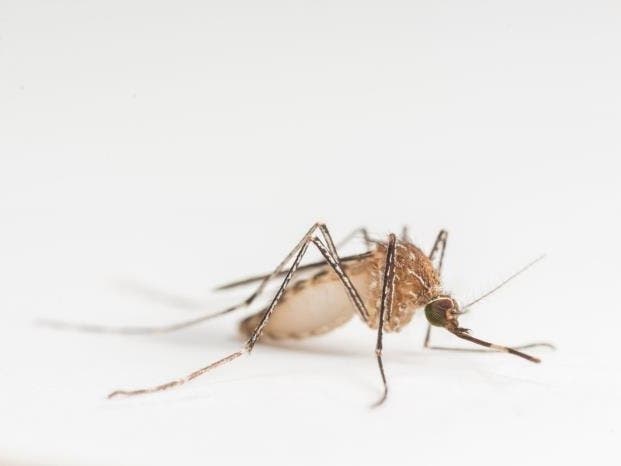
COACHELLA VALLEY, CA — The first mosquito-borne virus of the year has been detected in the Coachella Valley after a North Shore mosquito sample tested positive for St. Louis encephalitis virus, officials said Tuesday.
St. Louis encephalitis virus is spread to people by the bite of an infected mosquito. Most people infected with the virus do not have symptoms, but those who do become ill may experience fever, headache, nausea, vomiting, and tiredness.
Some people may develop neuroinvasive disease, such as encephalitis (inflammation of the brain) or meningitis (inflammation of the membranes that surround the brain and spinal cord). In rare cases, long-term disability or death can occur, according to the U.S. Centers for Disease Control and Prevention.
Find out what's happening in Palm Desertfor free with the latest updates from Patch.
"This detection serves as a early reminder that mosquito-borne viruses are present in our region each year," Coachella Valley Mosquito and Vector Control District Manager Jeremy Wittie said in a statement. "With recent rainfall and rising temperatures, mosquito populations can increase quickly.
We urge residents to take immediate action by dumping and draining any standing water around their homes on a weekly basis."
Find out what's happening in Palm Desertfor free with the latest updates from Patch.
The sample was collected near Avenue 72 and Garfield Street, officials said.
St. Louis encephalitis virus is transmitted when a mosquito feeds on an infected bird and later bites a person. No human cases have been reported in the Coachella Valley, and there is no vaccine for the virus, district officials said.
Targeted mosquito control treatments will be conducted at an unspecified date to reduce mosquito numbers and limit potential virus transmission.
Officials said the primary local carrier is the Culex tarsalis mosquito, which breeds in standing water such as neglected swimming pools, agricultural runoff, wetlands and storm drains and is most active during evening and early morning hours. The species differs from the invasive Aedes aegypti mosquito, which can transmit viruses including dengue, Zika and chikungunya.
Residents are encouraged to reduce mosquito breeding by dumping and draining standing water, emptying and scrubbing birdbaths and pet water bowls weekly, clearing yard drains and maintaining pools, spas and fountains.
To prevent bites, officials recommend using EPA-registered repellents containing DEET, picaridin, oil of lemon eucalyptus or IR3535, wearing long sleeves and pants outdoors, and repairing window and door screens.
—City News Service contributed to this report.
Get more local news delivered straight to your inbox. Sign up for free Patch newsletters and alerts.