Neighbor News
Stanford Professors Debate the Role of Media in Trump Administration
Is President Trump a by-product of media economics?

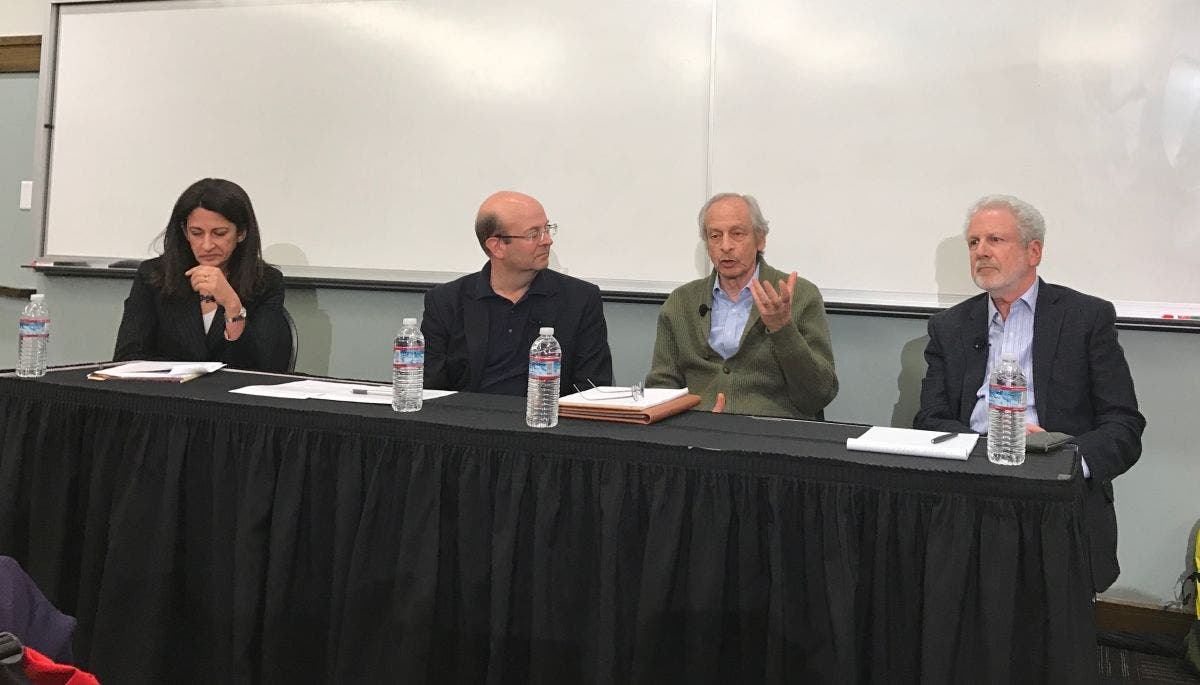
When “media became the story” and President Donald J. Trump repeatedly began to brand media as “fake, dishonest and opposition,” the distinguished faculty of journalism at Stanford University felt the need to take center stage. A panel consisting of Janine Zacharia, James T. Hamilton, Theodore L. Glasser and Philip Taubman came together on Wednesday, Feb. 1, at the Stanford Campus to talk, discuss, critique and address the new challenges faced by media in a landscape dominated by “alternative facts” and “Twitter storms.”
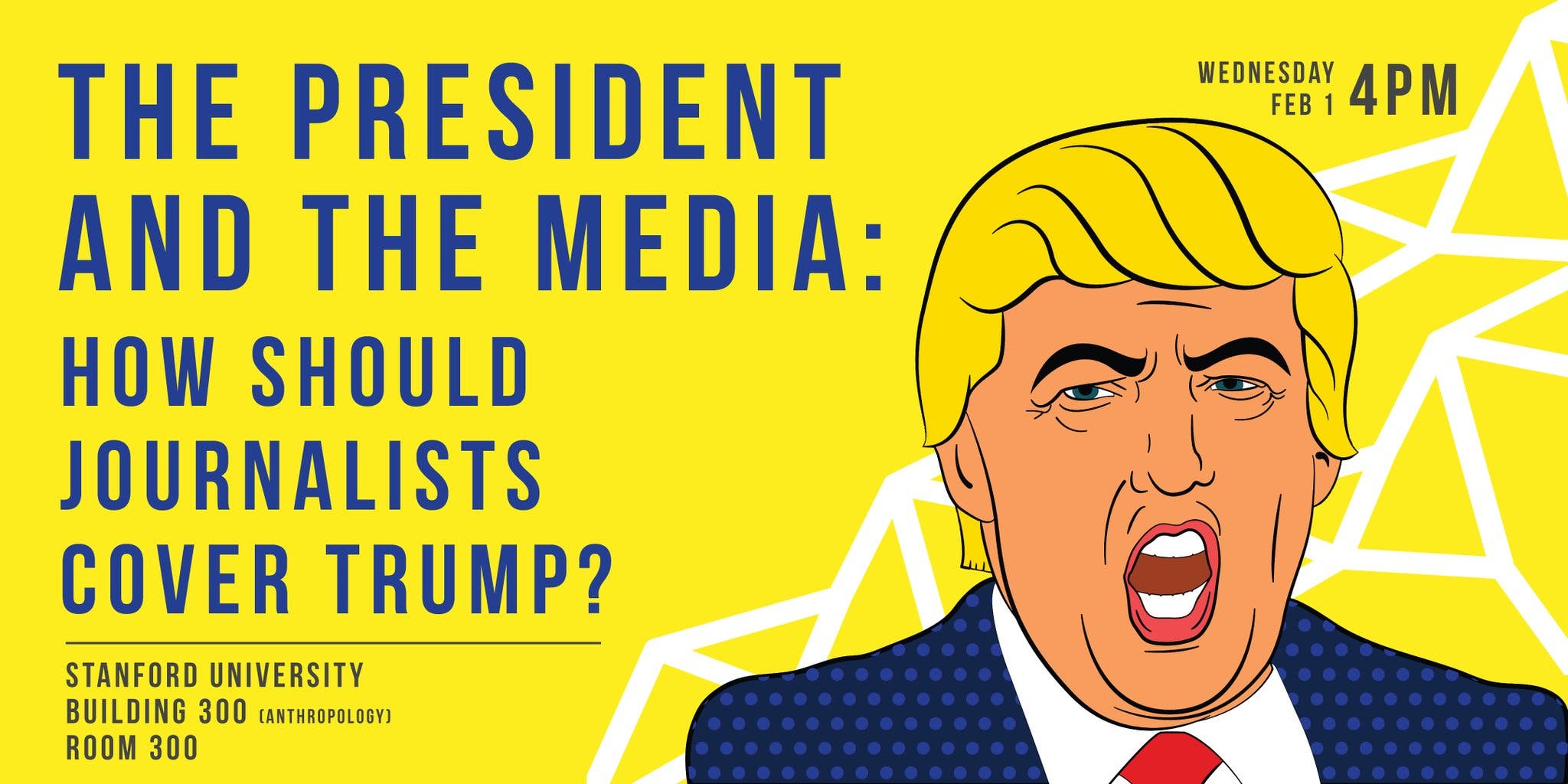
Zacharia, a former journalist with the Washington Post and Bloomberg News, opened the discussion with some pressing questions: What do we do as the media, when the White House is bent upon making its version of reality, the sole version of reality by bypassing the traditional media? How do you handle White House briefings when the President’s comments are full of falsehoods? How does reporting really have an impact when the White House is trying to discredit the media as a legitimate source of news in the minds of the Americans? What are the protections for journalists in this country?
At a time so unprecedented, Glasser, author of several books, felt the need for journalists to act as a “collective force.”
Find out what's happening in Palo Altofor free with the latest updates from Patch.
“We desperately need a space and a place for journalists to come together – not by themselves – but with the public for purposes of defining quality journalism,” he said. Glasser went on to advocate for a body that can engage in processes and certifications to set certain standards and benchmarks for newsrooms across the nation, which met approval of other panelists as well.
Hearst professor of communication at Stanford, Hamilton, drew interesting parallels between President Trump and President Nixon. President Nixon, too, attempted to undermine the credibility of media. He even tapped the phones of the reporters.
Find out what's happening in Palo Altofor free with the latest updates from Patch.
Taubman, specialist in national security affairs and former New York Times reporter and editor, came hard on President Trump, saying “While every White House going back to FDR has tried to spin American people on what they are doing,” Trump’s level of intensity and brazenness at circumventing the White House press corps, Washington press corps, and the American press is “something we’ve never seen before.”
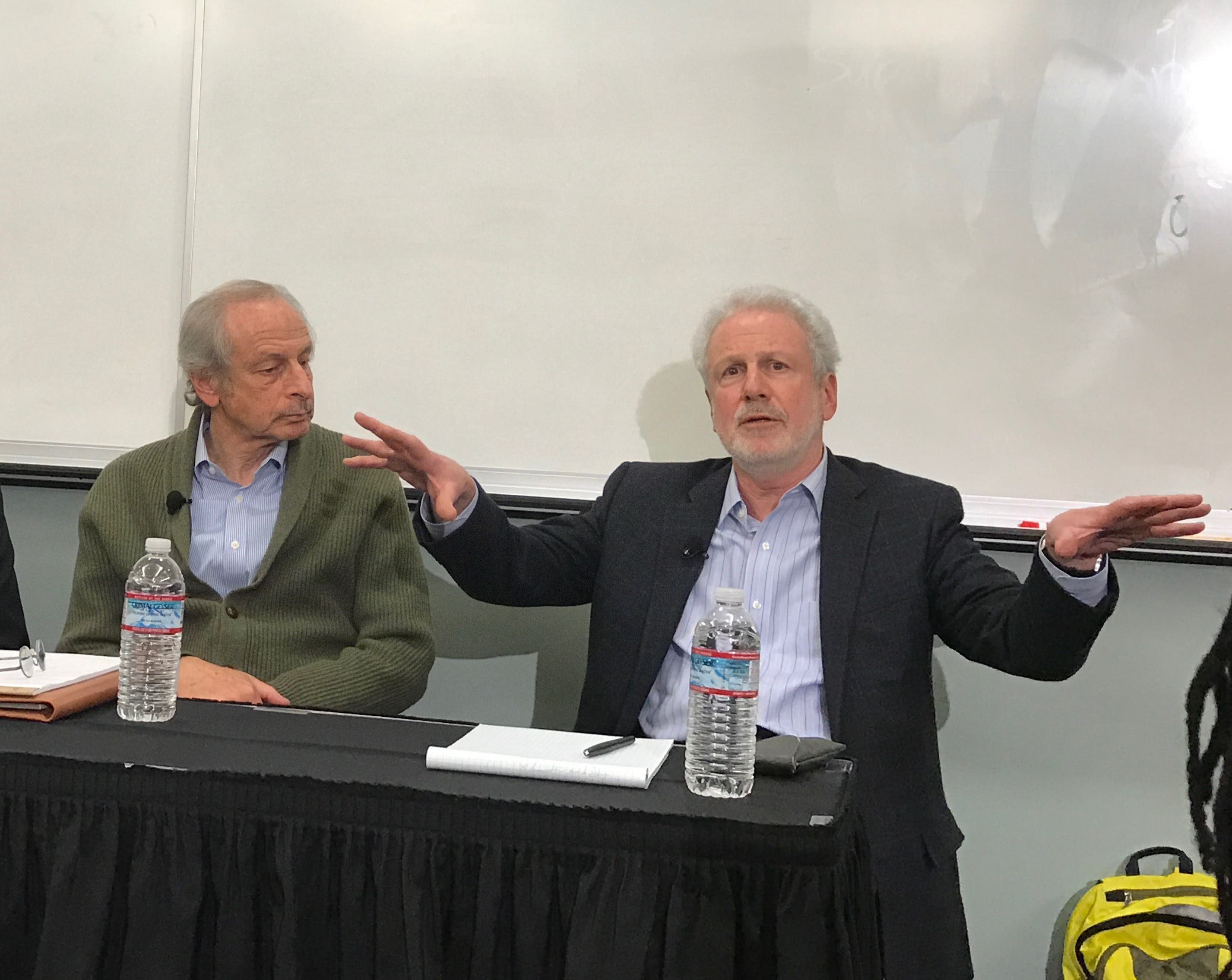 Left: Theodore L. Glasser, Right: Philip Taubman
 There was discussion around the importance of fact-checking, accountability, psychology, language and even sending interns to cover White House press briefings! Zacharia reminded the audience about President Obama’s final address to media where he said, “You’re not supposed to be sycophants. You’re supposed to be skeptics. You’re supposed to ask tough questions.”
As we get ready to usher in an era of fearless journalism, we also need to think about the safety of the folks reporting from the frontlines. With the first amendment offering only limited protection, the panel agreed that journalists are very vulnerable, and they need to be offered more protection.
Finally, is President Trump a result of media economics? Hamilton, winner of many awards, think so. “President Trump’s experience in media gives him some very distinct powers,” and he, in fact is a by-product of “media economics.” The reality TV show ‘The Apprentice’ made his run even possible. Tell us in comments if you agree.
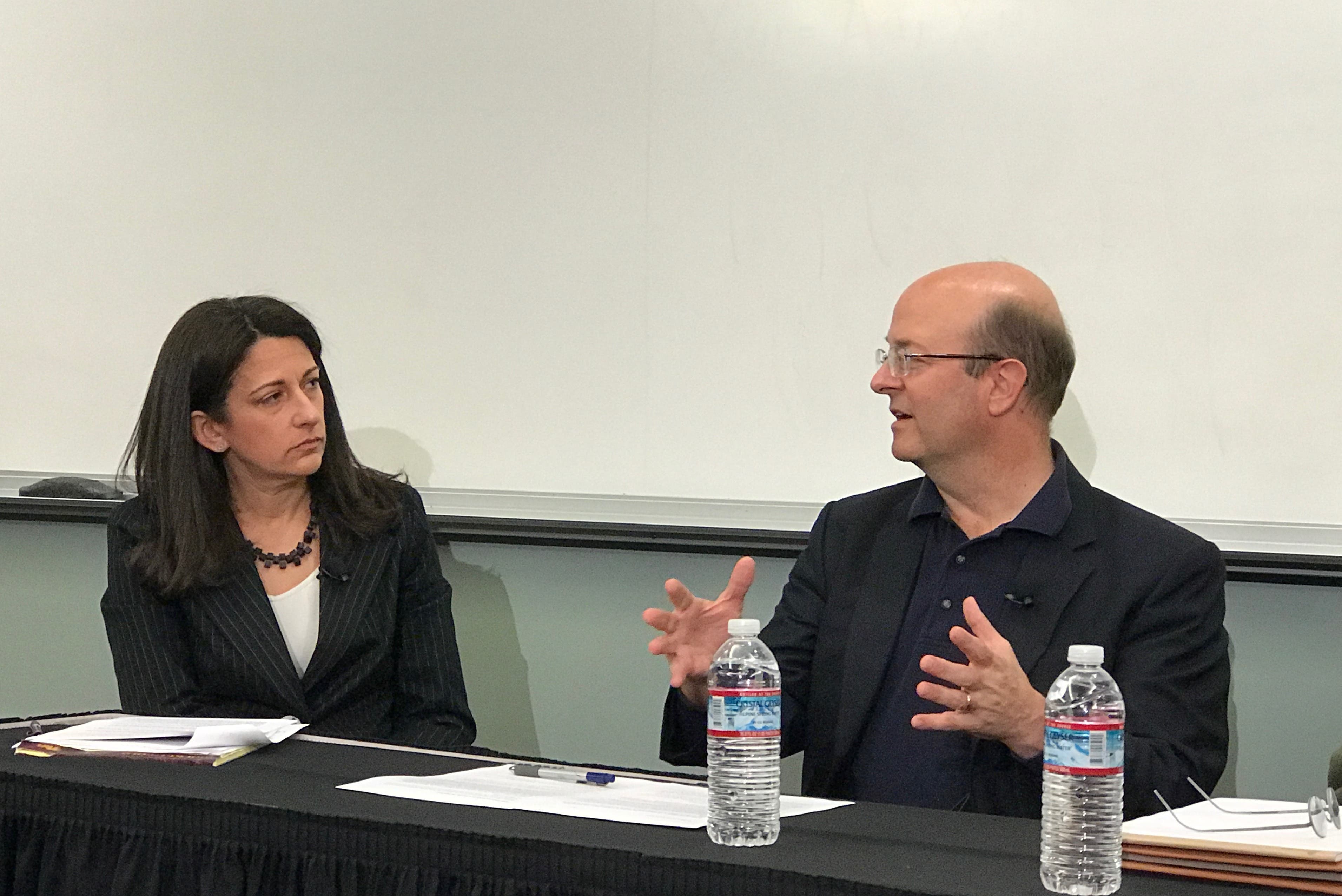 Left: Janine Zacharia, Right: James T. Hamilton
The video of the entire discussion is available on Stanford’s Facebook page.
Clipart Credit: Open Clip Art; Image Credit: Chitra Rakesh