Community Corner
Confiscated Snakes Find New Home at Oakland Zoo
Officials say the snakes were smuggled out of South America. Guests are welcome to see the new snakes daily from 10 p.m. to 4 p.m.



Information, photos submitted by Oakland Zoo:
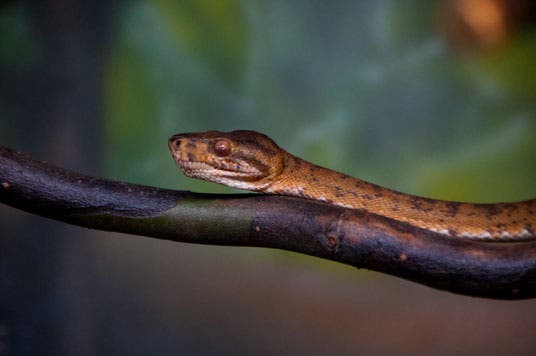
Three Amazon Tree Boas are adjusting to their new home in Oakland Zoo’s Reptile and Amphibian Discovery Room. Prior to moving into their new habitat, the three snakes were living in the Zoo’s Veterinary Hospital for several months, after being illegally imported into the Port of Miami. USFWS (U.S. Fish and Wildlife Service) agents confiscated a large group of these snakes that were smuggled out of South America. In situations like this, the snakes cannot be returned to the wild. Instead, USFWS contacts AZA (Association of Zoos and Aquariums) zoos to house and care for the animals in quarantine, while authorities conduct an investigation into the case.
AZA’s Snake advisory group was contacted in this particular case and Oakland Zoo agreed to take four of the snakes, knowing there was a fifty percent chance the snakes would not survive.
Find out what's happening in Piedmontfor free with the latest updates from Patch.
“Animals illegally imported from the wild and into the pet trade are subjected to horrific conditions during the transport including overcrowding, extreme temperatures, and little to no sanitation, leading to a very low survival rate,” said Margaret Rousser, Zoological Manager at Oakland Zoo. “This is also a primary cause of many species becoming endangered. When looking for pet reptiles or birds, owners should only purchase animals that are captive bred and ensure that they are dealing with a reputable source. The best option is to work with a rescue organization.”
The four boas arrived at Oakland Zoo with internal and external parasites. Veterinary staff carefully removed ticks by hand and treated the reptiles for their ailments. One of the snakes did not survive the quarantine period; however, the three others healed, became healthy, and are doing very well at this time.
Find out what's happening in Piedmontfor free with the latest updates from Patch.
Since the animals were wild caught and are new to their exhibit, zookeepers are adding several hiding places to their habitat, so that the snakes can slowly get used to the new environment. Guests are welcome to see the new snakes daily from 10:00 – 4:00pm.
ABOUT AMAZON TREE BOAS (Corallus hortulanus)
Amazon tree boas are found in a wide variety of habitats. They are common in arboreal regions with high humidity, especially Amazon rainforest. They can also be found in dry areas such as savannas or dry forests. Amazon tree boas are also relatively common along rivers. The snakes are well known for their highly variable color and patterns, with base colors varying from pale tan to black, with yellowish and reddish tinges. The head has five dark stripes that extend form the eyes. They are marked with blotches or bands. The snake’s coloring helps them to camouflage during the daylight hours. The animal’s eyes can be yellowish, grayish, or reddish, and their tongues are black.
The average lifespan of this animal in captivity is approximately twenty years. In the wild, their diet consists of birds, bats, frogs, rodents, lizards, and marsupials. The boas hunt at night using infrared sensitivity and during the day using vision. This type of snake is generally aggressive. They like to hang from branches with the front party of their body shaped into an S-shaped curve, allowing them to strike at prey from a surprising distance. While they are aggressive in nature, this species is non-venomous.
Get more local news delivered straight to your inbox. Sign up for free Patch newsletters and alerts.