Kids & Family
Doing What Is Best For Your Child During A Divorce
Parents often get so caught up in the fight that they do not see what they are doing to their children, expert says.


BAY AREA, CA – Dr. Michael Rubino, a Bay Area psychotherapist who has worked with children, teens and families for more than 19 years, addresses how to best handle divorce.
---
By Michael Rubino, Ph.D, MFT
As a psychotherapist who specializes in treating children and teenagers, I have worked on many high-conflict divorces. I have been the therapist for the children, an expert witness regarding custody, worked as part of the mediation team and served as a 730 court-appointed expert regarding custody and visitation.
Find out what's happening in Pleasant Hillfor free with the latest updates from Patch.
In the various roles I have had in high-conflict divorce cases and also the average divorce cases, there is a common issue I have encountered -- making decisions.
Many times I have seen divorce cases become vicious because one parent is reluctant to make a decision. They feel they have made too many concessions already or they feel they will look weak.
Find out what's happening in Pleasant Hillfor free with the latest updates from Patch.
So in other words, the decision now becomes a matter of pride and not what is in everyone's best interest.
Divorces are very emotional and hurtful experiences for both partners. They are also very hurtful and emotional experiences for the children.
The children feel like they are in the middle of a civil war and that they need to pick a side. This is usually an impossible task for a child.
They have to decide who they love more -- mom or dad. How does a child make this choice?
Parents often get so caught up in the fight that they do not see what they are doing to their children. Children tell me they wish this whole divorce stuff would go away because they cannot stand it. They cannot choose between their mother or father.
They are also afraid of what will happen if they make a choice, or if they do not make a choice. They feel they are in a no-win situation.
I usually meet with the parents to tell them how their child is handling the divorce. Very often for the first 30 to 45 minutes, I hear from the parent how unfair this whole divorce has been ... and how much it has cost them and they are running out of money.
Mothers have their reasons about how unfair courts and attorneys are to mothers. Fathers complain that the court and attorneys are unfair to fathers. They also talk about a particular decision that is being made at that point -- such as what school the children will go to or how holidays will be divided.
Typically at this point, both parents feel they have had to give in a lot, and they are not going to give in anymore. All this attitude does is create more attorney bills and put the children under a great deal of stress.
By this point in the divorce process, many children are having difficulties with their school work. Parents and teenagers often start to use alcohol or pot for a temporary escape from the stress.
Younger children usually start reporting stomachaches and headaches and often start to wet their beds at night again. These are all common reactions for younger children under stress.
When I do meet with the parents, I encourage them to take a step back and look at the entire situation. What is the divorce costing them financially, emotionally? Also what is the divorce costing their children emotionally in the short term and long term?
I ask them is the price worth the fight? They are possibly doing damage to their relationship with their children, and they are affecting how their children will view and think about relationships. Also they are damaging their relationship with the other parent.
After the divorce is finalized, the other parent is not going to disappear. They have children together. Therefore, they are going to need to co-parent together.
With all the bad blood being created, it may make it very difficult to co-parent together, so the arguing and attorney bills will continue.
However, the most important point is the children will still be caught in the middle. This will create emotional damage for the children.
They can understand the arguing during the divorce, but not after. At that point, the children expect their parents to act like adults.
Trying to help the children, I encourage the parents to put their egos away and what everyone is telling them that they deserve.
I encourage the parents to use their emotions and imagine how their children are feeling and how their children will feel the longer that the fighting continues. I recommend to parents that they need to put their children first and make the decision that is best for their children not their ego.
They may win this battle, but is it worth losing the war? They lose the war by the emotional turmoil they are creating for their children. We also know from research studies that putting children under this type of stress can have long-lasting effects.
Therefore, I point out it is more important to do what is best for the children. It might be hard right now, but in the long run their children will be happier and so will they.
Therefore, my recommendation when making decisions regarding child support, visitation or anything to do with the children is to put pride to the side and do what is in your children's best interest. It is your responsibility as a parent.
Also remember you are ending your marriage, but you still need to co-parent with the person you are divorcing.
Again as a responsible parent, you need to make the decision that will allow you to co-parent.
One issue that I have not explicitly stated is the approach I am discussing is for divorces where a spouse had an affair or is tired of being married etc. I am not discussing a marriage where there was domestic violence, child abuse, physical or emotional, or severe substance abuse by one parent. If any of these issues exist then it is a different matter and requires a different approach.
For other columns from Dr. Rubino, see:
- Why Our Children Are More Depressed And Anxious
- Teens, Tweens And Cell Phones: Advice For Parents
- Does My Child Need An ADHD Assessment?
Rubino practices in Pleasant Hill. For more information, visit his website at www.rcs-ca.com or follow him on Twitter @RubinoTherapy.
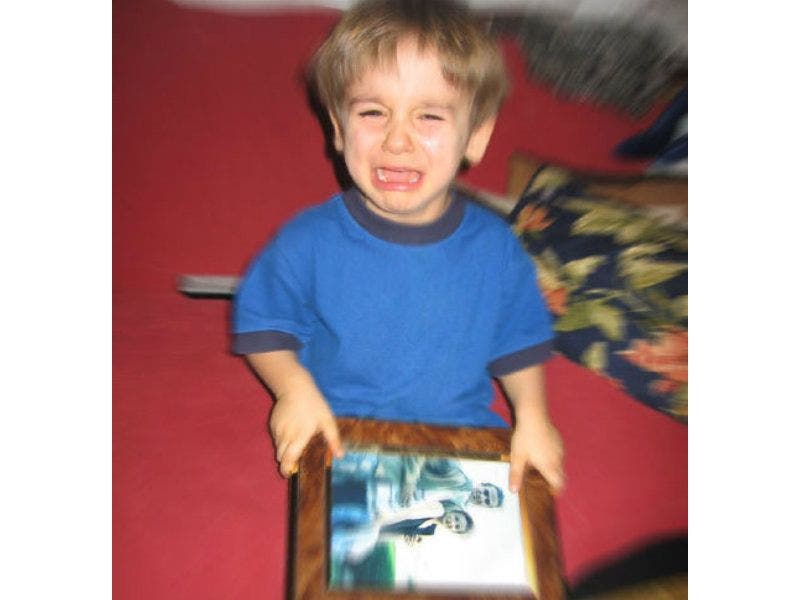
--Image via Morguefile
Get more local news delivered straight to your inbox. Sign up for free Patch newsletters and alerts.