Politics & Government
Meet The Pleasanton Candidate: Julie Testa
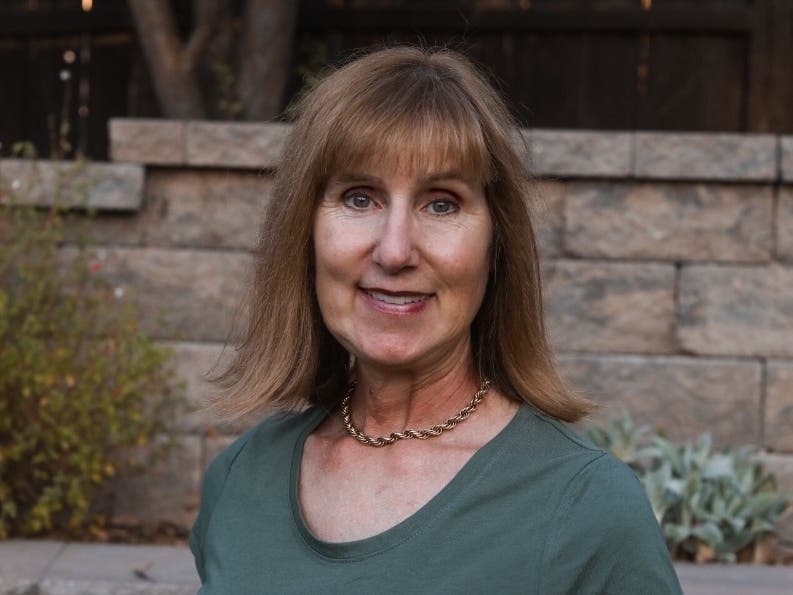
Patch reached out to all the candidates running for city council and mayor in Pleasanton. Meet Julie Testa, candidate for mayor.


PLEASANTON, CA — Patch reached out to all the candidates for mayor and city council in Pleasanton.
Two candidates each are running for mayor, District 1, and District 2.
We sent out questionnaires and reprinted their answers verbatim. Below, read the responses of Julie Testa, a council member running for mayor against incumbent Jack Balch.
Find out what's happening in Pleasantonfor free with the latest updates from Patch.
What is your educational background?
No response given.
Find out what's happening in Pleasantonfor free with the latest updates from Patch.
What is your professional background?
Silicon Valley Small Business Owner 30+ years of small business management.
Have you ever held public office, whether appointive or elective?
Yes. I have served on the Pleasanton City Council for eight years, completing two consecutive four-year terms. Before my election, I served for more than a decade on Pleasanton’s Human Services Commission. My public service has also included regional boards addressing issues that affect Pleasanton residents.
What are the top three issues facing Pleasanton right now?
Fiscal sustainability. We must address our structural deficit and rising employee and pension costs while protecting essential services. Ongoing expenses require reliable ongoing revenue, not repeated withdrawals from reserves.
2. Responsible, affordable housing. I support housing for our next generation. I oppose inflated, unfunded state mandates that disregard our infrastructure, water supply, finances and community character. Pleasanton must meet its legal obligations while joining other cities to demand realistic requirements and affordable housing funding.
3. Public safety and quality of life. Residents and businesses deserve safe neighborhoods, effective emergency response, clean drinking water and well-maintained parks. That includes preventing property crime and strengthening compassionate responses to people experiencing crises
What is one specific action you would prioritize during your first year in office?
I would prioritize adoption of a publicly accountable, multiyear plan to address Pleasanton’s structural budget deficit. It should identify reliable revenue and clear priorities for protecting resident services, with measurable goals and regular public reporting.
The plan must examine, contracts, administrative spending and the ongoing operating costs of capital projects.
Pleasanton has faced projected multimillion-dollar budget shortfalls. What services would you protect, and what combination of spending reductions or new revenue would you support to stabilize city finances?
I would protect police, fire and emergency response; safe drinking water; essential infrastructure maintenance; and services supporting vulnerable residents. Parks, libraries and community programs also deserve protection because they contribute directly to residents’ quality of life.
Spending reductions should begin with administrative efficiencies, contract reviews, purchasing savings and deferring projects we cannot afford to build and maintain. Employee compensation and pension obligations must be part of an honest financial discussion, with a focus on controlling future cost growth while honoring existing obligations.
I would support strengthening revenue through downtown revitalization, filling vacant commercial spaces and helping existing businesses succeed.
Reserves should not become a recurring substitute for balancing ongoing expenses with ongoing revenue. Likewise, withdrawing pension trust earnings has a long-term cost: those funds lose the opportunity to compound and help meet future obligations.
Fiscal stewardship means making sustainable choices now, rather than shifting larger costs to future councils.
Pleasanton must accommodate substantial new housing growth, including redevelopment around the Stoneridge Shopping Center. Where should new housing be concentrated, and how should the city address affordability, traffic and infrastructure impacts?
New housing should be in locations identified through responsible local planning.
Redevelopment around Stoneridge Shopping Center offers an opportunity, but its scale and design must account for traffic, infrastructure capacity and the surrounding community. Downtown housing should be minimized with respect to historic character.
Affordability must be an explicit priority. Pleasanton should use inclusionary housing requirements where legally available, pursue affordable housing partnerships and seek state and regional funding. Increasing the number of homes alone does not ensure that working families or our next generation can afford them.
Infrastructure planning must accompany housing approvals. We need credible assessments of cumulative traffic, water, sewer and emergency-service impacts, with clear funding responsibilities and improvements timed to serve new development. The city should require developers to pay their legally attributable share.
Pleasanton must meet its legal obligations while standing up for responsible local planning. I would work with a coalition of cities to challenge inflated, unfunded mandates and demand the resources needed to create affordable housing.
Pleasanton businesses have experienced a recent series of burglaries and break-ins. What specific steps should the city take to reduce property crime and support affected businesses?
PPD should offer security assessments addressing lighting, entry points, alarms and camera placement. Working with business organizations, it should strengthen communication among merchants and make reporting incidents straightforward. Where appropriate, existing investigative technology should be used with clear privacy safeguards and oversight.
Affected businesses also need a responsive city: help navigating repair permits, referrals to available assistance and follow-up.
We should track results and adjust our approach based on what reduces crime. Our businesses are part of Pleasanton’s community, and protecting them protects employees, customers and the vitality of our downtown and commercial districts.
Measure HH would increase Pleasanton’s hotel tax from 10% to 12%, generating an estimated $2.3 million annually for general city services. Do you support or oppose the measure, and how should the additional revenue be used if it passes?
I support Measure HH.
If voters approve the measure, I would prioritize its additional revenue for essential services and the city’s structural budget deficit.
Public safety, essential infrastructure maintenance and protecting resident services should guide budget decisions. Because the revenue would support general city services, residents deserve clear annual reporting showing how much was collected and how it was allocated.Pleasanton still needs spending discipline, control of ongoing cost growth and a transparent, multiyear financial plan.
Why do you feel you're a better candidate than your opponents?
I bring eight years of City Council experience, decades of community service, and a record of putting residents first.
My leadership delivers practicals results. On Wayside Park, I proposed using the money already available to get the park completed, rather than continuing an unfunded $12–$14 million master plan. I said, “Let’s get it done,” and residents now have a park they can enjoy.
My advocacy through NAMI helped lead me to spearhead the Alternate Response Unit, pairing a licensed mental health clinician with police officers on designated calls. That reflects my commitment to public safety and compassionate care.
I bring fiscal discipline and a clear housing position: support homes our next generation can afford, protect Pleasanton’s community character, and join other cities to challenge inflated, unfunded state mandates.
As Mayor, my responsibility will be to the people of Pleasanton, with every decision grounded in what serves residents and taxpayers best.
Get more local news delivered straight to your inbox. Sign up for free Patch newsletters and alerts.