Health & Fitness
Back to the Basics of Eggs
Chickens can produce wonderful, fresh, great tasting eggs of all sizes and colors. One of the things many people don't consider when buying chickens is their egg production.
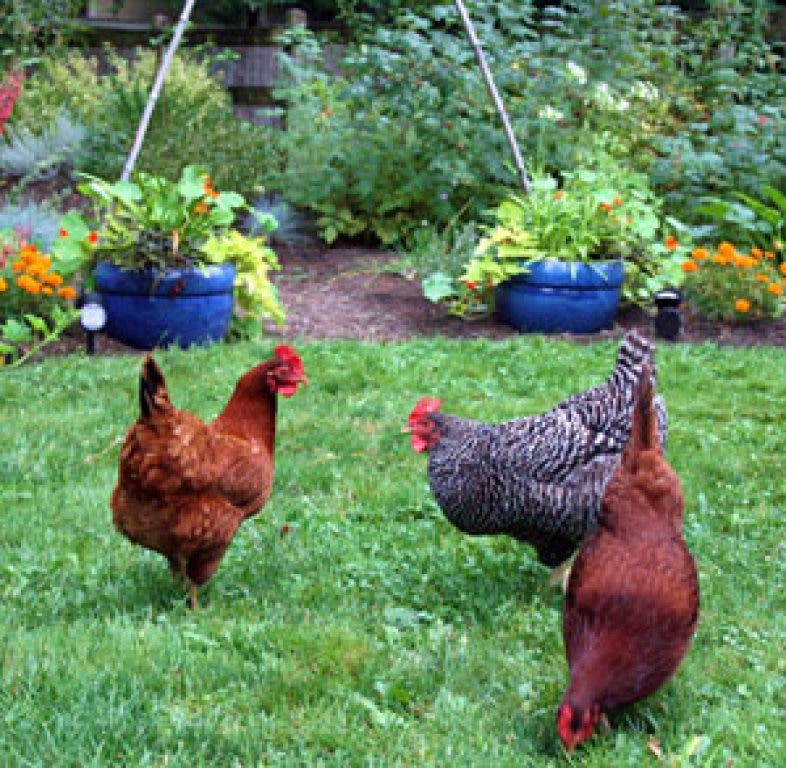
Chickens can produce wonderful, fresh, great tasting eggs of all sizes and colors. One of the things many people don’t consider when buying chickens is their egg production. Size, flavor, and quantity all go into the cost. Many people choose their chickens on their feather colors, but here we will focus on the cost. Obviously, the best layers are Leg Horns. Eggs from Leg Horns are the large, white eggs we buy in stores. Many of us remember the cartoon with Fog Horn, Leg Horn. The large white rooster that always picked on the dog. Leg Horns have the highest in egg production, producing on average 300 large white eggs per year.
Next would be Road Island Reds. Like the Leg Horns, they’re a skinny chicken and lay around 250 eggs per year. Unlike the Leg Horns, most everyone can taste the difference and they lay large brown eggs. Most of my hens are Road Islands. That’s my personal choice since I do not plan on later eating the meat.
Barred (Plymouth) Rock chickens are the top meat hens, laying at 200 eggs per year. Barred Rocks are a meaty hen, much wider than the Leg Horns and Road Islands. They’re most distinguishable by their black and white speckled feathers. To my recollection, this breed was considered endangered until the downturn of the economy. Now they are the top breed for backyard chickens due to their high egg production and meat potential. Like the Road Islands, they lay large, brown eggs.
Find out what's happening in Ramonafor free with the latest updates from Patch.
These are the top three picks for egg layers and will minimize the cost of the eggs. Their feed can be the scratch, which is the cheapest to buy, but also needs to be supplemented with oyster shells for digestion and to strengthen their eggshells. Some farmers will save the eggshells to crunch up and feed to them instead of the oyster shells. The reason they crunch them up is so the hens do not learn what the eggs look like and do not associate them with food. Chickens also eat all kids of leftovers, such as corn cobs, fruit and vegetables.
Free range chickens are great to have around the house, if one isn’t upset at the ‘accidents’ all over the back porch. They eat all kinds of bugs, spiders, baby mice, and eliminate the need for pest control. The only thing I’ve found they don’t eat is ants. The best thing is when chickens are free ranged is their eggs. It’s hard to believe, but the flavor of the egg increases. Currently, many people will buy eggs at $5 per dozen from free range hens. Chickens rarely will jump a four to five foot fence and definitely will not enter a yard with a dog.
Find out what's happening in Ramonafor free with the latest updates from Patch.
When considering free ranging the chickens, predators are a big danger to chickens. They’re smart enough to teach each other how to avoid the predators, but one mistake can wipe out half the flock overnight. Chickens must be locked up every night and let out in the morning. Hawks, condors, and eagles hunt them, especially in early morning and evening, when the chickens are near the coop. Placing the coop under a tree provides them protection at their most vulnerable time of the day. Locking their door at night stops the coyotes, mountain lions, and dogs from getting to them.
I’ve seen chickens play dead when a dog ‘retrieves’ them for their owner. Learn to roost high up to avoid a dog attack. Crows warn them when hawks are near. Actually, crows will steal their eggs, so they’re really protecting the chickens to eat their eggs. In a newly formed flock many of the things chickens do to protect themselves are not taught, but if one hen is experienced, she’ll teach the rest. Yes, they do have the ability to learn.
Having 1 rooster is important, too. A rooster hunts for food for the hens, and warns them of predators. Eventually, in time you will hear them talking, and know some of what they say to each other. Handling the chicks will help ensure a nice rooster, one that doesn’t attack when collecting eggs. With more than one rooster, one will eventually not want to live in the coop. I had mine roost in the tree. Within a few days some hens started roosting there, too. With the smell of a mountain lion present at night, I immediately found a home for him, and the hens returned to the other rooster in the coop, where I could lock them in at night. I have heard they were probably quite safe in the trees, but I simply didn’t want to risk it. By the time the chicks reach egg laying age, there’s been a substantial investment made in feed. The longer they lay is the way to offset the initial cost, so risking them in trees is not something I chose to do.
Now we have discussed the top 3 egg producing chickens. The Leg Horn, Road Island Red, and Barred (Plymouth) Rock. Having chickens are not necessary cost effective compared to the store, especially free range chickens, but they are a good teaching tool for children learning the circle of life. Most of all, they’re tasty and we can actually taste the difference. When hens first start producing eggs, sometimes they will lay an egg without a shell, or double yolk eggs. This is common and will straighten itself as the hens age.
Enjoy the eggs. They’re truly part of Mother Nature’s best. As far as cost effectiveness goes, it depends on how long they live. I have learned the hard way where to place the coop, the importance of locking them up, and how to raise them in a free range environment. I’ve also discovered the benefits of having them around, and the balance they provide in the circle of life.