Health & Fitness
Pruning Deciduous Fruit and Nut Trees With Confidence? From Theory and Hesitation to Practice.
Pruning fruit and nut trees can be stressful. This horticulturalist created two rules for novice pruners to help them gain confidence while pruning.
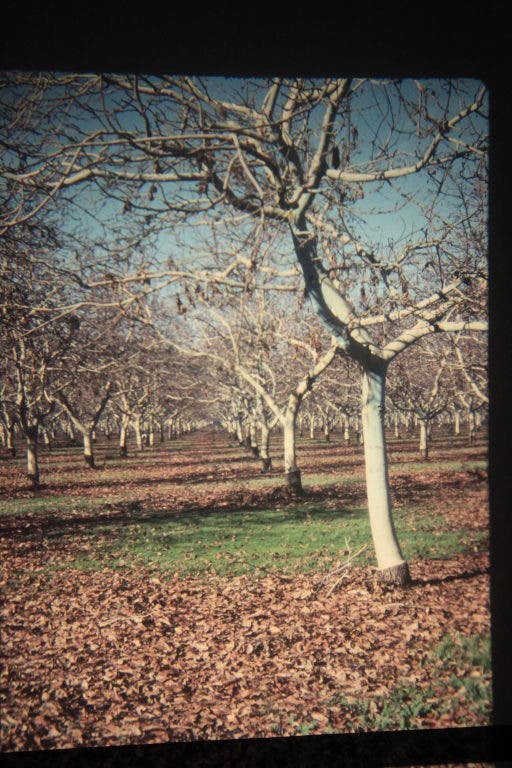
To introduce pruning as a beginning horticulture teacher, I lectured on principles before our actual practice sessions in local orchards. I thought I could just introduce the pruning theory students needed to know and then have them turn conceptual understanding into orchard practice. I spent days describing how to train new trees, listing rules for pruning mature trees, and explaining the growth responses to pruning cuts. I drew ideal branching patterns of perfectly trained trees. But even with all my descriptions and detailed chalkboard sketches of properly trimmed branches, my students hesitated and appeared unsure of themselves as they looked anxiously at the leafless deciduous fruit trees looming over them, pruning shears hanging at their sides.
I realized concepts discussed in the classroom did not necessarily inspire confidence in beginners. They needed to learn by doing and grow in their confidence by actually pruning trees and, of course, making mistakes. My challenge was getting them to make those first cuts without thinking they would permanently damage the tree.
Pruning controls tree vigor and fruit production. It need not be a stressful skill to learn. I developed rules for first-time fruit tree pruners which came to me in the orchards as I heard myself encouraging students to make their first pruning cuts. First-time pruners were to use the following rule to dismiss any concern that pruning seriously injures the tree.
Find out what's happening in Ramonafor free with the latest updates from Patch.
Pruning Rule # 1:
Once performed, no pruning cut is a mistake.
Find out what's happening in Ramonafor free with the latest updates from Patch.
Once they made a cut they were encouraged to move onto the next branch without worrying about the last cut just made. Only one group of students took rule #1 to its limits of empowerment during one winter session. I had taken thirty high school horticulture students to a small orchard of deciduous fruit trees to practice pruning. The students were working in several small groups; each group assigned to a tree. The group farthest away from me was pruning the oldest and healthiest apricot tree very near the main house. They quickly decided upon their course of action and confidently removed a large limb from this mature and productive apricot tree. At this point, I was regretting coming up with my first rule and stunned that it had not occurred to me to tell the students that they did not have permission to remove major limbs without consulting me.
I had designed rule #1 for timid handlers of loppers, not for eager users of pruning saws. Also, I had not yet introduced any aesthetic considerations pertinent to pruning fruit trees in landscapes surrounding homes. Assuming the worst, I quickly approached the group to do damage control. They immediately saw the concern on my face and reminded me of my first rule, "There's no such thing as a mistake". Fortunately, after talking to them and observing their work, I realized they correctly determined the limb should be removed. It was too low to the ground and being shaded out by other limbs. That morning I was very relieved that, even with overly enthusiastic teenagers, rule #1 held true. I noticed, however, the vast majority of my students continued to hesitate to prune branches. I understood that rule #1 reassured pruners after they had made a cut but it did nothing to give them confidence to begin the cut.
Inexperienced students, hesitant to select branches to shear, when faced with several choices, needed reassurance to go ahead and make a cut. They needed confidence in their ability to decide which limb to cut off or trim. So, I developed rule #2:
When in doubt, cut it out.
Usually, the students were able to narrow their choices to one of two branches to remove but were still reluctant to decide which branch to cut off. When I prune, I can choose which branches to keep based on their position, vigor, and orientation. When I have narrowed my choices to two branches they are, more often than not, equally good choices to keep.
Novice pruners can’t relax or trust themselves when they reach this point in the decision-making process. They can’t prune with confidence and hesitate to act. I devised rule #2 because, by repeating it to themselves, students might gain a small amount of confidence to proceed and they would at least realize that I was not going to berate them for making what they feared was a potentially terrible choice.
Another horticulturist noticed this hesitancy in my adult horticulture students but suggested a different remedy. On a Saturday morning, I had taken my evening horticulture class of adults to a winery in the San Pasqual Valley to practice pruning on expertly trained grapevines. The vineyard manager gave a masterful demonstration on the first vine and then asked the group to continue pruning the vines along that row. Immediately he noticed the students' reluctance to make pruning cuts on his grapevines. To my surprise, he jokingly suggested that they should leave the pruning for later and follow him to the winery to sample wines before continuing to prune. The vineyard manager was indirectly telling these adult learners that they needed to be less inhibited while learning to prune grapevines.
He was accustomed to watching his vineyard crew rapidly prune thousands of grapevines, requiring the removal of 90% of last season’s growth. He was not accustomed to hesitant pruners who took minutes deciding which canes to remove and which spurs to leave. He prescribed wine to help my adult students relax as well as, perhaps, to encourage sales. Students of pruning may not make the most rapid or best decisions, but they will learn and gain experience from any decision they make, especially if they study the results of their cuts throughout the following season. If you make a pruning cut, even when in doubt, the doubt eventually turns to sureness with each additional pruning experience.
I am no longer teaching high school horticulture classes. When I do go to orchards it is to give advice to growers and homeowners or to prune trees myself. As I prune, I sometimes think of my former students and hope they remember the steps to becoming confident pruners: study and follow basic principles, gain confidence through practice, and reflect upon the results of prior decisions. I wonder if they apply these steps in other aspects of their lives.