Health & Fitness
Ramona's Heritage Herd Has Second Foal Arrive April 15 [Blog]
The second foal of 2013 has arrived! Looks like another filly.
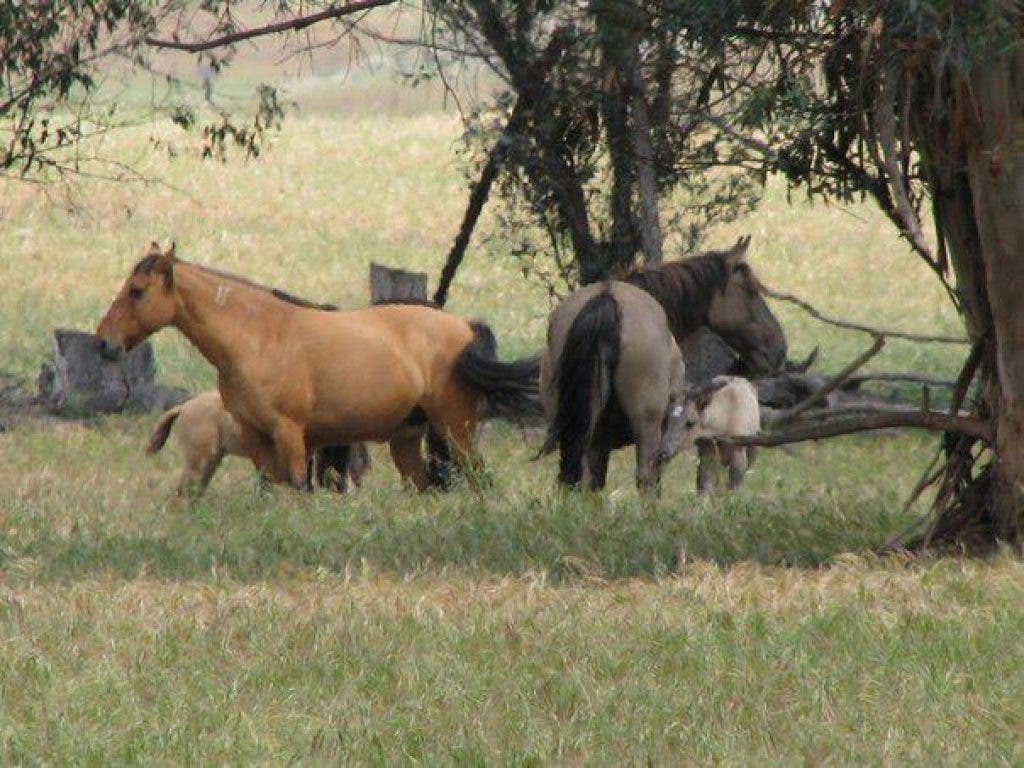


Ramona's original horses have another new arrival! Born on the morning of April 15th this foal was sired by Juan, the Mare, Sombre, gave birth to the gorgeous grulla filly. The stripes on her legs are well pronounced! Mother and foal joined the herd quickly and ran through the fields where they are temporarily staing in the morning sun.
More foals are expected over the coming weeks and excitement is building for those arrivals!
Coyote Canyon Heriatge Herd are decendants of San Diego's original horse herd and efforts are being made to re establish our heritage and place the horses back in the wild where they belong. Roger Hedgecock has been out to investigate and report on our horses and the series he's created can be seen at http://www.utsandiego.com/video/play/52339/ or visit the Herd website for more information and photos at www.heritageherd.com and to see all three segmants of Roger Hedgecocks report.
Find out what's happening in Ramonafor free with the latest updates from Patch.
Also NAME THE FOAL is available! Be the one person to name the first foal of 2013. For a $25 donation you can submit your entry via the Herd web site and if chosen you will receive a beautiful photograph by Cindy Hedgecock!
More photos will be added as we are able to obtain them so stay tuned!
Find out what's happening in Ramonafor free with the latest updates from Patch.
This Heritage herd are icons of our unique local cultural evolution from Spanish occupation, Native American Ranching, and Pioneering western settlement. The last herd of Southern California wild horses were removed in 2003 by a management plan oversight....Rising above the Canyon, the Beauty Mountain ranges are subject to a Herd Area revision to provide the herd with permanent home.
Only four stallions remain from of this herd and are being "fostered" in captivity by Coyote Canyon Caballos D'Anza (CCCDA) near Warner Springs. Our vision is to return them to their natural, free-roaming ranges and restore their genetic viability for future generations