Business & Tech
Letting Wines Breathe
Aeration devices, decanting or not? Among the experts, there's still a debate.
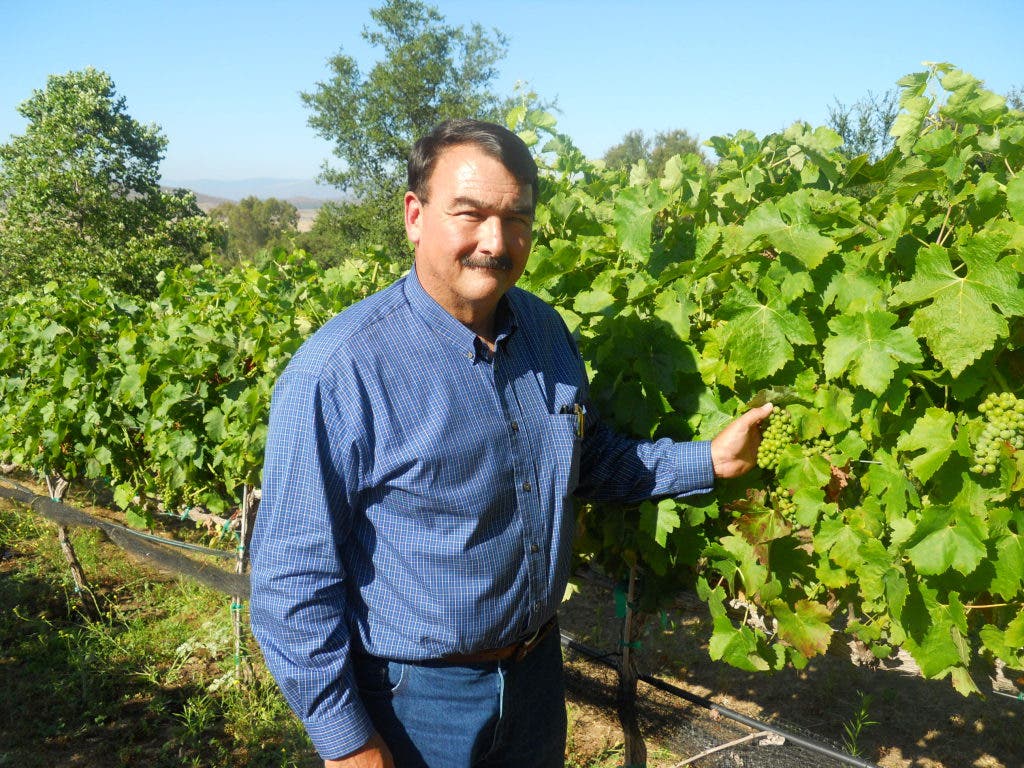
With a burgeoning wine region in Ramona Valley, it’s time to devote some of this column to wine appreciation.
Some of you may have seen a video on Ramona Patch on Aug. 25 showing Jennifer Jenkin pouring wine at her Pamo Valley Winery tasting room. She was pouring a glass of wine using an aerator, something I’ve seen some vintners do, others not.
“When wine is opened, it needs time to breathe,” said Jenkin, in a subsequent interview.
Find out what's happening in Ramonafor free with the latest updates from Patch.
This brings us to our first lesson in wine appreciation: What is meant by wine “breathing?”
Letting wine breathe means letting the wine sit for a while after you’ve opened the bottle. The technical name for it is aeration.
Find out what's happening in Ramonafor free with the latest updates from Patch.
To quote Jenkin, “Exposure to the air allows bouquet, aromas and taste to develop.”
I’ve found most experts believe just uncorking the bottle and letting it aerate that way isn’t enough. There is apparently not enough surface area at the top of the bottle to let adequate amounts of air make contact with the wine.
Traditionally, aeration could be done by decanting the wine, i.e., pouring the entire contents of the bottle into a wine carafe, pitcher or any other tall glass container and letting it sit for a while. Or you could pour out a glass or two and let the individual glasses sit for a while. "A while" can be, according to various experts, anywhere from 20 minutes to an hour or more depending on the particular varietal and vintage.
Domaine Chandon, a longtime Napa vintner, has this to say in its online wine guide: “The most tannic wines actually need several hours to breathe before they’re ready to drink. A young Port that is poured just after breakfast will be just about ready by dinner time.”
That obviously takes patience, and could be problematic if you’re out partying with friends or it’s Valentine’s Day.
Anyway, several years ago, a Carlsbad electrical engineer named Rio Sabadicci invented the Vinturi, a hand-held device that permits instantaneous aeration by the glass. The Vinturi came out in 2006. Other companies have produced variations on it. The gist of it is that pouring wine into a glass through this device accomplishes the necessary aeration.
“I firmly believe that using an aerator is the equivalent of decanting the wine for up to an hour,” said Jenkin. “Aeration softens tannins, which takes away bitterness.”
Jenkin said she has done tasting comparisons and swears by the aerator, which she sells in her tasting room’s gift shop.
“We like to demo the difference here,” she said. “It’s an educational experience for our customers.”
“We only use it for the reds,” said Jenkin, explaining that white wines don’t have the tannins red wines do.
On the other hand, Dennis Grimes, co-owner of Eagles Nest Winery & Cottage, says he doesn’t use aerators.
“Younger wines may benefit from it,” Grimes said. “Beaujolais, for example, has an edge to it,” and could use aerating. “We never release our reds until they’ve had at least two years barrel aging.”
“There are a lot of opinions on the subject,” said Grimes, who referred me to his blog, www.winetastingsandiego.com . There he makes the argument that modern day wine making technology has made aeration unnecessary, at least in the opinion of some wine experts. At the same time, he says, “Many other experts support the position that decanting red wines adds to the visual display and presentation of the wine, and is encouraged and beneficial to the quality of the wine experience.”
We invite other vintners and wine drinkers out there to let Patch know what you think. In the meantime, Cheers!