Politics & Government
Gas Co. Retrofitting High-Pressure Line on 190th Street
The utility company wants to assure residents that it is on top of maintenance work and safety checks on pipelines in Redondo.
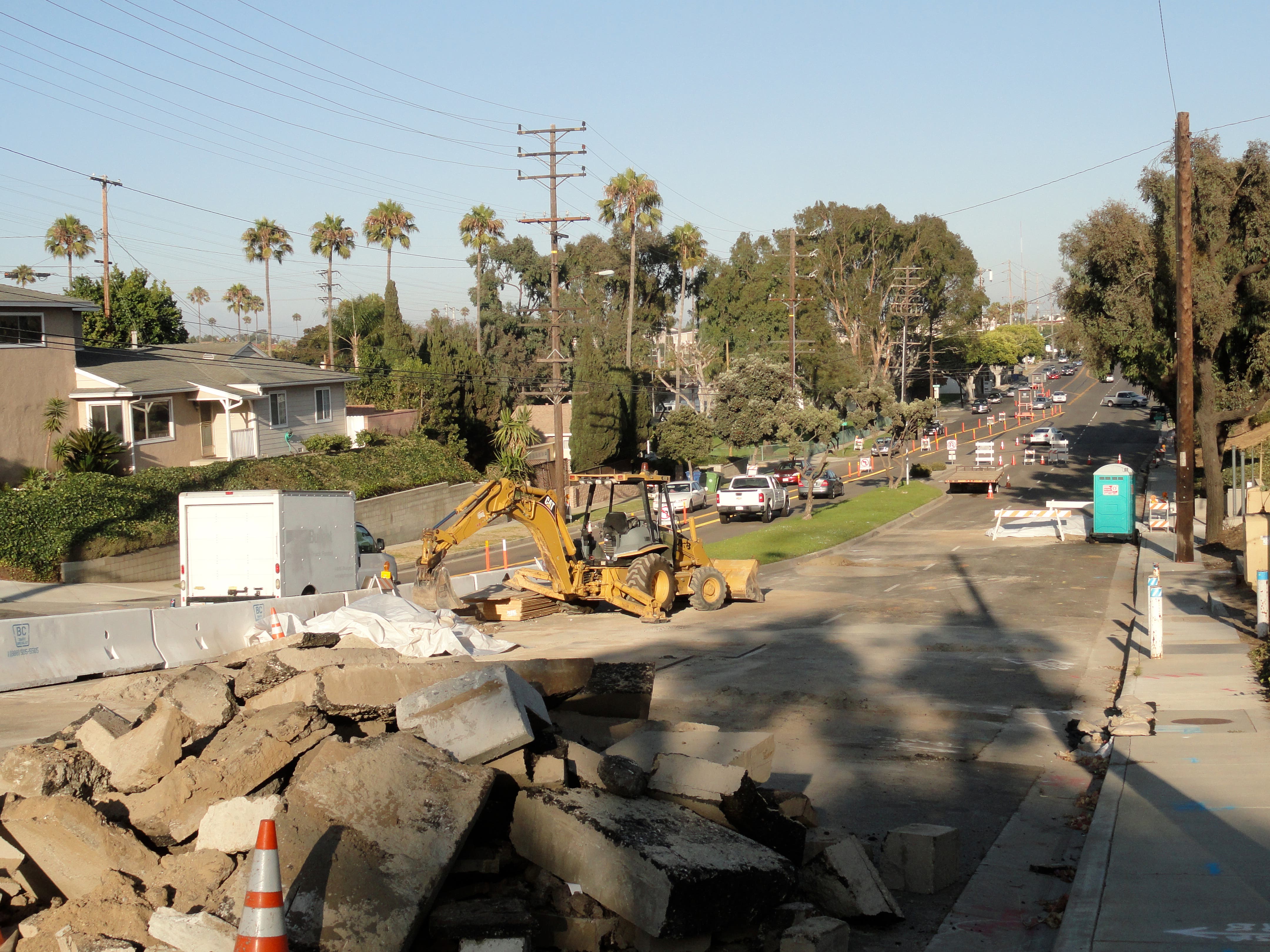


By coincidence, Southern California Gas Co. launched a pipeline retrofit project in Redondo on Sept. 9, the same day as the San Bruno explosion. The federally mandated project, expected to continue through the end of the year, is intended to make transmission more efficient.
The Pipeline and Hazardous Materials Safety Administration requires all gas transmission pipelines in high consequence areas, especially high-pressure pipelines like the one along 190th Street in Redondo, to be inspected at least once every seven years. Gas Co. Public Affairs Manager Marcella Low said the pipeline was last worked on less than seven years ago, but the team was back before the stipulated time to make the transmission line more efficient.
"A lot of the work in the beginning of the project is retrofit work that allows us to run testing equipment called 'pigs' along the pipelines. This helps us take diagnostics so we can review them and look for corrosion and leaks and do follow-up work if needed," she said.
Find out what's happening in Redondo Beachfor free with the latest updates from Patch.
Low said the team would do its best to finish the project before the holidays so as to cause minimal disturbance in traffic. The stretch of 190th between Green Lane and Blossom Lane has been reduced to one lane in both directions because of the project.
Residents in the area have been advised that they may notice increased noise and vibrations from the work. The Gas Co. apologized for the traffic delays and occasional gas odors they might smell.
Find out what's happening in Redondo Beachfor free with the latest updates from Patch.
According to Gas Co. spokesman Raul Gordillo, pipelines in populated areas are patrolled four times a year, and leak surveys are done at least twice a year. "The safety of our community is the top priority of the Gas Co. We have about 5,000 employees trained and ready to respond when we receive calls from customers regarding gas leaks," he said.
The oldest pipes in the company's gas system date to the 1950s and 1960s. But Gordillo said if a pipe is old, it does not necessarily mean it is damaged. "A number of factors determine damage: the way the pipeline is operated, its operating history and the environment around the pipeline," he explained.
Most of the damage to pipes comes from third parties, such as contractors putting in water and sewer lines and accidentally hitting the pipes, he said. Last year the company reported about 3,000 such incidents that required repair.
The company has a pipeline integrity program that addresses the overall condition of the facilities, and ensures compliance with pipeline safety regulations.
The company is regulated by the California Public Utilities Commission, and works with the commission's safety team to perform annual inspections of pipelines and facilities and audit the maintenance records and operations.
In 2010, the company expects to spend about $77 million as part of the pipeline integrity program, Gordillo said. Since 2003, it has invested about $300 million as part of this program.
"We take safety very seriously, and our priority is to make sure our pipelines are safe and in good condition to operate," he said.
"We may live in earthquake country, but while nature can't be controlled, we want our customers to know that when it comes to inspecting pipelines, we exceed state and federal safety regulations," Gordillo said.
For safety tips, see this story.