Home & Garden
Health District Participates in Electric Vehicle Study
Agency drivers are testing the cars as part of an analysis of how to reduce gas emissions in the South Bay.
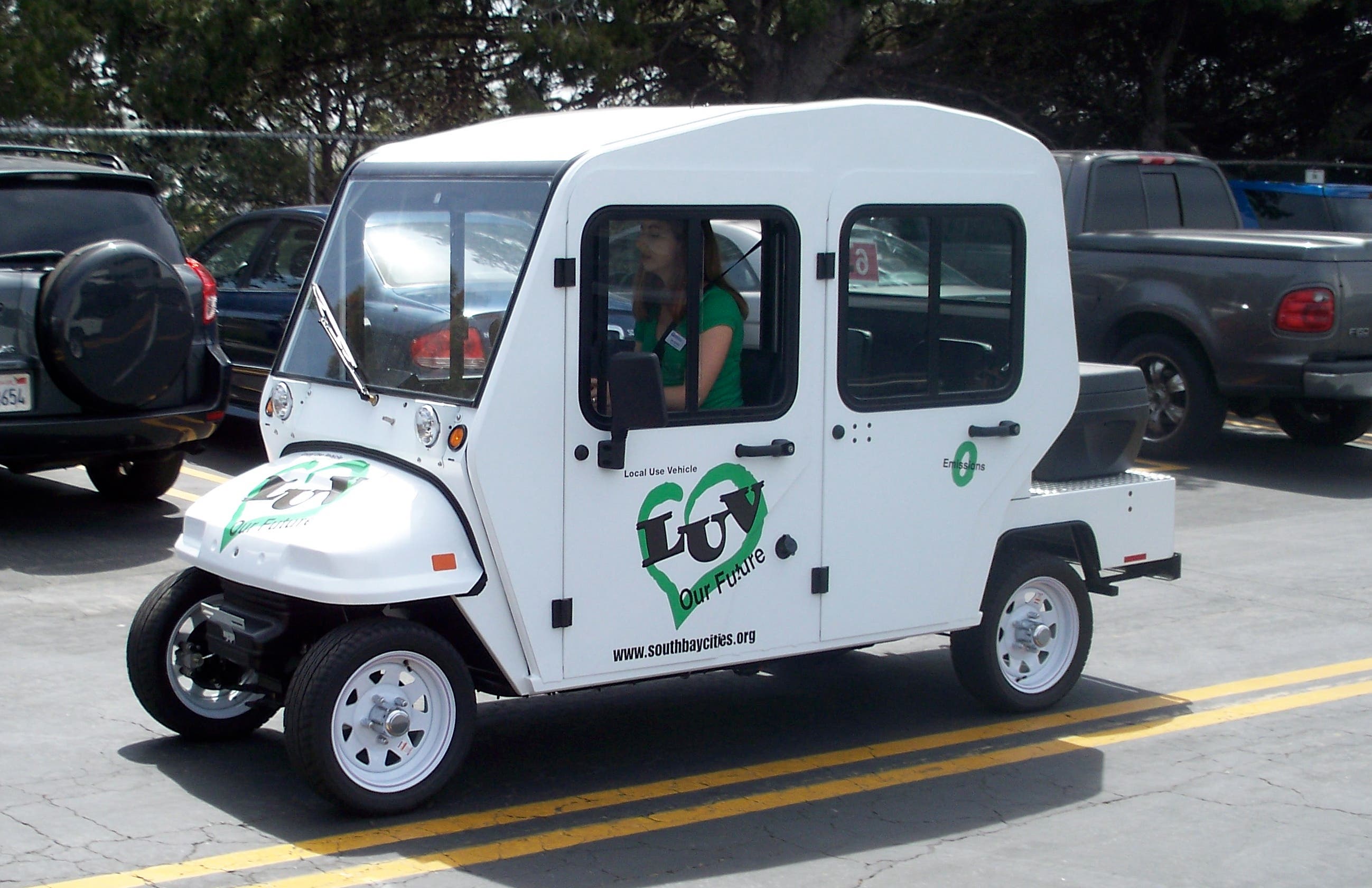


Joy Schmidt works for the Beach Cities Health District. She makes regular visits to homebound seniors in Redondo Beach, Hermosa Beach and Manhattan Beach. But the new electric car she's been driving for the past week forces her to plan those trips more carefully now.
During the last week of April, the health district took possession of two electric vehicles. They're on loan from the South Bay Cities Council of Governments as part of a study to reduce gas emissions in the area.
The local-use vehicles, which are equipped with a GPS tracking system, don't go over 25 mph. Drivers will have to fill out a survey about the car's performance.
Find out what's happening in Redondo Beachfor free with the latest updates from Patch.
"We're only allowed on certain roads, which makes me pretty nervous," Schmidt said.
Jackie Bacharach, executive director of the council, said the study's primary goal is to find an alternative to gas-powered vehicles.
Find out what's happening in Redondo Beachfor free with the latest updates from Patch.
"Let's say gas goes up to $5 per gallon or there's a fuel shortage. What are people in the South Bay going to do?" she said.
Some might say take a bus. However, Bacharach points out that there are not a lot of transit routes in the area. So this local-use vehicle study aims to determine whether and how residents and businesses in the South Bay would make use of a small electric vehicle that can go only 25 miles on a charge.
After one week into the project, Bacharach said the public is starting to take notice. "I've already taken a phone call from someone asking where he could buy one," she said.
If that sort of attention translates into more local-use vehicles on the road this study will help the council plan how to make room for them.
For example, because the local-use vehicles go only 25 mph, they cannot be driven on roads with a speed limit above 35 mph. Using the study's findings, the council may make recommendations to adjust the speed limits on certain streets or to create "modified lanes"—a bike lane that's also large enough to accommodate a local-use vehicle.
Over the course of the next two years the council hopes to rotate the five electric vehicles among several different drivers. The first group to test-drive them includes a family, a real estate agent, a single person and the two vehicles being used by the health district.
Schmidt is an admitted "tree-hugger." She said she's excited to reduce her carbon footprint and to save money. As a part-time worker with the health district she had been traveling about 20 miles per week in her gas-powered car. Switching to the electric vehicle means fewer greenhouse gas emissions, and the district saves money by not having to reimburse her for the mileage she drives.
After three to six months, this first round of drivers will hand over the keys to a next set of testers. Bacharach said she is not certain how this study will turn out, but success won't be measured only by how many electric vehicles are on the road in five years. It is also how people reconsider their driving habit.
"It's changing the way people travel," she said. "We don't have to take an Escalade to get to Ralphs."