Schools
School District Forum Educates Parents on Teen Drug Use
Students are using substances to reduce stress, just as many adults do, experts say.

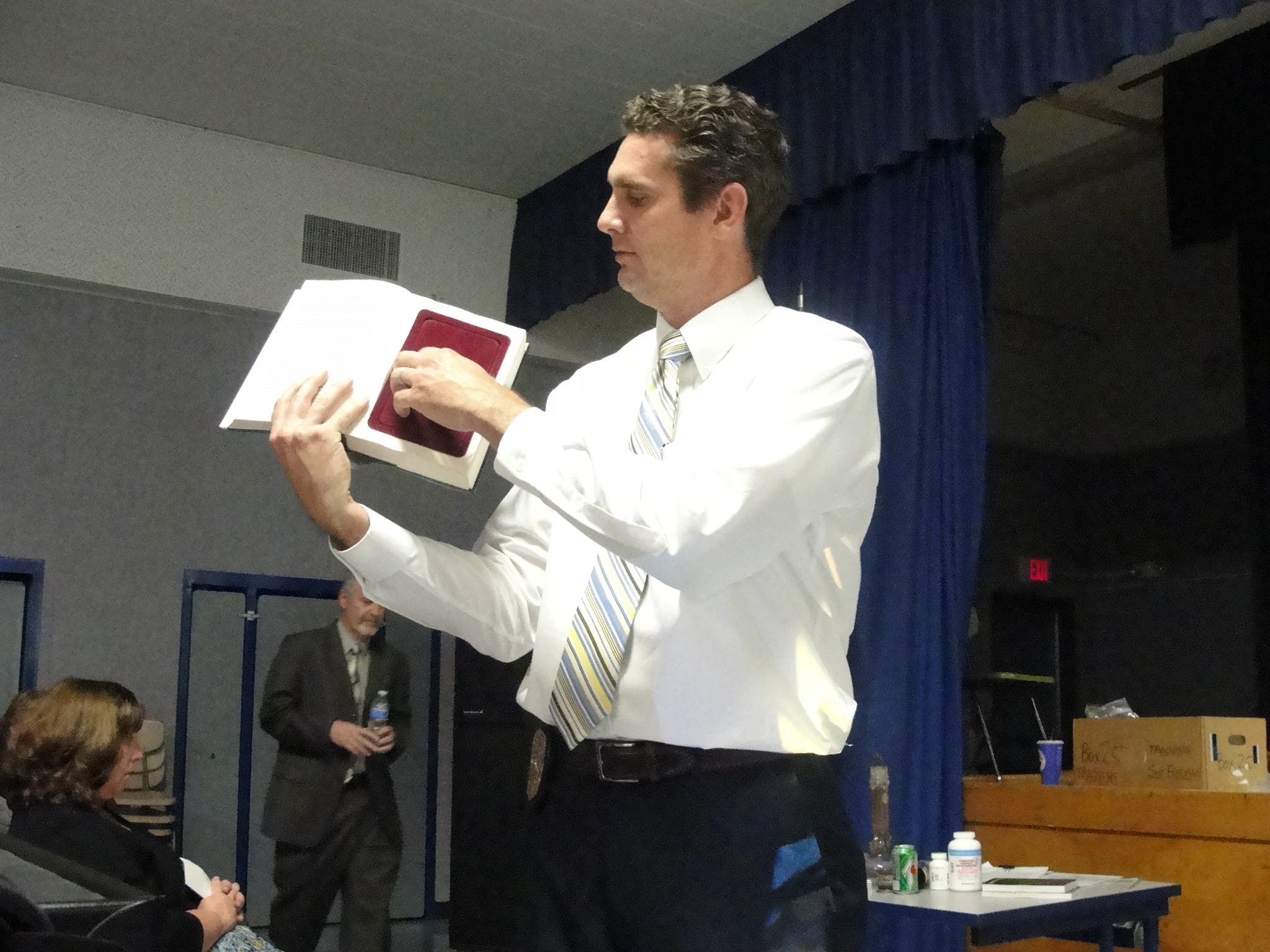
Students in Redondo Beach are tempted by drugs as much as any other teens, experts at a drug prevention forum said Tuesday night.
"Is it bad? It's there. Would I be afraid to send my child to Redondo Beach? No," said Frank DeSena, assistant superintendent of student services at the Redondo Beach Unified School District. "But I think you always have to be aware of it. That's why you're here."
In April a senior at Redondo was arrested on campus and later charged with possession of marijuana for sale. DeSena, a speaker at the drug prevention program for parents, said that 10 middle school students and 31 high school students in the district have been caught with possessing or using controlled substances this school year. Most of those students faced a 5-day suspension.
Find out what's happening in Redondo Beachfor free with the latest updates from Patch.
"It was a surprise as far as knowing what the numbers are, but it was not a surprise that it occurs," said Deborah White-Barela, a mother of a high schooler and a middle schooler. "We have large schools, we have a lot of kids."
White-Barela attended the event at Parras Middle School with her husband Ken to find out about the environment that surrounds their children.
Find out what's happening in Redondo Beachfor free with the latest updates from Patch.
"I think it is unrealistic to expect there will be zero [drug use in school]," she said. "It is really important for parents to educate themselves regarding what's going on."
Ken Barela said that their children are well aware of drug use among their peers.
"Statistics here aren't really different from anywhere else," said Dr. Greg Allen, program director of the Thelma McMillen Center for Chemical Dependency Treatment. "I know nobody likes to hear that, but Redondo, the South Bay, it is pretty similar in terms of what kids are doing, what kids are getting into."
Allen said that parents are usually the last ones to find out about their children's drug use. He also said that a survey held in the South Bay a couple of years ago found that more than 70 percent of the parents said that high school students in general regularly used drugs, but only 8 percent said their own child was a user.
Allen said that teens used to fall into drugs to fit in or to be "cool," but nowadays, they use them to cope with stress, just like adults have a glass of wine to relax at the end of a long day.
"Everybody is looking for ways to slow down," he said.
Redondo Beach Police Department Sgt. Shawn Freeman said that methamphetamine is the most popular stimulant among drug users in the South Bay. Younger students without money to spend sometimes steal prescription pills from their parents or inhale a can of Cool Whip or Lysol in the household to get high, Freeman said.
Last year, the school district started the Drug and Alcohol Community Task Force, which consists of students, parents, community members and police, to increase awareness and reduce substance abuse among teens.
At the forum, DeSena recommended parents register for the "Safe Space Agreement" to provide a drug/alcohol-free home environment so that other parents can find out to which households it's safe to send their kids.
The assistant superintendent also talked about volunteer drug testing, which he plans to ask the board of education to consider implementing.
For about $55 per semester, parents could sign up for random drug testing for their high school kids, but the students would be allowed to refuse to participate. The purpose of the testing, DeSena said, is that it would be up to the parents how to communicate with their children when they refused to take a drug test, and it would also give the students a reason to say no to drugs.
"There is no one thing that solves the problem," he said. "But we did not want to do nothing, so we're looking at taking some steps and hopefully each thing that we do has some impact."
Allen told the audience not to be afraid to be a "pain in the butt." He urged parents to find out whom their children hang out with, to search their room, observe their behaviors, do fun activities and eat a meal together, and most of all, to listen to what kids have to say.
"You need to supervise your kids," he said. "Every kid is different. You've got to find a way to connect with them."
The Thelma McMillen Center for Chemical Dependency Treatment offers free drug testing and consultation. For more information, visit http://www.torrancememorial.org/Clinical_Services/Chemical_Dependency.aspx or call (310) 784-4879.
Information on the Drug and Alcohol Community Task Force can be found at www.rbusd.org/cms/page_view?d=x&piid=&vpid=1254374271685
Get more local news delivered straight to your inbox. Sign up for free Patch newsletters and alerts.