Politics & Government
Will a Native Garden Grow in Herondo Park?
Local officials and volunteers are quietly working to turn the bleak zone into something that looks appealing, and is sustainable.
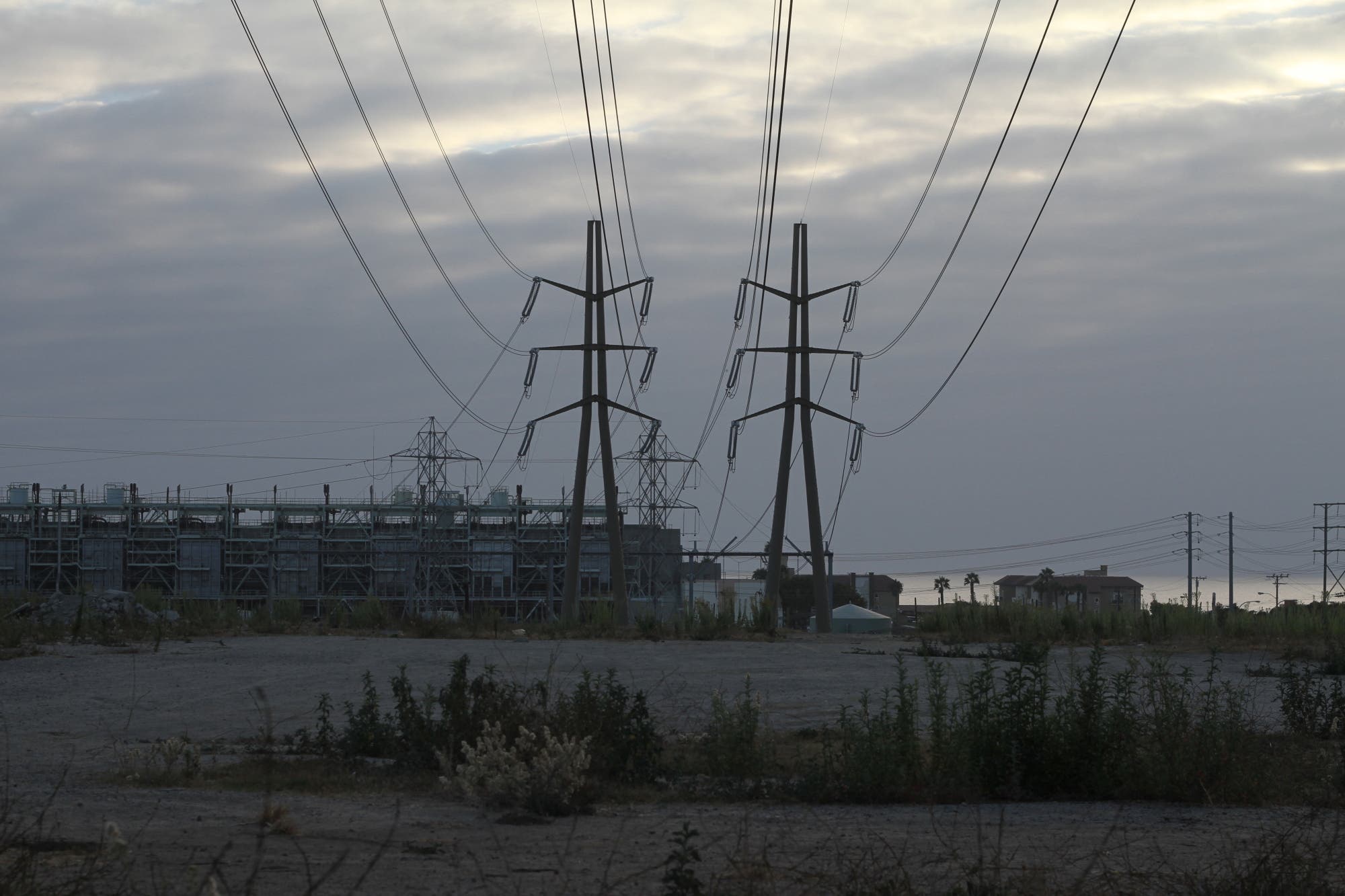


Once upon a time the land surrounding the AES Southland power plant was a natural wetlands. Although the AES plant does not appear to the going anywhere, the unruly patch of land behind the plant may soon be returned to an ocean-friendly native garden.
Local officials are quietly working to bring California native plants back to the area that sits behind the power plant along Herondo Street between Fransisca and Catalina avenues. The plan is to restore that land to what it might have looked like to Native Americans when they gathered salt from a lake in the area.
The Southern California Edison right-of-way property beneath the power lines, known at city hall as Herondo Park, has been untended for so long that residents sometimes roll their eyes at the mere mention of efforts to convert the nearly 5 acres into something other than tall weeds and dirt. There were once plans to turn it into a soccer field as well as a park. In fact, Peter's Garden Center across Pacific Coast Highway installed an underground irrigation system in the 1980s to grow plants there, long enough in the past that the city forgot about it and assumed a brand new irrigation system would have to be installed.
Find out what's happening in Redondo Beachfor free with the latest updates from Patch.
That the old irrigation system may make it possible to turn the land into a native plant garden. According to South Bay Parkland Conservancy Director Jilliane Force, a functional, underground sprinkler system substantially lowers the cost below the $400,00 that the city estimated two years ago it would take to groom the land with hydro-seeded turf.
Force, who is coordinating the effort to make the land into a native plant garden, hopes the lower price tag will bolster the political will to get this project done. The key to making the land sustainable and ocean friendly is to eliminate water runoff and pesticides. That means grass is out.
Find out what's happening in Redondo Beachfor free with the latest updates from Patch.
"Grass takes up so much water," said Force. "That's why we really wanted to go native. We know that natives are more sustainable. They don't take up as much water.
"We really want to stick with California native plants," she added. "We wanted to stay with what would be to the nature of that area."
Force believes that returning the area to native plants will not only beautify the area, cost less to maintain and serve as a model for sustainable landscaping, it will also attract native wildlife.
A few years ago, Force's neighbor found an emaciated and dehydrated bird in her driveway that Force brought to the South Bay Wildlife Rehab, where it was nursed back to health. Force said her experience with the Yellow Bellied Flycatcher served as inspiration to return Herondo Park to its natural state.
A handful of consultants are providing pro bono work to develop preliminary designs for the land. Among them is Tony Baker, who landscaped the native garden next to Beryl Heights Elementary School along Lucia Street, and the grounds of the Madrona Marsh Nature Center building in Torrance.
Baker, an expert on California native plants who has been landscaping for 20 years in the area, believes the Herondo Park area has the potential to be an impressive native plant garden.
"When people put in native plants, a garden really comes alive, especially, say, if you're replacing a lawn," Baker said. "People who are looking to do native gardens are interested in attracting wildlife to their yards, like butterflies and nectaring insects and birds," Baker said. "A lot of people want to make that connection with the natural heritage of the area, which is really cool."
Although Baker believes native gardens are the "wave of the future," he added, "I'm kind of surprised there aren't more people who are interested in it."
Baker said that, for example, the El Segundo Blue Butterfly is naturally drawn to and tuned into the cycle of certain native plants, such as coastal buckwheat. The butterfly lays eggs on the flowers, and then after hatching the tiny caterpillars feeds on the flowers before pupating in the soil. Other native plants provide fragrance, such as the sage brush. Still others provide beauty, such as the sunflower and red bud tree.
Native plants have an inaccurate reputation of looking drab, Baker noted.
Force said plans for the Herondo Park native garden have been refined over the past several months and will continue to be. There isn't going to be a bike path through the park, although people riding bicycles will inevitably ride through the area as they do now. There also won't be any large trees, and Force hopes that some sort of community art work will adorn the land as well.
If the city can hammer out a lease agreement with Southern California Edison over use of the property, Force will start the fundraising efforts for the native garden. Then it will just be a matter of time before the area blooms again.