Neighbor News
Know Your Numbers: Five Key Health Metrics That Could Save Your Life
Monitoring these 5 key health numbers help everyone stay on track for long-term wellness.
From Dr. Columbus Batiste, Cardiologist, Kaiser Permanente Riverside County:
With November being Diabetes Awareness Month, now is a good time to pay closer attention to your health and key metrics that are also important to monitor regularly. We track all kinds of numbers — credit scores, test results, game stats — but the most important numbers are the ones that measure your health. Conditions like heart disease, stroke and diabetes often develop silently. You might feel fine and still have numbers that put you at risk.
The good news? Small, consistent changes can improve these numbers. A more plant-based diet, less salt, more whole grains, fruits and vegetables, along with regular exercise and stress management, create a strong foundation for lifelong health.
Find out what's happening in Riversidefor free with the latest updates from Patch.
It’s a good idea to keep these five key health metrics on your radar and discuss them with your doctor:
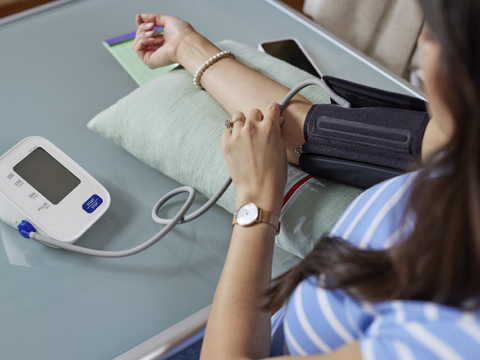
Blood Pressure
Find out what's happening in Riversidefor free with the latest updates from Patch.
Goal: Less than 120/80 mm Hg
High blood pressure strains your heart and increases the risk of stroke, heart attack and kidney disease. Lower it by reducing sodium, eating potassium-rich foods like spinach and bananas, staying active and managing stress.
Blood Sugar (A1c)
Goal: Below 5.7%
A1c reflects your average blood sugar over two to three months. Elevated levels can signal prediabetes or diabetes. To help regulate blood sugar, focus on high-fiber foods such as lentils, chickpeas, barley and non-starchy vegetables like cauliflower and leafy greens.
Cholesterol
Goal: LDL under 100 mg/dL; HDL over 40 mg/dL (men) and 50 mg/dL (women)
LDL, often called “bad” cholesterol, can build up in arteries and increase the risk of heart disease and stroke. HDL, the “good” cholesterol, helps remove LDL from the bloodstream. Improve your profile by choosing healthy fats like nuts, seeds, olive oil and avocados while limiting saturated and trans fats.
Weight
Goal: BMI 18.5–24.9
Weight affects heart health and blood sugar. Even a modest loss can make a difference. Aim for at least 150 minutes of moderate activity each week, such as brisk walking, and enjoy meals filled with vegetables, fruits, whole grains and lean proteins. Limit added sugars and processed foods.
Waist Size
Goal: Under 35 inches (women) and 40 inches (men)
Excess abdominal fat increases the risk of heart disease and diabetes. Cut back on sugary drinks and refined snacks, choose fiber-rich whole foods and keep moving throughout the day by finding simple ways to stay active, including opting for the stairs, stretching between tasks or walking after meals.
Why These Numbers Matter
These metrics provide a snapshot of your overall health — and they’re more connected than you might think. When one number is out of range, others often follow, creating a cycle that can raise your long-term risk for chronic disease.
Habits play just as big a role as numbers. Smoking, for example, can raise blood pressure, lower “good” HDL cholesterol and damage blood vessels. Other lifestyle choices, including food choices, exercise and stress management also have an impact and together help maintain a healthy balance for long-term wellness.
Visit kp.org/centerforhealthyliving to learn more about nurturing a healthy lifestyle.