Community Corner
Traditional Korean Architecture Making Resurgence
The traditional Korean home is influencing current building styles.
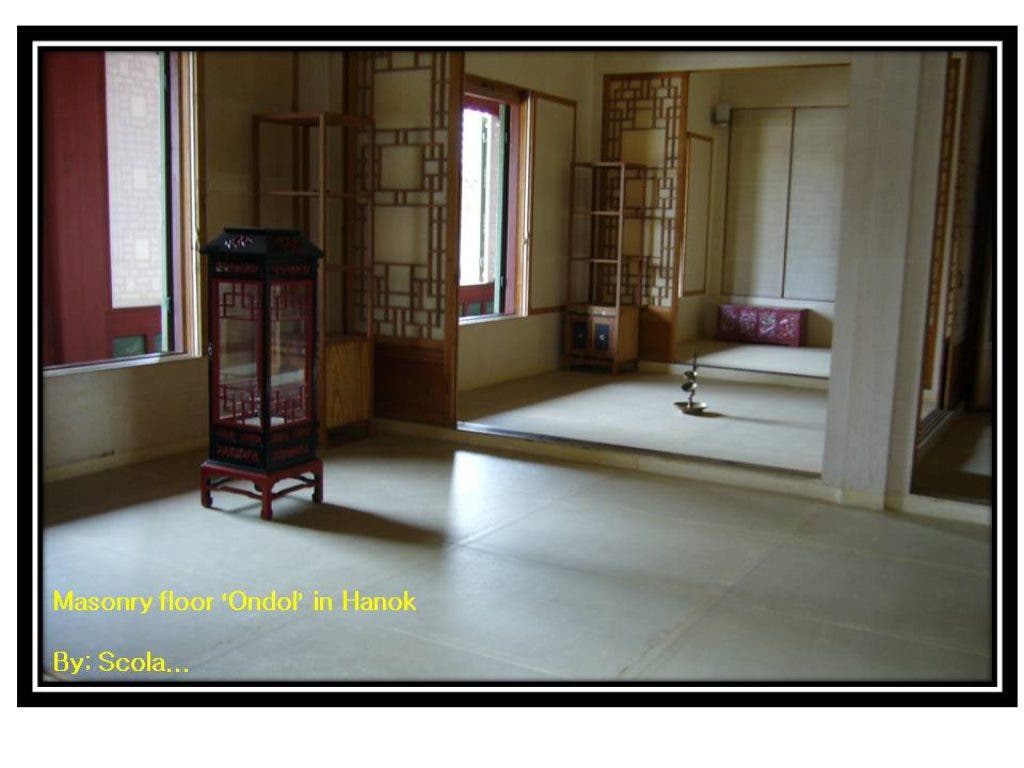


Gluing myself to the cold wooden floor with my boys brought back memories from my youth.
When I walked home from school with my friends in summer afternoon, we couldn’t think of anything but to lie down on the cold floor or gulp down a cold drink. Gushing through the door, exhausted girls were giggling and pushing each other to be the first one to lie down on the cold floor. We would lift our heads and find cups of cold fruit punch. The frigid winter wasn’t much different–just substitute “warm” for “cold.”
The weather influences food, clothing and housing.
Find out what's happening in Rosemontfor free with the latest updates from Patch.
Korea’s scorching summer, severe winter and moderate spring and fall make the Korean traditional house, Hanok, stand out.
Positioning the house is carefully planned in relation to the surroundings with an idea called Baesanimsu, which means the structure should be built with a mountain behind it and a river in front of it.
Find out what's happening in Rosemontfor free with the latest updates from Patch.
The interior of the house needs to harmonize the position and surroundings. The architectural styles have evolved with the change of time and by the region. The colder areas have square-shaped homes, the central region has L-shaped homes and southern part of the country has I-shaped structures. Eco-friendly materials are used to suit the environmentally friendly aspects of Korean culture.
Having a wall-sized window is good for air circulation as well as for the breathtaking views from your porch. Chimneys function not only for heating but to show the craftsmanship of the era. As smoke rose from the chimneys, people would know it’s time for dinner.
One of the most essential parts of the Hanok is the flooring. Masonry-floored rooms called Ondol-bang with a special under-floor heating system kept each room warm if heated and cold in the summer. Wooden floors called Daecheong connect each room and function as a hallway, living room or porch–especially during the hot weather. The under-floor heating and wooden floor worked together as a heating and air conditioning system for the Hanok.
Westernized construction hit the Korean housing market in 1970s. Skyscrapers were taking the place of the Hanok.
But in the past few decades, people have tried to mix the old and new to keep the value of Hanok. Many construction companies are working to put the ideas and materials together to create Korean and Western-styled housing. The plans have drawn lots of interests from the Korean people. Hanok is still being studied and people show strong interest in changing their living styles.
Some Hanoks are kept for the value and open to tourist interests in the city of Seoul. Two tourist attractions, Bukchon Hanok Village and Namsangol Hanok Madang, will let you experience traditional Korean architecture.