Community Corner
Ask an Expert: What is jaundice and why is it a concern?
Do you know why jaundice is a concern for newborns? Get answers on what the signs are, when to worry, and how it's treated.
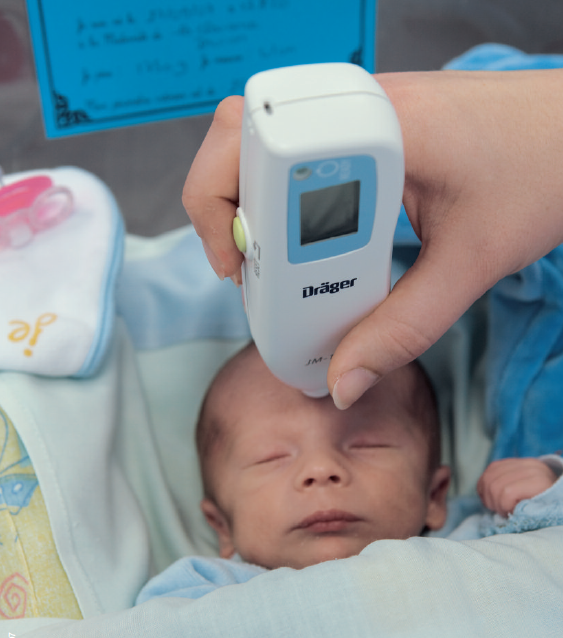
Our resident expert pediatrician, Dr. Jim Makol, weighs-in on jaundice, a common yet potentially concerning condition in newborns if left unmonitored. Read on to learn about what causes jaundice, why it’s a concern, what the signs are, and how it’s treated.
What is jaundice?
Jaundice is a newborn condition marked by yellowing of the skin, and is caused by the build-up of a chemical called bilirubin in the blood. It’s fairly common with more than 25 percent of all healthy, full-term newborns become slightly jaundiced, usually on the third or fourth day of life. In premature babies the incidence of jaundice is higher. It is usually caused by the infant’s liver not being fully developed—not by anything the mother did or didn’t do.
Find out what's happening in Rosevillefor free with the latest updates from Patch.
Why is jaundice a concern?
The concern is that if the baby’s jaundice (bilirubin) levels reach a very high level, it can cause damage to the brain. The good news is that brain injury is very rare and nearly always preventable with careful follow-up and treatment.
Find out what's happening in Rosevillefor free with the latest updates from Patch.
What are the signs?
You may notice a yellow tint to your baby’s skin and eyes after leaving the hospital. Jaundice tends to increase over the first few days, so you should contact your pediatrician right away, or at the first well-baby checkup.
How is jaundice treated?
If some skin yellowness can be seen while your baby is still in the hospital, the staff will measure the level of bilirubin in your baby’s blood. This is done using a handheld device that determines the jaundice level in the skin. If the level is high enough to be of concern, a blood sample will be taken from your baby using a heelstick instrument. They will then instruct you about whether your baby needs to stay in the hospital to monitor the blood levels frequently, or if you can go home and have a follow-up outpatient visit with your pediatrician.
Sometimes the jaundice reaches a level that requires treatment (usually if bilirubin levels are greater than 12 milligrams per deciliter of blood). If that does occur, your baby may be readmitted to the hospital. Your baby will be placed under special light that changes the jaundice pigment so that it can be eliminated from the body through urination. Some hospitals send babies home with a special blanket of lights to treat lesser degrees of jaundice. At least daily or more frequent blood tests will still be required even with home therapy. Once blood levels of bilirubin are reduced to a level no longer concerning to your pediatrician, treatment can stop and no additional monitoring is needed.